
Plants
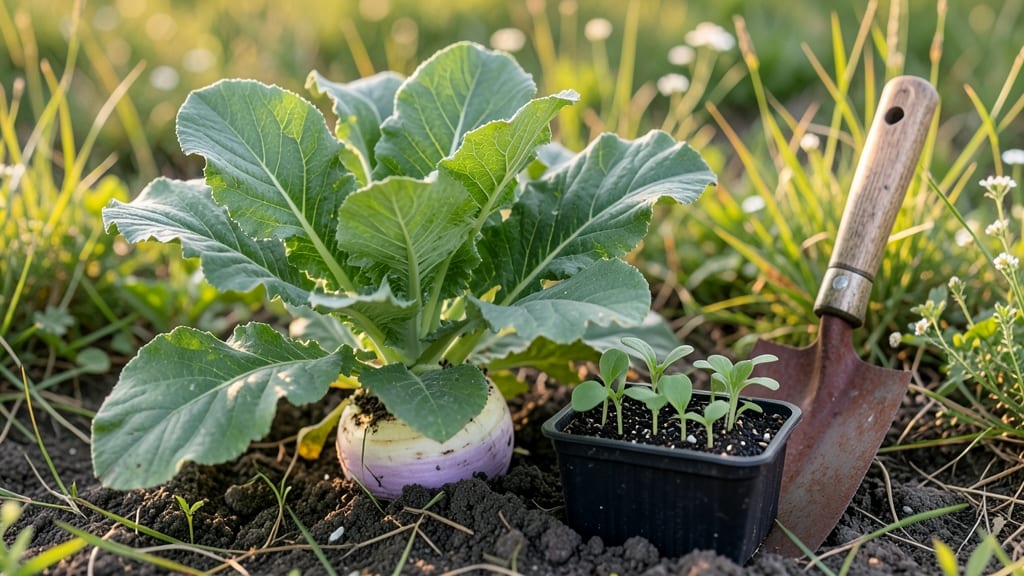
To plant turnips in the fall, aim for 4-6 weeks before your first frost—this window ensures sweet, crisp roots before winter sets in.
Fall turnips are sweeter, crisper, and more flavorful than their spring counterparts—but planting them too early or too late can ruin your harvest. Timing is everything, and missing these zone-specific deadlines could leave you with bitter roots or no harvest at all.
In USDA Zone 6a, that means seeding in early to mid-September for a harvest before hard freezes lock the soil. Warmer zones can stretch planting into October, while colder regions may need to start even earlier.
Below, I’ll break down the exact dates for your zone, how to prep soil for peak growth, and the one trick to salvage late plantings if frost sneaks up sooner than expected.
Fall turnip planting deadlines by USDA Hardiness zones
Fall turnips thrive when planted at the right moment—too early, and they bolt; too late, and frost ruins your harvest. The key is understanding your USDA Hardiness Zone and local frost dates.
Most gardeners aim to plant 4-6 weeks before the first frost, but exact timing varies dramatically from Zone 3 to Zone 10. Northern climates get a shorter window, while southern zones can stretch plantings later into fall.
For example, in Zone 3 (think Minnesota or Maine), you might plant as early as late July but must finish by mid-August to avoid early frosts. Meanwhile, in Zone 10 (Southern California or Florida), you can plant until late October or even November in mild winters.
Regional microclimates—like urban heat islands or coastal moderation—can shift these deadlines by 2-3 weeks, so always check your local frost forecast.
Direct sowing is the preferred method for fall turnips, but transplants work too if started 4-6 weeks before outdoor planting. Seedlings handle transplanting better than many root crops, but they still need consistent moisture to recover.
In cooler zones, start seeds indoors under grow lights 4 weeks before the outdoor deadline to give them a head start.
| USDA Zone | First Frost Date | Ideal Planting Window | Last Chance Date | Notes |
|---|---|---|---|---|
| Zones 3-4 | Mid-September | Late July - Early August | Mid-August | Early frosts; use row covers. Fast varieties only. |
| Zones 5-6 | Late October | Mid-August - Early September | Late September | Standard varieties work well. Succession plant every 2 weeks. |
| Zones 7-8 | Mid-November | Late August - Mid-October | Early November | Longer season; can plant later. Try 'Purple Top White Globe'. |
| Zones 9-10 | December (or none) | September - November | Late November | Mild winters allow late plantings. Use cold-hardy varieties. |
Adjust your planting timeline if your area experiences unpredictable frosts. For instance, mountainous regions in Zone 6 might need to plant by mid-August, while valley areas could wait until early September.
Always monitor soil temperatures—turnip seeds need soil at least 45°F to germinate, but roots develop best when soil stays below 75°F.
Pro tip: Use a garden thermometer to verify soil warmth before planting. In Zone 5, for example, I’ve seen early August plantings fail because the soil was still too warm (80°F+), causing seeds to rot.
Wait until soil cools to 60-70°F for reliable germination. This small check can save your entire crop.
For transplants, time your indoor starts carefully. If you’re in Zone 4 and want to plant outdoors by August 15, start seeds indoors on July 1.
Use biodegradable pots to avoid disturbing roots when transplanting. Harden off seedlings for 7-10 days before moving them outside to prevent shock.
Don’t forget about succession planting—especially in Zones 5-8. Sow new seeds every 2 weeks until 6 weeks before frost to ensure a continuous harvest. This works beautifully for baby turnips (harvested at 1 inch diameter) and greens, which stay tender even as roots mature.
Missed the ideal window? In Zones 7-10, you can sometimes push plantings into November using row covers or cold frames. These protect young plants from light frosts (28°F) and extend the growing season by 3-4 weeks. Just be prepared to harvest before hard freezes hit.
With these zone-specific deadlines, you’ll know exactly when to plant turnips in your area—whether you’re in frigid Zone 3 or mild Zone 10. Mark your calendar, check your frost dates, and get those seeds in the ground at the perfect moment for sweet, crisp fall turnips. 🥕
Signs your fall turnip planting timing is perfect (or wrong)
Getting your fall turnip planting right means watching for soil warmth and daylight shifts. The ideal window is when soil temps hover between 45°F and 85°F—too cold, and seeds won’t germinate; too hot, and roots bolt prematurely.
Check your local frost forecast too, as turnips need 4-6 weeks to mature before the first frost hits.
Daylight plays a sneaky role too. Turnips thrive in shorter fall days (10-12 hours of light), which triggers sweeter root development. If your area still has long summer days, delay planting—your turnips might focus on leafy tops instead of storing energy in those crisp roots.
🌱 5 Signs Your Timing Is Perfect
- Soil temp: 50°F–70°F (use a soil thermometer to confirm). ⚠️ Too cold? Wait until nighttime temps stay above 40°F.
- Daylight: 10–12 hours of sun (check your local sunrise/sunset times). ⚠️ Too long? Delay planting by 1–2 weeks.
- Frost forecast: 4–6 weeks until first frost (verify via Almanac or NOAA). ⚠️ Too soon? Use row covers to extend harvest.
- Seed viability: Test seeds by soaking in water—90%+ float means they’re fresh. ⚠️ Fewer than 80%? Order new seeds.
- Soil prep: Loose, well-draining soil with pH 6.0–7.0. ⚠️ Compacted? Add compost or sand to improve drainage.
Missed the window? Don’t panic. If you planted too early, your turnips might bolt (send up flower stalks) or develop woody roots. To salvage them, harvest the greens first—they’re still edible—and thin remaining plants to give roots more space.
For late plantings, opt for fast-maturing varieties like ‘Tokyo Cross’ (30 days) and use black plastic mulch to warm the soil.
Watch for red flags like yellowing leaves before harvest (sign of overmaturity) or stunted growth (soil too cold). If your area faces early frosts, try succession planting: sow seeds every 2 weeks until 6 weeks before frost for a staggered harvest.
Pro tip: Mark your calendar based on your last frost date—this is your planting deadline’s anchor. For example, if frost hits November 15, plant by October 1. Use a garden journal to track soil temps and daylight changes year after year for foolproof timing.
With the right cues, your fall turnips will reward you with sweet, crisp roots—not bitter or tough ones. Pay attention to the environmental signals, and your garden will thank you at harvest time. 🥕