
Vegetables
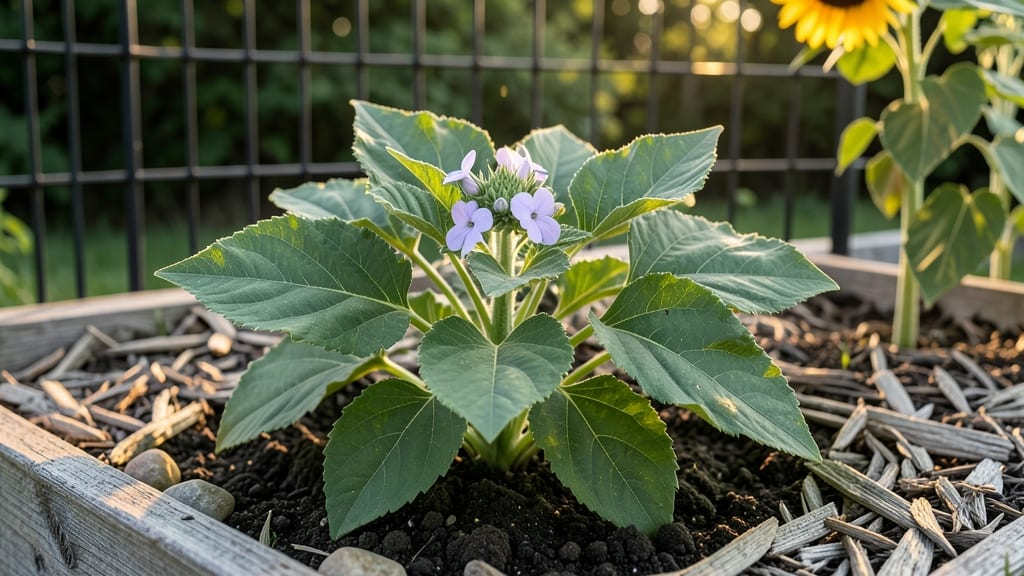
Plant vegetable seeds in Michigan when the soil reaches 50°F and the last frost date has passed—typically between April and May, depending on your USDA zone.
Michigan’s unpredictable spring weather can turn a gardener’s carefully planned seed-starting schedule into a gamble—unless you know the exact frost-free dates and planting zones for your favorite vegetables. One late frost in April can wipe out tender seedlings overnight, while rushing warm-season crops like tomatoes too early risks stunted growth.
This guide breaks down the best planting windows for everything from spinach to peppers, using Michigan’s USDA zones 4-6 as your roadmap. We’ll also cover how to adjust for late frosts, soil temperature delays, and even backup planting dates if Mother Nature throws a curveball.
By the end, you’ll know exactly when to start seeds indoors, when to direct-sow outdoors, and how to stretch your growing season for continuous harvests—no more guessing games in the garden!
Michigan planting zones & frost-free dates by region
Michigan spans USDA Plant Hardiness Zones 4-6, meaning gardeners must account for last frost dates that vary by 10-14 days across the state. Northern regions like Marquette (Zone 4b) face late-May frosts, while southern areas like Detroit (Zone 6a) often see mid-April thaw.
These differences drastically impact when to plant vegetable seeds—especially for heat-loving crops like tomatoes and peppers.
For accurate timing, I rely on the 10-day rule: Wait 10 days after your region’s average last frost before planting warm-season vegetables outdoors. This buffer accounts for unpredictable late frosts, which can still occur in May even in warmer zones.
Cool-season crops like peas and spinach, however, tolerate light frosts and can go in 2-4 weeks before your last frost date.
Here’s how Michigan’s major cities break down for frost-free averages and planting readiness:
To use this data, first check your local frost history—your neighborhood’s microclimate may differ from the city average. For example, Detroit’s urban areas often see soil temperatures rise 2-3°F faster than rural zones due to concrete heat absorption.
I recommend testing soil temps with a soil thermometer—warm-season crops need 60°F+ soil to thrive.
For cool-season vegetables like lettuce and radishes, I plant seeds 4-6 weeks before the last frost date. These hardy crops handle light frosts and even improve in flavor with chilling.
Meanwhile, warm-season favorites (tomatoes, peppers, squash) must wait until after your region’s last frost—no exceptions—or they’ll bolt or rot from cold stress.
Pro tip: Use row covers or cold frames to extend your planting window by 2-3 weeks in cooler zones. I’ve successfully grown spinach and kale into late October using floating row covers, adding 4-6 weeks to my harvest season. Just remove covers when plants flower to allow pollination.
If you’re starting seeds indoors, begin 6-8 weeks before your last frost date for w
Best vegetable seed planting timeline for Michigan gardens
Michigan gardeners know timing is everything—especially when planting vegetable seeds. The average last frost date across the state ranges from May 1-15 in southern regions to May 15-30 in northern areas.
To maximize your harvest, I’ve broken down the best planting windows for cool-season crops like spinach and warm-season favorites like tomatoes, plus succession planting tips to keep your garden productive all season.
Cool-season vegetables thrive in Michigan’s spring and fall when temperatures stay below 75°F. These include leafy greens, peas, and radishes. Warm-season crops like peppers, cucumbers, and eggplants need consistent soil temps above 60°F and can’t tolerate frost.
I’ll show you how to align your planting with Michigan’s USDA zones 4-6 for foolproof results.
| Vegetable | Best Planting Window | Succession Planting | Notes |
|---|---|---|---|
| Spinach | March 20 - April 15 August 1 - September 1 |
Every 2 weeks | Tolerates light frost; harvest before bolting |
| Peas | April 1 - May 10 July 15 - August 1 |
Every 3 weeks | Plant when soil reaches 40°F; trellis for support |
| Lettuce | March 15 - April 30 August 15 - September 15 |
Every 3 weeks | Use shade cloth in summer; harvest young leaves |
| Tomatoes | May 1 - June 1 (after last frost) | None (long season) | Start indoors 6-8 weeks before transplanting |
| Peppers | May 15 - June 15 | None (slow to mature) | Needs warm soil; mulch to retain heat |
| Cucumbers | May 10 - June 10 | Every 2 weeks | Trellis for vining varieties; harvest young |
For cool-season crops, I recommend starting seeds indoors 4-6 weeks before your last frost date. For example, if your frost date is May 10, begin spinach seeds around March 20.
This gives seedlings a head start before transplanting. Succession planting is key for continuous harvests—sow lettuce every 3 weeks from spring to fall to avoid bolting.
Warm-season crops like tomatoes and peppers need patience. I always start them indoors in March and transplant after the soil warms to 60°F (usually late May). Use row covers if early planting is tempting—just remove them before flowering to avoid heat stress.
For cucumbers and beans, direct sow after the last frost for best results.
Extend your harvest by planting fall crops like kale and carrots in August. These thrive in cooler weather and can be harvested until first frost (typically October 15-November 1).
I’ve had success with bush beans planted in early July—they mature just in time for late-summer harvests before cooler temps set in.
Pro tip: Mark your calendar with Michigan’s frost dates and adjust for your specific region. Southern Michigan gardeners can plant earlier, while northern areas should wait until mid-May to avoid frost damage. With this timeline, you’ll enjoy fresh vegetables from spring greens to fall squash all season long! 🌱