
Vegetables
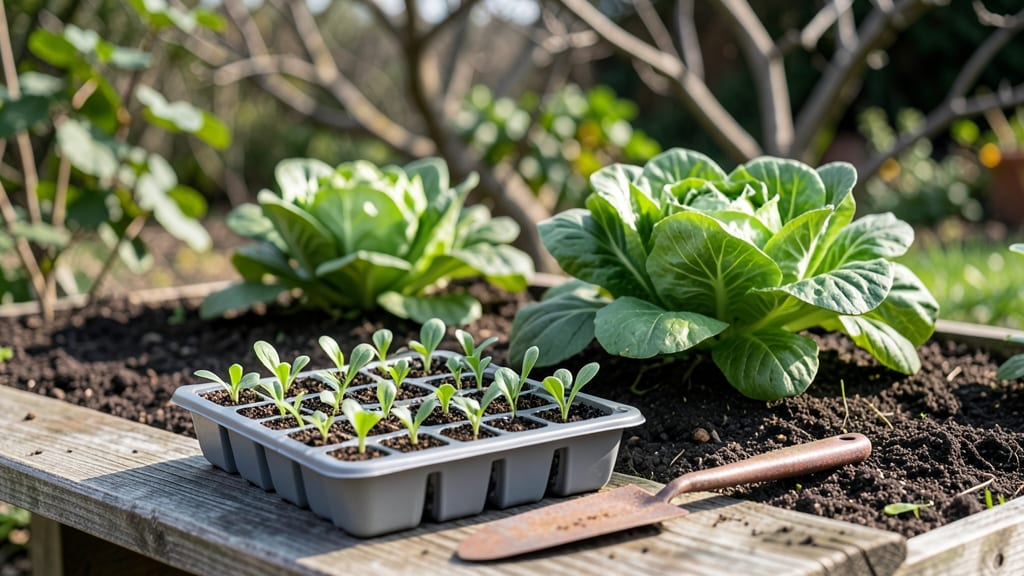
Planting vegetable seeds in Northern California means timing is everything—coastal fog, inland heat, and microclimates that can shift deadlines by weeks.
You could be staring at a frost-killed crop if you plant too early in the Bay Area or miss the summer heat window in Sacramento. The key? Knowing your exact zone and adjusting for elevation, urban heat, and even your backyard’s sun exposure.
Here’s how to pinpoint the perfect planting window for your location, whether you’re growing tomatoes in Zone 8a or lettuce in 9b. We’ll cover frost dates, soil temps, and the best months for each crop—so you avoid the common mistakes that waste seeds and effort.
By the end, you’ll have a customized schedule that turns your Northern California garden into a year-round harvest, not a gamble.
Northern California planting zones: exact seed-sowing deadlines by microclimate
Northern California’s microclimates create planting challenges unlike anywhere else. While Sacramento might be ready for tomatoes by April 15, coastal Marin County could still face frost until May 1. These differences mean the wrong timing can turn your $10 seed packet into a failed experiment.
Let’s break down the exact windows for your zone, including heat-sensitive crops like lettuce and frost-tolerant greens.
First, know your last frost dates—the critical benchmark for all planting. Coastal areas (like Sonoma and San Francisco) average their last frost around March 15–April 1, while inland valleys (like Sacramento and Stockton) warm up 2–4 weeks earlier.
Even within cities, microclimates shift: Berkeley’s urban heat island can push frost dates back by 10 days compared to nearby hills.
Use this comparison table to pinpoint your seed-sowing deadlines by crop and microclimate.
For tomatoes, peppers, and eggplants, wait until soil reaches 60°F+—coastal gardeners should hold off until late April, while inland gardeners can start mid-March. Lettuce and spinach, however, thrive in cooler temps and can go in as early as February in most zones.
| Microclimate | Last Frost Date | Tomatoes/Peppers (Direct Sow) | Lettuce/Spinach (Direct Sow) | Beans/Corn (Direct Sow) | Carrots/Onions (Direct Sow) |
|---|---|---|---|---|---|
| Coastal (Sonoma, Marin) | March 15–April 1 | Late April–May 1 | February–March | May 1–June 1 | February–April |
| Bay Area (SF, Oakland) | March 1–March 15 | April 1–April 15 | February–March | April 15–May 1 | February–March |
| Inland (Sacramento, Stockton) | February 15–March 1 | March 1–March 15 | January–February | March 15–April 1 | January–February |
For heat-sensitive crops like cucumbers and squash, aim to plant them 4–6 weeks before your first expected 90°F+ day. Inland areas (like Sacramento) hit these temps by early June, while coastal zones may not see them until July.
Pro tip: Use shade cloth to extend your growing season for these plants if you’re in a hot microclimate.
If you’re growing winter crops like kale or broccoli, start seeds 8–10 weeks before your first frost. For most of Northern California, this means late August to early September.
Coastal gardeners can push this back to early October due to delayed frost. These crops actually sweeten in cold weather, so don’t rush to harvest them before winter sets in.
One of my biggest mistakes? Planting peppers too early in San Francisco because I assumed the city’s mild reputation applied everywhere. The Mission District can get hot enough by May, but Pacific Heights might still see chilly nights. Always check your specific neighborhood’s frost history—
How to adjust planting times for your specific Northern California location
Northern California’s microclimates can create 100+ day differences in planting deadlines between nearby cities. For example, Berkeley’s coastal fog delays broccoli planting by 2 weeks compared to San Jose’s warmer inland conditions.
Even within San Francisco, Golden Gate Park has cooler nights than Sunnyvale’s urban heat island—meaning your tomato seeds might need a 3-week later start.
To pinpoint your exact planting window, start by checking your last frost date (typically February 15 for most areas, but March 1 in coastal zones). Then adjust based on your local elevation—every 1,000 feet higher adds 3-5 days of chill.
For instance, Sacramento’s valley floor (zone 9b) can plant cucumbers 2 weeks earlier than Lake Tahoe’s mountain slopes (zone 7b).
For precision planting, invest in a $15 soil thermometer—it’s the best way to confirm when your garden soil hits the ideal temperature for seed germination. For example, carrots need 55°F+ soil, while tomatoes thrive at 70°F+.
In San Francisco’s cooler microclimates, you might not reach 70°F until late May, whereas Stockton hits that mark by early April.
Don’t overlook urban heat islands, either. Areas like Downtown Oakland or Berkeley’s Gourmet Ghetto can be 5-8°F warmer than surrounding neighborhoods. This means you can plant heat-sensitive crops like cucumbers or squash 2 weeks earlier in these zones.
Conversely, shady microclimates (like under oak trees) may delay planting by 1-2 weeks.
Pro tip: Keep a gardening journal for 3 years to track your local microclimate patterns. Note when frost hits, how soil warms, and which plants thrive—this data will help you fine-tune future planting schedules with near-perfect accuracy.
For example, you might discover that your backyard’s microclimate lets you plant broccoli 10 days earlier than the USDA zone average. 🌱