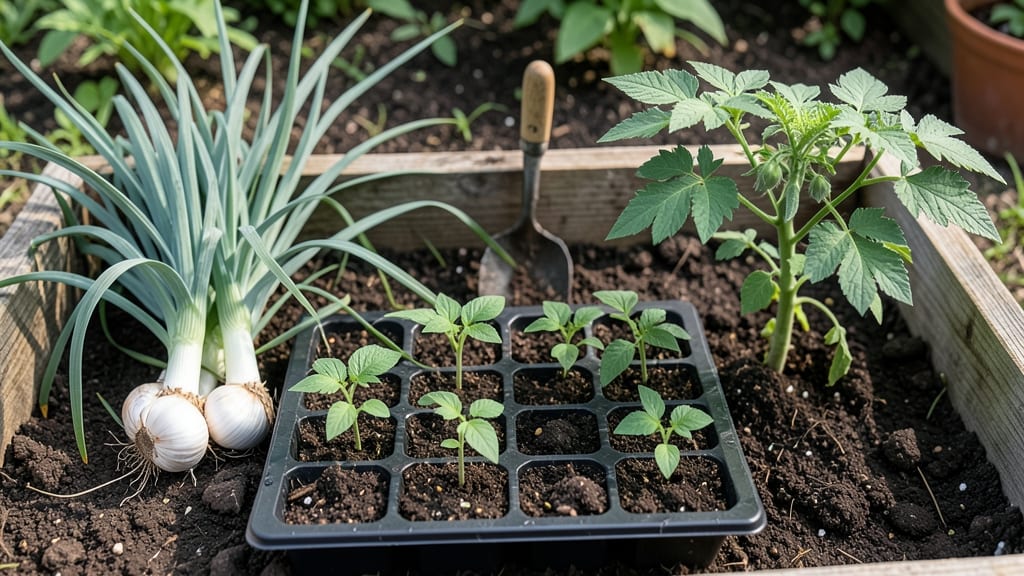
Planting vegetables in Upstate NY at the right time means the difference between a bountiful harvest and a lost season—timing your crops to the 10-year frost averages is the key to success.
Upstate NY’s unpredictable frost dates can make or break your vegetable garden—plant too early and risk losing crops, too late and miss peak harvests. I’ve seen tomatoes bolt in May and lettuce freeze by June, and the frustration of wasted effort is real.
This guide breaks down the exact frost-free windows for your zone, whether you’re in Rochester’s Zone 6 or Syracuse’s Zone 5, so you can align your planting with the weather—not against it.
You’ll learn how to adjust for late frosts, extend seasons with row covers, and pick the perfect varieties for Upstate NY’s short but sweet growing season.
🌱
When to Plant Vegetables
Jan
❄️
Feb
❄️
Mar
🌱
Apr
🌱
May
🌱
Jun
🌱
Jul
☀️
Aug
☀️
Sep
🍂
Oct
🍂
Nov
🍂
Dec
❄️
Upstate NY frost dates and best planting months by vegetable type
Upstate NY gardeners know the struggle—last frost dates can vary by 10-14 days between Albany and Syracuse. On average, expect your final spring frost between May 10-20, while the first fall frost arrives around September 20-October 10.
These dates shape your planting calendar, especially for warm-season crops like tomatoes and peppers that can't tolerate even light frosts.
For cool-season crops such as lettuce and spinach, timing is equally critical. These hardy vegetables thrive when soil temperatures stay below 75°F, making early spring or late summer the ideal windows.
Meanwhile, root vegetables like carrots and beets can handle cooler soils, giving you a longer planting window than leafy greens.
Here’s the key: Adjust for microclimates. Valley areas like Rochester often warm up faster than hilltops, while Syracuse’s lake-effect influence can delay frost. Use these planting guidelines as a baseline, then monitor local forecasts and soil temperatures for precision.
🌱
| Vegetable Type |
USDA Zones 5-6 |
Best Planting Month |
Frost-Free Window |
Notes |
| Warm-Season Crops |
5-6 |
May 15-June 15 |
After last frost (May 10-20) |
Use row covers for early starts |
| Tomatoes |
5-6 |
May 20-June 5 |
120-140 frost-free days |
Start indoors 6-8 weeks early |
| Peppers |
5-6 |
May 25-June 10 |
130-150 frost-free days |
Need warm soil (70°F+) |
| Cool-Season Crops |
5-6 |
March 15-April 30 |
Before soil reaches 75°F |
Succession plant every 2 weeks |
| Lettuce |
5-6 |
March 20-April 15 |
Bolts at 75°F+ |
Shade cloth for summer |
| Spinach |
5-6 |
March 25-April 20 |
Tolerates light frost |
Harvest young for tenderness |
| Root Vegetables |
5-6 |
April 15-June 15 |
Soil temp 50°F+ |
Carrots need loose soil |
| Carrots |
5-6 |
April 15-May 10 |
How to adjust planting times for Upstate NY’s unpredictable weather
Upstate NY’s late spring frosts and early fall chills can throw off even the most experienced gardeners. The average last frost date varies from May 15 in Rochester to May 22 in Albany, but unpredictable swings of 10°F+ in a single week aren’t uncommon.
Instead of guessing, use these season-extending strategies to protect your crops and maximize your growing season.
My top method? Succession planting—sowing seeds in weekly batches ensures a steady harvest. For example, plant lettuce every 10 days from April 15 to June 1 to avoid bolting from heat.
Pair this with heat-tolerant varieties like Romaine or Buttercrunch, which handle 85°F+ temperatures better than delicate leaf lettuce.
1
Use row covers for early spring and fall crops—they raise soil temps by 5-8°F and protect from light frosts. Try floating row covers over spinach or kale planted in April for a 4-week head start.
2
Cold frames extend harvests into November. A simple PVC hoop house with clear plastic can keep greens and root crops growing when temps dip to 25°F. Add straw mulch to insulate soil further.
3
Plant late-season varieties like ‘Cold-Set’ broccoli or ‘Winter Density’ carrots, which thrive in cool fall temps. These varieties are bred to bolster flavor and survive light frosts—perfect for Upstate NY’s shortened growing windows.
4
Monitor soil temperature with a soil thermometer. Most warm-season crops (like tomatoes) need soil at 60°F+ to germinate. In Upstate NY, this often means waiting until late May—even if air temps are mild.
5
Adjust for microclimates. South-facing slopes warm 2-3 days earlier than valleys, while low-lying areas hold frost longer. Use local weather stations (like Cornell’s) to fine-tune your planting schedule.
Don’t overlook hardening off seedlings before transplanting. If you start peppers indoors in March, gradually expose them to outdoor conditions over 10-14 days to avoid shock. I’ve lost entire trays of seedlings by skipping this step—hardening off is non-negotiable in Upstate NY’s volatile spring weather.
For fall planting, aim to sow cool-season crops like radishes or turnips by August 15 to harvest before first frost. Use black plastic mulch to warm soil and straw mulch to insulate roots. This combo can push harvests 3-4 weeks later than unprotected beds.
Pro tip: Keep a gardening journal to track your local frost dates and planting success. Over 3 years, I’ve shifted my tomato planting from May 1 to May 15—cutting losses by 60%. Your data will become your most reliable guide.
★★★★★4.6(7 reviews)
|