
Plants
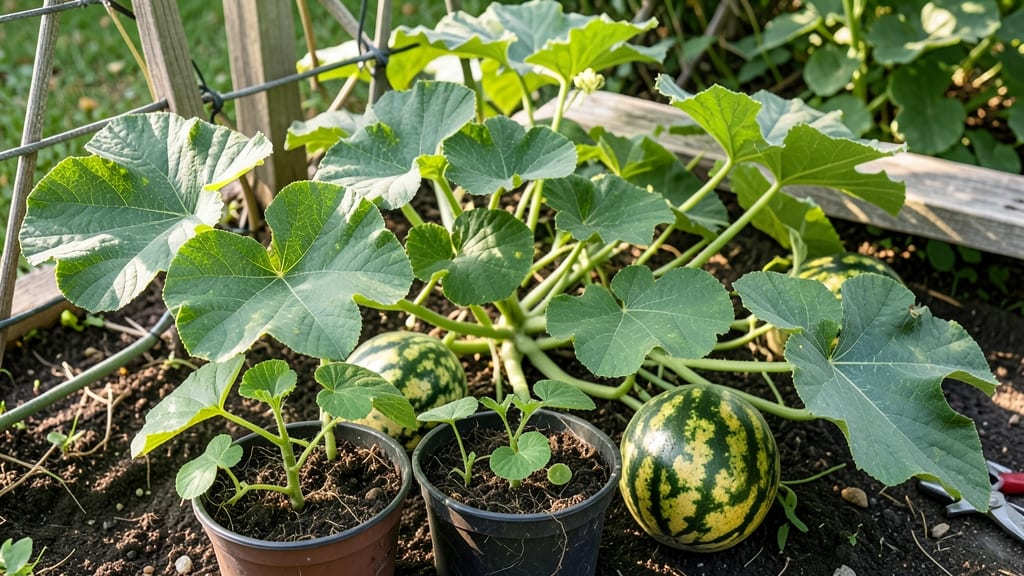
Plant watermelon in Central Texas when soil temperatures hit at least 70°F—typically between late February and mid-April for spring harvests or July–August for fall crops.
If you’ve ever watched your 🍉 seeds rot in cold soil or vines wilt under summer’s brutal heat, you know timing is everything. The difference between a thriving patch and a failed experiment often comes down to waiting for the right conditions—and knowing your last frost date.
Central Texas’ 8a climate means you’ve got two chances: a spring window after mid-March (when nighttime temps stay above 55°F) or a late-summer replant for fall harvests. Both require patience, but the rewards—juicy, homegrown melons—make it worth the wait.
Below, I’ll break down the exact soil temps to aim for, the best varieties for this heat, and how to stretch your growing season with mulch and smart watering. Ready to turn your patch into a melon goldmine?
Central Texas watermelon planting dates based on soil temperature
Getting your watermelon seeds in the ground at the right time in Central Texas is critical—these heat-loving plants need warm soil to thrive. The ideal planting window depends on your local microclimate, with soil temperatures playing the biggest role.
In most areas, wait until the ground reaches 60°F+ for germination and 70°F+ for vigorous growth. Planting too early risks stunted vines, while waiting too long can shorten your harvest window.
Central Texas spans USDA Zone 8a, but temperatures vary between Austin’s cooler hills (often 1-2 weeks later than Waco) and San Antonio’s hotter valleys. The average last frost date hovers around March 15, but soil warms more slowly in elevated areas.
For a successful harvest, aim to plant 4-6 weeks before your first expected heatwave—typically mid-April to early May for spring crops and July to early August for fall harvests.
Here’s the key rule: Never plant watermelon seeds in cold soil. A soil thermometer is your best friend—insert it 2 inches deep in the morning for accurate readings. If your soil hasn’t hit 60°F consistently for 3-5 days, hold off.
Transplants can tolerate slightly cooler soil (55°F+), but direct-sown seeds need warmth to break dormancy. In Waco’s flatlands, soil often reaches 70°F by late March, while Austin’s limestone soils may lag until early April.
| Region | Optimal Planting Window | Soil Temp Threshold | Harvest Window | Key Notes |
|---|---|---|---|---|
| Austin | Late April–Early May | 70°F+ (soil) | July–August | Cooler microclimates; use black plastic mulch |
| Waco | Mid-April–Late April | 65°F+ (soil) | June–July | Faster soil warming; ideal for early varieties |
| San Antonio | Early April–Mid-April | 60°F+ (soil) | June–August | Hotter climate; extend season with fall planting |
| All Regions | July–August (Fall) | 75°F+ (soil) | September–October | Heat-tolerant varieties only; shorter season |
For direct-sown seeds, the soil temperature is your primary guide—wait until it’s consistently 60°F+ at 2-inch depth. In Central Texas, this typically aligns with late April for Austin and mid-April for Waco/San Antonio.
If you’re using transplants (a common practice for fall crops), you can plant 1-2 weeks earlier since young plants tolerate cooler soil slightly better. However, avoid transplanting when nighttime temps dip below 55°F, as this stresses the plants.
One of my biggest mistakes was planting watermelon seeds in early April in Austin—only to watch them rot in the cool, damp soil. Since then, I’ve made it a rule to test soil temperature daily after the last frost.
A simple trick is to press your hand into the soil: if it feels lukewarm (not cold), it’s likely ready. For extra warmth, use black plastic mulch or clear plastic tunnels to raise soil temps by 5-10°F, which can shave 1-2 weeks off your planting timeline.
If you’re aiming for a fall harvest, your window narrows significantly. Plant heat-tolerant varieties like Crimson Sweet or Sugar Baby in late July to early August, when soil temps peak. These varieties mature faster (60-70 days) and can handle 90°F+ heat better than standard types.
In San Antonio’s heat, I’ve even seen success with September plantings, though yields are smaller. Always prioritize soil warmth over calendar dates—a
Frost-free deadlines and last-minute planting strategies for Central Texas
Central Texas gardeners know timing is everything—especially when it comes to watermelon planting. The last frost date typically falls between March 15–April 15, but soil temperatures must also reach 70°F+ for successful germination.
Missing these windows can leave your vines struggling in the heat or frost. The good news? You can still plant for a fall harvest with late-summer strategies.
For spring planting, aim to sow seeds 2–3 weeks after your last frost, once daytime temps consistently stay above 75°F. This usually lands in mid-April for most of Central Texas.
However, if you’re in San Antonio, you might get a head start by late March, while areas like Waco may need to wait until early April.
⚠️ CRITICAL WARNING: Late Planting Risks Planting watermelon seeds too late in spring can lead to poor fruit development before the first fall frost (November 15). If you miss the spring window, your only chance for a harvest is a summer planting (July–August), but this requires heat-tolerant varieties and aggressive watering. Never plant after August 15—vines won’t mature before frost. Use this timeline to avoid common mistakes:
- Spring Planting: April 1–May 15 (harvest June–August)
- Summer Planting: July 1–August 15 (harvest September–October)
- Deadline: No later than August 15 for fall harvests
If you’re considering a fall harvest, start seeds indoors in late June and transplant outdoors by mid-July. Choose fast-maturing varieties like Sugar Baby (70 days) or Crimson Sweet (80 days) to ensure fruit ripens before frost. For extra protection, use black plastic mulch to warm the soil and row covers to extend the season by 2–3 weeks.
Don’t forget to monitor soil moisture during late plantings—summer heat increases evaporation, and watermelons need 1–2 inches of water weekly. Drip irrigation is ideal to keep foliage dry and prevent powdery mildew. Pair this with morning watering to reduce fungal risks and maximize root uptake.
For gardeners in elevated areas (e.g., Hill Country), frost can arrive earlier—sometimes as soon as October 15. Adjust your planting window by 2 weeks earlier and prioritize compact varieties like Charleston Gray, which matures in 75 days.
Always check your local USDA Zone 8a frost maps for precision.
With these strategies, you can squeeze in two watermelon harvests per year—one in summer and one in fall—without risking frost damage. Just remember: soil temperature > air temperature, and late plantings = smaller fruit. Plan ahead, and your vines will thank you with juicy, homegrown watermelons! 🍉