
Plants
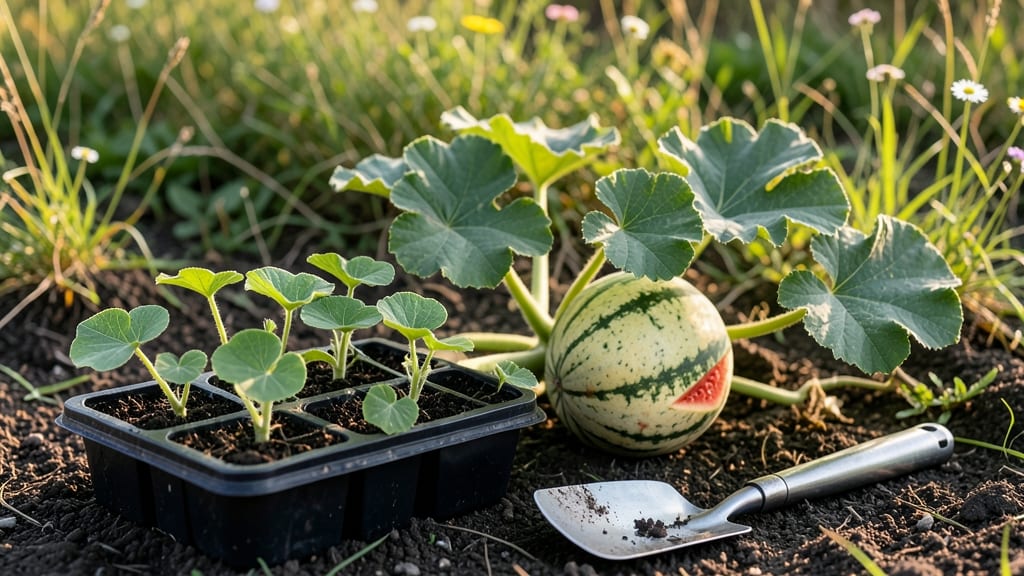
Planting watermelon in Iowa after the last frost—when soil hits 70°F and daytime highs stay above 60°F—is the key to avoiding bitter fruit or wasted seeds.
Iowa’s unpredictable spring weather can make planting watermelon a high-stakes gamble—get it wrong, and you’ll end up with bitter fruit or wasted seeds. But timing it just right means juicy, vine-ripened watermelons by summer’s end.
Most Iowa gardeners wait until late April or early May, but soil temperature matters more than the calendar. A quick check with a soil thermometer (or waiting for 10-14 days after your average last frost) ensures your 🍉 seeds germinate fast and grow strong.
Below, I’ll break down the exact planting window for your Iowa zone (5a-5b), how to adjust for northern vs. southern microclimates, and the one trick that adds 2 extra weeks of growing time.
Iowa’s ideal watermelon planting dates based on soil temperature
Watermelons are heat-loving plants that refuse to thrive in cold soil. In Iowa’s USDA Zones 4a-5b, the difference between a bountiful harvest and a failed crop often comes down to soil temperature—not just air temperature.
Southern Iowa (like Des Moines) can plant weeks earlier than northern areas (like Dubuque), thanks to microclimates and urban heat islands.
For direct-sowing outdoors, wait until the soil temperature reaches a steady 70°F at a depth of 4 inches. A soil thermometer ($10 at garden centers) is your best tool—planting too early when soil is below 60°F risks rotten seeds and stunted vines.
In northern Iowa, this typically means late May, while southern Iowa can start as early as mid-April.
Indoor seed starting is rarely worth it for watermelons—these plants hate transplanting and grow best when direct-sown. If you must start early, use biodegradable pots and harden off seedlings for 10-14 days before setting them out after the last frost. But even then, soil warmth is critical: seedlings won’t thrive until the ground heats up.
| Iowa Region | USDA Zone | Soil Temp Threshold | Typical Planting Window | Harvest Window |
|---|---|---|---|---|
| Southern Iowa (Des Moines, Davenport) | 5a-5b | 70°F+ (4" depth) | Late April–Early May | Late July–Early Sept |
| Central Iowa (Ames, Iowa City) | 5a-5b | 70°F+ (4" depth) | Early–Mid May | Mid July–Mid Sept |
| Northern Iowa (Dubuque, Waterloo) | 4a-4b | 70°F+ (4" depth) | Mid–Late May | Late July–Early Sept |
| All Regions (Indoor Start) | N/A | N/A (use heat mat) | 4–6 weeks before last frost | Same as outdoor |
🌡️ Pro Tip: Use black plastic mulch to warm soil 2–3°F faster and extend your planting window by 1–2 weeks.
Iowa’s last frost dates vary wildly—Des Moines averages April 15, while Dubuque can see frost as late as May 10. But don’t let frost dates fool you: watermelons need heat, not just frost-free soil.
A 50°F night after planting can shock the roots and delay growth by weeks.
For extended seasons, use row covers or black plastic mulch to warm the soil. Plastic mulch can add 5–10°F to soil temperature, letting you plant 2 weeks earlier in northern Iowa.
Just remove covers once vines start running to prevent overheating. In southern Iowa, focus on shade cloth during heatwaves to protect ripe melons from sunscald.
If you’re starting seeds indoors (not recommended but possible), use a heat mat to keep soil at 85–90°F until germination. Transplant only after soil hits 70°F and nights stay above 55°F.
Seedlings grown in cool conditions become leggy and weak, struggling to recover once outdoors. For direct-sown seeds, plant 1 inch deep in hills spaced 3–4
How to calculate your frost-free deadline for Iowa watermelons
Iowa’s last frost dates vary dramatically across regions, but getting them wrong can mean the difference between a bountiful harvest and a sad pile of frozen seeds.
Watermelons (Cucumis melo) need a long, warm growing season—at least 75-90 days—so timing your planting around your local frost-free deadline is critical. Here’s how to calculate yours using Iowa’s climate data and simple adjustments for your specific location.
Start by checking your average last frost date for your Iowa city. For example, Des Moines typically sees its final frost around April 20, while Sioux City in northwest Iowa might not be frost-free until May 5.
Subtract 75-90 days (watermelon’s days to maturity) from this date to determine your planting window. This gives you a baseline, but Iowa’s weather is unpredictable—so always plan for flexibility.
🌱 Pro Tip: Use a soil thermometer to confirm the ground has warmed to at least 70°F before planting. Cold soil slows germination and stunts growth, even if the air feels warm.
In Iowa, this usually aligns with late May for most regions, but early May is possible in southern Iowa with protective measures.
- 1 Find Your Last Frost Date: Check the 10-year average for your Iowa city (see table below). For example, Cedar Rapids averages April 25.
- 2 Subtract Days to Maturity: Most watermelons need 75-90 days. For Cedar Rapids, subtract 80 days from April 25 → June 25 (too late!). Adjust for earlier varieties like 'Sugar Baby' (70 days) or 'Crimson Sweet' (85 days).
- 3 Account for Heat Units: Iowa’s growing degree days (GDD) must reach 1,200-1,500 for watermelons. Use a GDD calculator (like Midwest Regional Climate Center) to verify your location’s heat accumulation.
- 4 Extend the Season: Use black plastic mulch (warms soil by 5-10°F) or row covers to plant 2-3 weeks earlier. Remove covers after vines emerge to avoid overheating.
- 5 Monitor Local Trends: Check your local cooperative extension for recent frost data. For example, Sioux City had a late frost on May 10, 2022, delaying plantings by 2 weeks.
Iowa’s microclimates mean your frost-free deadline might differ from your neighbor’s—even just 10-15 miles away. For example, Dubuque in northeast Iowa often has 10-14 fewer frost-free days than Ottumwa in the south.
To refine your deadline, track your local weather for 3-5 years and adjust your planting date accordingly. Websites like Almanac.com or NOAA’s Climate Data provide historical frost records for precise planning.
If you’re in a northern Iowa county (e.g., Waterloo, Mason City) where frost lingers later, consider starting seeds indoors 3-4 weeks before your target outdoor date. Use biodegradable pots to transplant seedlings without disturbing roots.
For southern Iowa (Burlington, Ottumwa), you can often plant directly outdoors by late April if you’re willing to take the risk of a late frost—just be ready to cover seedlings with frost cloth if temperatures dip below 50°F.
🌡️ Remember: Watermelons are heat-loving plants—if your frost-free season is shorter than 120 days, opt for fast-maturing varieties like 'Black Diamond' (70 days) or 'Tiny Tim' (65 days).
These can squeeze into tight schedules while still delivering sweet, juicy fruit. Pair them with season extenders like low tunnels or cold frames for even better results.