
Plants
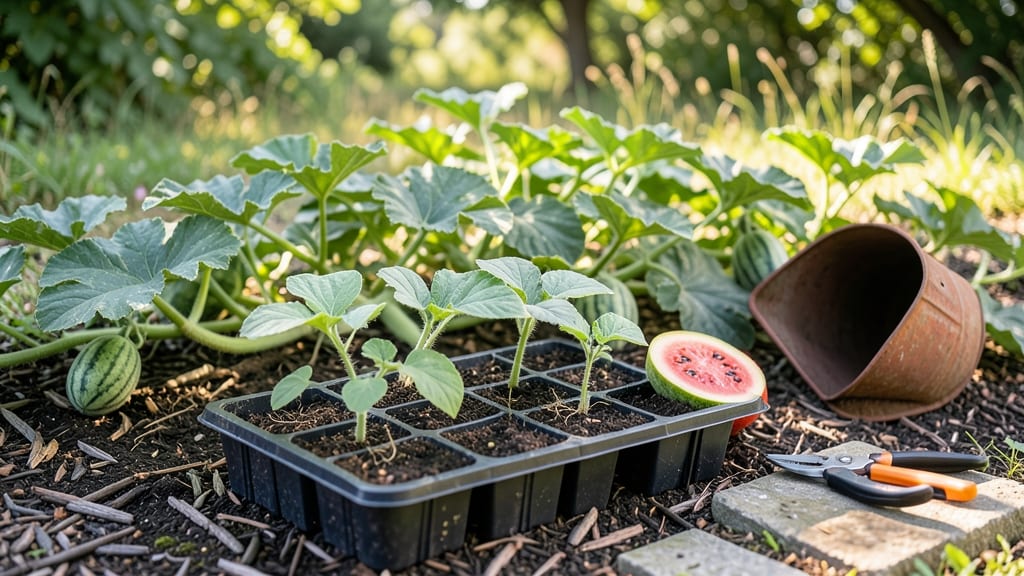
Planting watermelon in North Carolina at the right time means the difference between a juicy summer harvest and wilted vines.
North Carolina’s warm climate makes watermelon a perfect crop—but planting too early or late can mean the difference between juicy harvests and bitter disappointment. Timing is everything, especially when balancing frost risks, soil temperatures, and regional microclimates.
For fast growth, wait until soil temperatures hit at least 70°F—usually mid-April to early May after the last frost. Coastal areas like the Piedmont can start earlier, while mountain regions should hold off until late May to avoid late frosts.
In this guide, I’ll break down the best planting dates by NC zone, soil prep tips, and how to extend your harvest window with mulch and row covers—so you can enjoy homegrown watermelon all summer long.
Best planting dates for watermelon in NC by hardiness zone (5-8)
North Carolina’s diverse climate—from the humid Coastal Plain to the cooler Piedmont—means your watermelon planting dates should align with your specific USDA zone and microclimate. In zones 5-8, timing can make or break your harvest, especially since watermelons need soil temperatures above 70°F to germinate properly.
Planting too early risks frost damage, while waiting too long may shorten your growing season.
For most of NC, the ideal planting window falls between mid-April and early May for spring harvests, with a second chance in late July for fall crops. However, coastal areas like Wilmington (zone 8a) can start 2-3 weeks earlier than the mountains (zone 5b), where frost lingers until mid-April.
Understanding these regional nuances is key to avoiding common pitfalls like poor germination or stunted growth.
Soil temperature is your best indicator—wait until it consistently hits 70°F (21°C) at a 4-inch depth. In NC, this typically aligns with late April to early May in most zones, but coastal areas may reach this threshold 1-2 weeks sooner. Use a soil thermometer to avoid guesswork, as cold soil can delay germination by weeks.
Direct sowing is the preferred method for watermelons in NC, as transplants struggle with root shock and slower establishment. However, in shorter seasons (zones 5-6), starting seeds indoors 2-3 weeks before the last frost can give you a 2-week head start.
Use biodegradable pots to minimize transplant stress when moving seedlings outdoors.
For fall harvests, aim to plant seeds by late July in zones 7-8 to ensure melons mature before the first frost (typically mid-November).
In zone 5, focus on spring planting only, as the shorter growing season limits fall options. Black plastic mulch can extend your window by 1-2 weeks by warming the soil faster.
Regional adjustments matter: Coastal areas benefit from earlier planting due to faster soil warming, while Piedmont zones should wait until mid-April to avoid late frost risks. In zone 8, you can even try a third planting in early June for a late-summer harvest, though yields may be smaller.
Pro tip: Pair your planting dates with heat-tolerant varieties like 'Crimson Sweet' or 'Charleston Gray' for better success in NC’s humid summers. These varieties thrive in 90°F+ temperatures, which are common in zones 7-8. Always space plants 3-4 feet apart to prevent disease spread in crowded conditions.
Monitor your garden closely after planting—yellowing leaves or slow vine growth often signal cool soil or poor drainage. If you notice these issues, add compost or mulch to retain
How to extend your NC watermelon season with smart techniques
Extending your watermelon harvest in North Carolina means strategic planning. With the right techniques, you can enjoy ripe fruit from June through October—or even push into early fall. The key lies in soil warmth, seasonal protection, and heat-tolerant varieties that thrive in NC’s zone 7b/8a climate.
Start by selecting fast-maturing varieties like 'Sugar Baby' (70 days) or 'Crimson Sweet' (80 days). These varieties handle NC’s late-summer heat better than slower growers. Pair them with black plastic mulch to raise soil temperatures by 10-15°F, accelerating germination and growth.
🌱 4 Proven Techniques to Extend Your NC Watermelon Season
- 🔥 Black Plastic Mulch: Lay mulch 2-3 weeks before planting to warm soil to 70°F+. Removes need for row covers in spring.
- 🌡️ Row Covers: Use floating row covers for late-summer plantings (August) to protect from light frosts in zone 7b.
- 🌱 Succession Planting: Sow new seeds every 2 weeks from April to July for staggered harvests. Avoid overcrowding.
- ☀️ Heat-Tolerant Varieties: Choose 'Crimson Sweet' or 'Sugar Baby'—both resist NC’s 90°F+ heat and humidity better than standard types.
For late-season plantings (July-August), weigh the risks: shorter daylight and cooler nights can delay ripening. In zone 7b/8a, aim for 90-day varieties and use row covers to extend the growing window by 2-3 weeks. Monitor soil moisture closely—drought stress slows fruit development.
Another game-changer? Vertical trellising for bush varieties like 'Black Diamond'. It saves space, improves air circulation (reducing powdery mildew), and makes harvesting easier. Just ensure trellises are 6 feet tall to support sprawling vines.
Finally, harvest strategically: Pick overripe fruit early to signal the plant to produce new ones. In NC’s humid climate, store harvested melons in a shady, dry spot (not the fridge) to preserve sweetness. With these techniques, you’ll enjoy watermelons 3-4 weeks longer than standard plantings.
Pro tip: Keep a planting journal to track which methods work best in your microclimate. Adjust timing yearly based on weather patterns—NC’s unpredictable springs demand flexibility! 🌿