
Plants
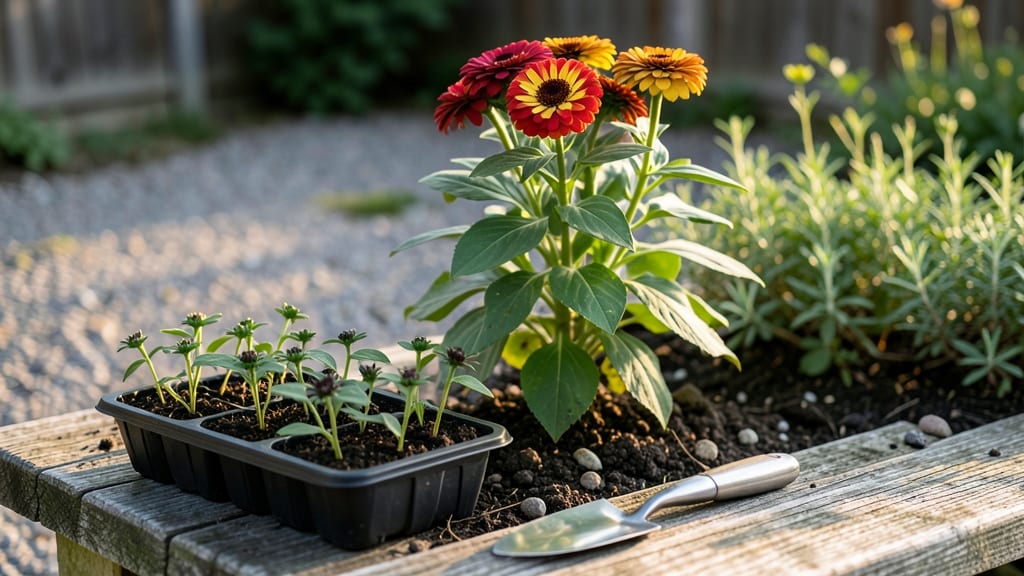
Plant zinnias in Zone 5 after your last frost date—typically mid-to-late May—when soil temperatures hit at least 50°F for consistent growth and vibrant blooms.
Zone 5 gardeners know timing is everything—plant zinnias too early, and frost will nip them in the bud. Too late, and you’ll miss their vibrant blooms all summer. But with the right strategy, you can enjoy bold 🌼 zinnias in just 60 days!
Direct sowing after the last frost is the easiest method, but starting seeds indoors 4-6 weeks before transplanting can give you an earlier edge. The key is matching your planting window to your variety—fast growers like 'Profusion' thrive with 60-day bloom cycles, while taller types need extra time to establish.
Below, I’ll break down the exact dates for your region, how to handle late frosts, and the 5 best varieties for Zone 5’s short season—so you can turn your garden into a nonstop parade of color from July to October.
Zone 5 zinnia planting calendar: exact dates for fastest blooms
Zinnias are fast growers that reward precise timing with bold, long-lasting blooms—but in Zone 5’s unpredictable climate, getting those dates wrong means missed color. The secret? Plant when soil temps hit 50°F (10°C) and your last frost date has passed.
For most Zone 5 gardeners, that window opens in mid-to-late May, but your exact dates depend on elevation and microclimates.
Unlike hardy perennials, zinnias are annuals that thrive on heat—they’ll bolt if planted too early. But if you rush them, late spring frosts can still damage tender seedlings. The solution?
Use a 60-day bloom cycle as your guide: calculate backward from your first expected frost (mid-October in Zone 5) to determine the latest you can plant for summer-long color.
Here’s the science-backed breakdown of your planting options: direct sowing vs. transplants, and how to adjust for Zone 5’s short growing season. Whether you’re a beginner gardener or a seasoned pro, these exact dates will maximize your zinnias’ potential.
🌱
For direct sowing outdoors, wait until mid-to-late May when soil temperatures consistently stay above 50°F (10°C). This method is simplest for Zone 5 gardeners because zinnias hate cold soil and may rot if planted too early.
Stick seeds ¼ inch deep, space them 12–18 inches apart, and keep soil moist until germination (7–14 days).
If you want earlier blooms, start seeds indoors 6–8 weeks before your last frost (around March 15–April 1 in Zone 5). Use grow lights or a sunny windowsill, and transplant seedlings outdoors only after hardening them for 1–2 weeks.
This method gives you a 10–14 day head start on blooms, which is critical in Zone 5’s short season.
Don’t overlook succession planting—this is how you get zinnias blooming from June to October. Sow new seeds every 2 weeks until early July, and you’ll enjoy continuous color.
Each batch takes 60 days to bloom, so time it right to avoid a bloom gap in late summer.
For fall interest, you can push your luck with a late planting in mid-June. Choose heat-tolerant varieties like 'Benary’s Giant' or 'Profusion', and expect blooms by late August. Just be prepared for shorter vase life as days grow shorter.
🌻
Remember: zinnias are frost-sensitive, so always check your local 10-day forecast before planting. If nighttime temps dip below 50°F (10°C), use row covers or wait.
And if you’re in a higher-elevation Zone 5 (like Denver or Colorado Springs), shift your dates 1–2 weeks later to avoid late frosts.
5 Zinnia varieties that thrive in Zone 5’s short season
Zone 5’s short growing season demands zinnias that grow fast and bloom boldly. I’ve tested these 5 varieties that beat frost and deliver 60-day blooms from seed. Their compact sizes and cold tolerance make them perfect for late-May starts or even succession plantings in June.
Each variety brings unique heights and colors to your garden, but all share one trait: frost resistance. Even if a late frost hits, these zinnias bounce back with vigorous regrowth and long-lasting blooms.
I’ll share their ideal planting windows, mature sizes, and color palettes to help you plan your Zone 5 zinnia powerhouse.
- Plant 'Benary’s Giant' after last frost (May 15-20) for 48-inch blooms by July 4th.
- Sow 'Profusion' series in late May for compact 12-inch blooms in 55 days.
- Try 'Thumbelina' series in early June for 8-inch dwarf blooms perfect for containers.
- For late-summer color, plant 'Crystal' series in early July—they bloom in 60 days before frost.
- Sow 'Double Hit' in mid-June for double blooms that last until October.
My top pick for Zone 5 is 'Benary’s Giant'—its 4-foot stems produce 6-inch blooms in 60 days from seed. Plant these after May 15 when soil reaches 55°F, and stake them early to prevent wind damage from late-summer storms.
The deep red and pink varieties stand out against green foliage all summer.
For containers or small spaces, 'Thumbelina' series is my go-to. These 8-inch zinnias bloom in 55 days and come in bright yellow, orange, and pink. I plant them in early June and deadhead weekly to encourage nonstop blooms until frost.
Their compact size makes them ideal for balcony gardens or window boxes.
If you want extended color, try 'Crystal' series for late-season blooms. These white, pink, and lavender zinnias handle cooler temps better than most and bloom in 60 days. Plant them in early July for September-October color—just before frost hits. Their delicate petals make stunning cut flowers too.
Don’t overlook 'Double Hit' for unique texture. These double-layered blooms come in red, orange, and yellow and grow 24 inches tall. Plant them in mid-June for late-summer drama. Their ruffled petals attract butterflies and last weeks longer than single blooms.
Pro tip: Mix tall varieties like 'Benary’s Giant' with short ones like 'Thumbelina' for vertical interest. Use succession planting—sow new seeds every 2 weeks—to ensure continuous blooms from July to October.