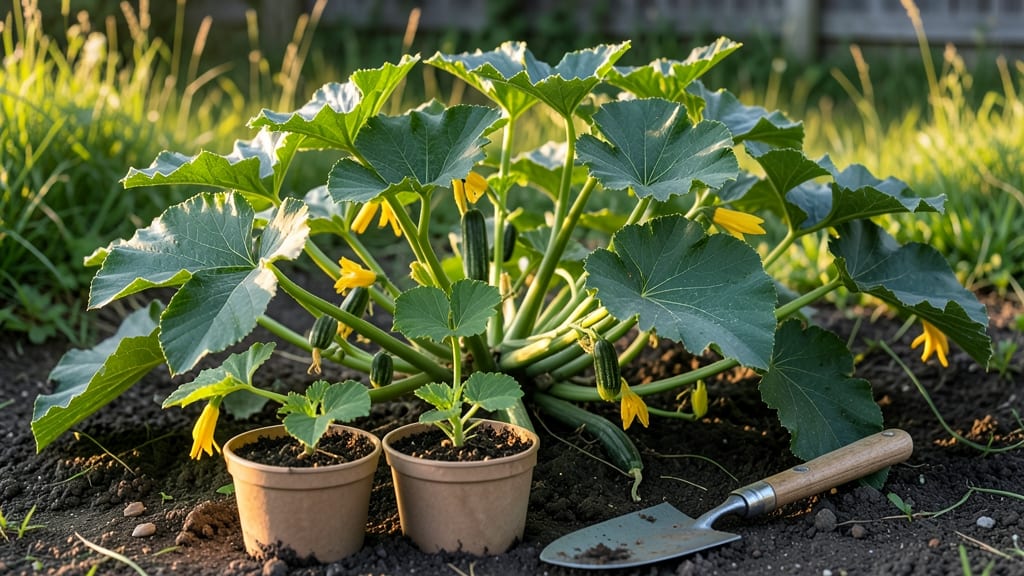
Planting zucchini in Utah after the last frost date—typically mid-April for low elevations and May for higher zones—sets the stage for a fast summer harvest before fall arrives.
Utah’s diverse microclimates—from high desert valleys to alpine foothills—can make or break your zucchini harvest if you plant at the wrong time. Get the exact dates for your zone to ensure fast, bountiful growth before summer’s heat sets in.
Whether you’re in the Wasatch Front’s 5b-7b zones or the cooler high desert, timing is everything. Direct-sow seeds once soil hits 60°F and all frost risk has passed, or start indoors 3-4 weeks before your last frost for a head start.
Below, I’ll break down the ideal planting window by region, how to adjust for Utah’s unpredictable weather, and which fast-growing varieties thrive here—so you can go from seed to harvest in just 50 days.
🎃
When to Plant Zucchini
Jan
❄️
Feb
❄️
Mar
🌱
Apr
🌱
May
🎃
Jun
🎃
Jul
🌱
Aug
☀️
Sep
🍂
Oct
🍂
Nov
🍂
Dec
❄️
Utah’s best zucchini planting dates by microclimate Zone
Utah’s diverse elevations and microclimates create wildly different growing conditions—from the Wasatch Front’s 4,200-foot valleys to high desert plateaus at 7,000 feet.
Zucchini thrives in warm soil and long growing seasons, but planting too early risks frost damage, while late planting may leave you scrambling before first frost in October. Let’s break down the ideal planting windows for Utah’s USDA zones 5b-7b, accounting for elevation and frost-free averages.
Zucchini seeds need soil temperatures above 60°F to germinate, and seedlings won’t tolerate below 50°F nights. Utah’s last spring frost varies dramatically: mid-April in St. George (Zone 8a) but late May in Logan (Zone 6b).
Meanwhile, first fall frost arrives as early as mid-September in Cache Valley and as late as October 15 in southern Utah. This means your harvest window could shrink from 120 days in low deserts to just 90 days in high mountain foothills.
To maximize your zucchini yield, aim to plant when you have at least 100 frost-free days remaining. In Utah, this translates to late April in the southwest (St. George, Cedar City) and mid-to-late May in the north-central regions (Ogden, Provo).
For high-elevation gardens (above 6,000 feet), consider starter plants instead of seeds to shave off critical 2-3 weeks of growth time.
| Zone/Elevation |
Last Frost Date |
Best Planting Window |
Soil Temp Requirement |
Harvest Window |
Notes |
| Zone 8a (St. George, 2,800 ft) |
Mid-April |
Late April–May 15 |
60°F+ |
June–October 15 |
Longest season; direct sow or transplant after April 20. |
| Zone 7b (Salt Lake City, 4,200 ft) |
Late April |
May 1–May 20 |
60°F+ |
July–September 30 |
Use row covers for early starts; succession plant every 2 weeks. |
| Zone 6b (Logan, 5,000 ft) |
Late May |
May 25–June 10 |
60°F+ |
August–September 15 |
Start indoors 4 weeks before last frost; black plastic mulch warms soil faster. |
| Zone 5b (Park City, 6,500 ft) |
June 1 |
June 1–June 15 |
65°F+ (longer to warm) |
August–September 10 |
Shortest season; choose fast-maturing varieties (e.g., ‘Eight Ball’). |
High Desert (7,000+ ft
How to adjust planting for Utah’s unique weather patterns
Utah’s rapid temperature swings and afternoon thunderstorms can challenge even the hardiest gardeners. Zucchini plants, in particular, need consistent moisture and stable warmth to thrive. Without adjustments, your plants might bolt too quickly or struggle with high desert dryness.
The key is preparing your soil, protecting young plants, and watering strategically to match Utah’s unpredictable climate.
Start by testing your soil’s drainage and moisture retention. Utah’s alkaline soils often need compost or aged manure to improve fertility and water-holding capacity. Amend the soil 4-6 weeks before planting to give nutrients time to integrate.
This step is critical because zucchini plants hate soggy roots but also need steady hydration during Utah’s dry spells.
-
1
Mulch heavily with straw or wood chips (3-4 inches) to retain moisture and regulate soil temperature. Utah’s hot afternoons can cause soil to dry out quickly, while cool nights may stress young plants.
-
2
Water deeply in mornings (1-2 inches per week) to avoid fungal diseases from evening moisture. Utah’s humid afternoons create perfect conditions for powdery mildew, so drip irrigation or soaker hoses work best.
-
3
Use shade cloth (30-50%) for young plants during June’s intense sun. Utah’s sudden heat spikes can scorch tender leaves, slowing growth. Remove cloth once plants are established (after 2-3 weeks).
-
4
Plant in raised beds if your soil is rocky or poorly draining. Raised beds warm up faster in spring and hold moisture better during Utah’s dry July-August periods. Add container-grown zucchini for extra flexibility in microclimates.
Another Utah-specific trick is to plant zucchini slightly later in high-elevation areas (like Logan or Park City) where frost lingers until May. Aim for mid-May planting in these zones to avoid early bolting from sudden warmth.
For the Wasatch Front (Salt Lake City area), late April to early May works best, aligning with soil temperatures of 60°F or higher.
Monitor your garden for signs of stress, like yellowing leaves or wilting. In Utah’s climate, these often mean underwatering or overheating. Adjust your watering schedule immediately—zucchini plants can recover quickly if you catch issues early.
For example, if your plants look limp by midday, increase watering to daily until they stabilize.
Finally, consider succession planting every 2-3 weeks through mid-July to extend your harvest. Utah’s first frost typically arrives in mid-October, so staggered plantings ensure a steady supply of fresh zucchini before winter sets in. This strategy also helps you avoid glutting your garden with overripe fruit.
With these adjustments, your zucchini plants will thrive despite Utah’s challenges, giving you a bountiful harvest from July through September. The secret? Proactive care tailored to Utah’s unique weather quirks—not just generic gardening advice. 🌱💧☀️
★★★★★4.7(6 reviews)
|