
Plants
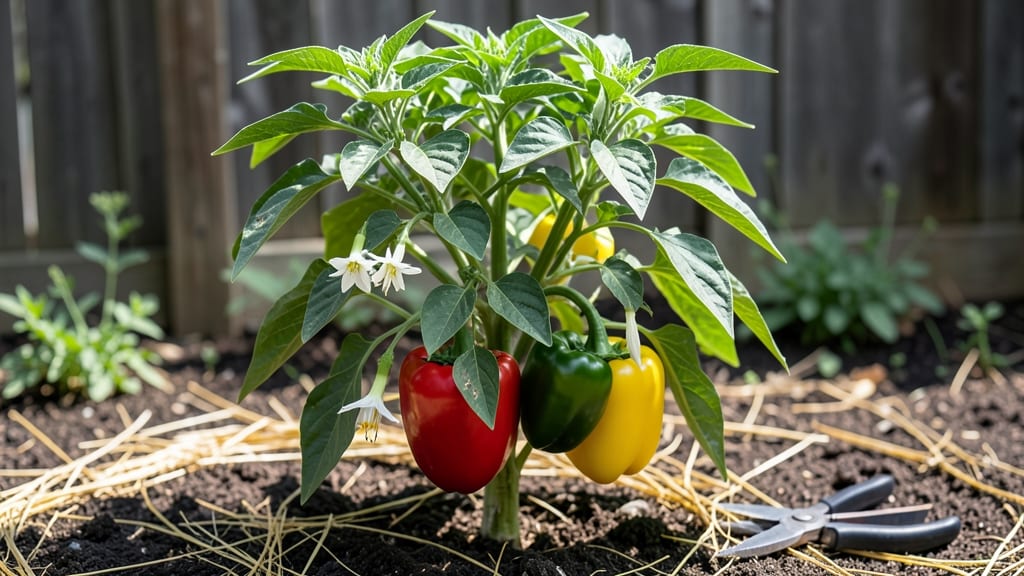
Bell pepper plants grow between 2 to 4 feet tall, depending on the variety you choose—some stay compact like shrubs while others reach waist height and need support.
If you're planning your garden layout or deciding where to plant your 🌶️ bell peppers, knowing their mature height is crucial—some varieties sprawl like vines while others stand tall like small shrubs.
This height difference isn't just about aesthetics; it affects spacing, sunlight exposure, and even how you support your plants to avoid flopping or disease. Compact varieties like 'Jupiter' thrive in tight spaces, while taller types such as 'California Wonder' need room to stretch.
Below, I’ll break down height ranges by variety, when to add support, and simple pruning tricks to keep your peppers growing strong—no guesswork required.


Bell pepper plant height by variety: compact vs. tall-growing types
When planning your garden, bell pepper plant height plays a critical role in spacing, support needs, and overall yield. Some varieties stay compact at just 18-24 inches tall, while others can reach 4 feet or more.
Understanding these differences helps you maximize space and productivity in your garden layout.
Bell peppers generally fall into two main growth categories: bush (determinate) types that stay compact and indeterminate types that grow taller and may need support. Bush varieties are ideal for containers or small gardens, while taller types thrive in raised beds or trellised spaces.
The California Wonder and Jupiter varieties are popular choices for gardeners with limited space, maturing at 24-36 inches tall. On the other hand, Black Beauty and King of the North can grow 36-48 inches tall, requiring more room and often needing staking or caging.
| Variety | Height Range | Growth Habit | Spacing Needs | Support Needed |
|---|---|---|---|---|
| California Wonder | 18-24 inches | Bush (determinate) | 12-18 inches apart | None (compact) |
| Jupiter | 24-30 inches | Bush (determinate) | 18-24 inches apart | None (compact) |
| Black Beauty | 36-48 inches | Indeterminate | 24-36 inches apart | Staking or caging |
| King of the North | 36-48 inches | Indeterminate | 24-36 inches apart | Staking or caging |
| Aristotle | 12-18 inches | Bush (determinate) | 12 inches apart | None (dwarf) |
| Sweet Banana | 24-36 inches | Indeterminate | 18-24 inches apart | Light staking |
Dwarf varieties like Aristotle are perfect for container gardening or small spaces, reaching only 12-18 inches tall. These compact plants produce abundant peppers without needing extra support, making them ideal for balconies or patios.
For tall-growing bell peppers, varieties like Black Beauty and King of the North can benefit from early support. Indeterminate types continue growing throughout the season, so providing stakes or cages at planting time prevents flopping and improves air circulation.
Proper spacing is essential for all varieties. Compact types need 12-18 inches between plants, while taller varieties require 24-36 inches to prevent competition for nutrients and sunlight. Overcrowding can stunt growth and reduce yields.
If you're growing bell peppers in containers or raised beds, choose dwarf or semi-dwarf varieties to avoid overcrowding. Larger pots (at least 5 gallons) work well for compact types, while taller varieties may need deeper containers with built-in support.
When selecting varieties, consider your garden's layout and your personal preferences. If you love harvesting throughout the season, indeterminate types are great, but they require more attention. For a single harvest with minimal fuss, bush varieties are the way to go.
Always check seed packets or plant tags for specific height ranges, as some varieties may vary slightly based on growing conditions. With the right variety and care, you'll enjoy a bountiful harvest of colorful
When and how to provide support for tall bell pepper plants
Tall bell pepper varieties like 'Jupiter' or 'Black Beauty' can reach 3-4 feet at maturity, making them prime candidates for support structures. Without proper support, these plants can flop over, leading to poor air circulation and disease risks.
I’ve found that providing support early—even for semi-dwarf varieties—helps prevent stem damage from heavy fruit loads.
Support isn’t just for aesthetics; it improves yield and reduces breakage. Heavy bell peppers can snap stems, especially in wet weather. I always recommend choosing a support method based on your garden space and the specific variety’s growth habit.
For example, indeterminate types need taller stakes, while bush varieties may only require light caging.
When to install support: The best time is 2-3 weeks after transplanting, when plants are about 12-18 inches tall and developing their first true leaves. This gives stems time to strengthen before bearing fruit. Late support—after flowering—can stress plants and may not provide enough stability for heavy harvests.
Support Methods for Tall Bell Peppers
- Staking: Use 5-6 ft bamboo stakes or metal garden stakes driven 6 inches deep. Tie stems gently with soft plant ties or old t-shirts to avoid cutting into the stem.
- Caging: Install 5 ft tomato cages or DIY wire cages (18-gauge wire, 12-inch squares) at planting. Works best for bushier varieties like 'California Wonder.'
- Trellising: String twine or nylon mesh between posts in a teepee or A-frame. Ideal for heavy-yielding varieties like 'Monarch'—peppers hang downward, reducing stem stress.
- DIY Options: Repurpose old wire hangers or plastic milk jugs (cut and slotted) for small plants. For large gardens, use concrete-filled plastic bottles as stakes.
For commercial gardens, I swear by heavy-duty fabric plant supports (like those from GrowGuard) that wrap around stems without tying. These reduce maintenance and prevent stem damage as plants grow. In my container gardens, I’ve had success with collapsible wire cages that fit snugly around the pot.
Pro tip: Prune suckers (side shoots) to direct energy upward, especially for tall, indeterminate varieties. I remove all suckers below the first 6 inches of the main stem to encourage vertical growth. This also makes support structures more effective by reducing sprawl.
Monitor your plants weekly for support stress signs, like stems rubbing against cages or ties digging in. Adjust ties as stems thicken—loosen every 2 weeks to prevent girdling. With the right support, your tall bell peppers will stand proudly and produce bountiful, disease-free harvests all season. 🌱