
Companion Plants
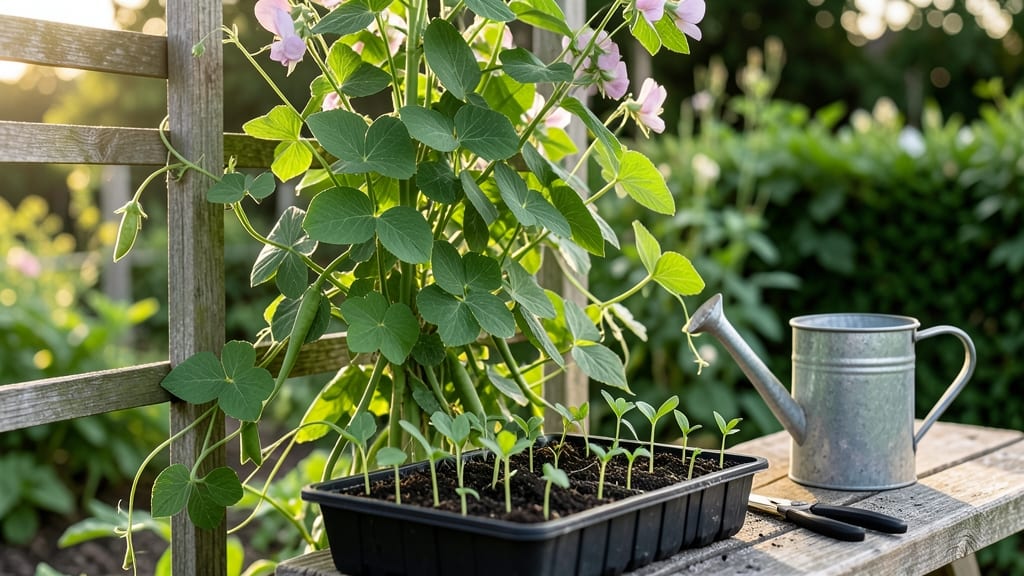
You can plant peas in Zone 5 as early as late February, but the sweet spot is March through April before the last frost—typically around mid-April for most of the region.
Peas are one of the first cool-season crops you can plant in Zone 5—but timing them wrong means stunted growth or bolted pods. Miss the frost-free window, and you’ll waste seeds (and money). The key is balancing soil temperature and frost risk, which varies by micro-climate.
Most gardeners in Zone 5 sow peas directly in the garden, but some varieties benefit from a head start indoors if you’re planting early. Whether you’re growing shelling, snap, or snow peas, the right timing ensures a steady harvest from June through July.
Below, I break down the exact planting windows by variety, how to extend your season with cold protection, and the three mistakes that sabotage Zone 5 pea crops every year.
Zone 5 pea planting dates by variety: exact frost-free deadlines
Peas thrive in Zone 5’s cool spring and fall weather, but planting too early or late can ruin your harvest. The last spring frost typically hits mid-April in most of Zone 5, but your exact deadline depends on your pea variety and micro-climate.
Early varieties can handle 32°F soil temps, while late-season types need warmer conditions.
For spring planting, aim to sow seeds 4-6 weeks before your last frost date. In Zone 5, that means early March to mid-April. Fall planting should happen 8-10 weeks before your first frost (usually late August to early September).
Adjust these windows if you live in a cold pocket (plant later) or an urban heat island (plant earlier).
Shelling peas (like Sugar Snap or Green Arrow) are the most cold-tolerant. Snow peas (e.g., Oregon Sugar Pod) need slightly warmer soil, while snap peas (like Sugar Sprint) thrive in both spring and fall. Below is your exact planting timeline for Zone 5, including adjustments for micro-climates.
| Variety Type | Spring Planting Window | Fall Planting Window | Soil Temp Threshold | Micro-Climate Adjustment |
|---|---|---|---|---|
| Shelling Peas (e.g., Green Arrow) | Early March – Mid-April | Late August – Early September | 32°F (0°C) | Cold pockets: delay by 2 weeks; heat islands: advance by 1 week |
| Snow Peas (e.g., Oregon Sugar Pod) | Mid-March – Early April | Early September – Mid-September | 35°F (2°C) | Urban areas: plant 1 week earlier; valleys: delay 1 week |
| Snap Peas (e.g., Sugar Sprint) | Late February – Mid-April | Late August – Early October | 30°F (-1°C) | Wind-exposed sites: use row covers; sheltered spots: extend window by 1 week |
| Dwarf Varieties (e.g., Little Marvel) | Early March – Late March | Late August – Early September | 32°F (0°C) | Containers: plant 1 week later; in-ground: follow standard timeline |
If you’re unsure about your last frost date, check your local USDA Zone 5a/5b records or use a frost calendar from your state’s agricultural extension office.
For example, Chicago’s last frost is often April 15th, while Pittsburgh’s can be as early as April 5th. Adjust your planting dates accordingly.
For micro-climates, pay attention to cold air pockets (like low-lying areas) where frost lingers longer. In these spots, delay planting by 1-2 weeks. Conversely, urban heat islands (paved areas, buildings) can warm up faster, so you might plant 1 week earlier.
Always monitor your garden’s soil temperature with a thermometer—peas won’t germinate well below 40°F (4°C).
Once you’ve planted, use trellises or cages to support vines and improve air circulation. This reduces disease risk and ensures even sun exposure, which is critical for pod development. In Zone 5, peas planted in full sun (6+ hours/day) will mature 10-15 days faster than those in partial shade.
Pro tip: If you’re planting in late spring (after April 15th), opt for heat-tolerant varieties like Tom Thumb or Wando. These can handle 75°F (24°C) daytime temps better than traditional types. For fall planting, prioritize early-maturing varieties (50-60 days to harvest) to avoid early frosts.
Finally, always soak pea seeds overnight before planting to speed up germination. This is especially helpful in Zone 5’s cooler soils, where seeds might take 7-14 days
How to extend pea season in Zone 5: succession planting & cold protection
Zone 5 gardeners can enjoy peas for months by using smart succession planting and cold protection strategies. With the right approach, you’ll harvest fresh pods from spring through fall, avoiding the common pitfall of a single, short-lived harvest.
The key lies in timing and protective tools like row covers and cold-hardy varieties.
Most gardeners focus on spring planting, but fall peas can thrive in Zone 5 if planted correctly. By combining early and late varieties with protective measures, you’ll stretch your harvest window by 6-8 weeks.
This method works especially well in cool micro-climates where spring arrives late or fall lingers longer.
⚠️ Zone 5 Pea Planting Warning
Don’t plant peas too early! Soil temperatures below 40°F cause poor germination. Use a soil thermometer to confirm 45-50°F before sowing. In Zone 5a, wait until late March; in Zone 5b, early March is safe. Fall plantings must go in by mid-August to mature before frost.
For spring succession planting, start with early-maturing varieties like 'Little Marvel' or 'Green Arrow' in late February to early March. Follow with mid-season types like 'Wando' every 2-3 weeks until mid-April.
This staggered approach ensures a continuous harvest from May through July. Use row covers to extend the season by 2-3 weeks in both spring and fall.
Cold-hardy varieties like 'Alaska' or 'Oregon Sugar Pod' are perfect for fall plantings. Sow seeds in late July to early August for a harvest in October and November.
Protect young plants with floating row covers to shield them from light frosts (down to 25°F). Remove covers during the day to prevent overheating and pest buildup.
To avoid common timing mistakes, create a planting checklist: ☑️ Test soil temperature before planting ☑️ Space plantings 2-3 weeks apart ☑️ Use trellises to save space and improve air circulation ☑️ Monitor frost dates and adjust planting windows yearly ☑️ Harvest regularly to encourage continuous production
With these tactics, you’ll transform a single harvest into a season-long bounty of sweet, fresh peas—even in Zone 5’s unpredictable climate. Start small with one succession batch this year, then expand next season based on what works best in your garden. 🌱