
Companion Plants
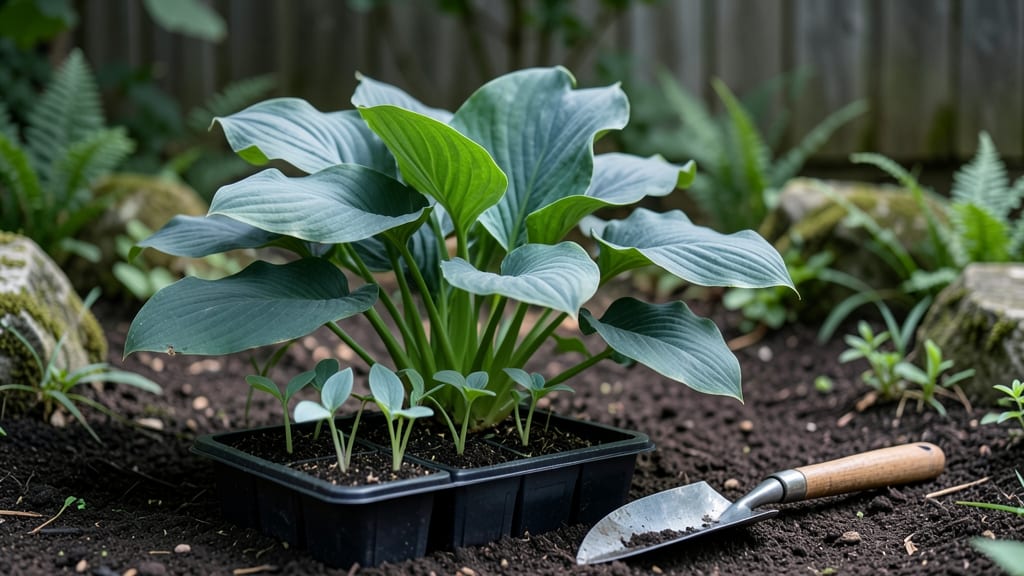
Planting perennials 🌱 in Zone 6 at the right time ensures they take root before the last frost—typically 4-6 weeks before mid-April—or establishes them strong enough to survive winter.
Timing is everything: plant too early, and young roots rot in cold, wet soil; too late, and they bolt or struggle to establish before winter. I’ve seen thriving gardens and wasted efforts hinge on just a few weeks’ difference.
Zone 6’s spring window (March-April) and fall window (September-October) offer two chances to get it right, but not all perennials play by the same rules. Cool-season varieties like lavender need early starts, while hardy perennials like coneflowers can wait until late spring.
Below, I break down the exact weeks before last frost for optimal survival, plus how to adjust for your microclimate—whether you’re in a cold pocket or an urban heat island. Ready to plant with confidence?
Exact weeks before last frost to plant perennials in Zone 6 for optimal survival
In Zone 6, where the average last frost date falls around April 15, timing your perennial planting is critical for survival. Planting too early risks frost damage, while waiting too long can stunt root establishment before summer heat arrives.
Understanding these exact weeks ensures your perennials thrive from their first season onward.
The key to success lies in two primary planting windows: early spring (4-6 weeks before last frost) and early fall (4-6 weeks before first frost, typically mid-October).
Each window caters to different perennial types—hardy perennials like coneflowers and hostas adapt well to both, while tender varieties like lavender or Russian sage need precise timing to avoid frost damage.
For spring planting, aim to get perennials in the ground 4-6 weeks before your last frost date. In Zone 6, this typically means planting between March 15 and April 1.
Use a soil thermometer to confirm the soil temperature has reached at least 45°F—this ensures roots won’t freeze. Hardy perennials like daylilies and bee balm can handle cooler soil, but tender varieties like lavender need warmer conditions.
If you prefer fall planting, the window narrows to 4-6 weeks before your first frost, usually September 15 to October 1. Fall-planted perennials benefit from cooler temperatures and reduced competition for water.
Focus on hardy perennials like coneflowers or sedum, which establish roots before winter dormancy. For tender perennials, extend the window to 8-10 weeks before frost to avoid heat stress.
One common mistake is planting tender perennials too early in spring when soil temperatures are still cold. For example, Russian sage planted in March may struggle to establish roots before summer heat arrives. Instead, wait until mid-April when soil temperatures consistently stay above 55°F.
Always check the USDA Plant Hardiness Zone Map for your specific location—even within Zone 6, microclimates can shift planting windows by 1-2 weeks.
To extend your planting window, use mulch (2-3 inches of straw or wood chips) to insulate soil and retain moisture. This is especially useful for fall-planted perennials, as mulch protects roots from freeze-thaw cycles in early winter.
For spring planting, mulch also helps regulate soil temperature, preventing roots from overheating as temperatures rise. Pair mulch with well-draining soil amended with compost to create an ideal environment for root growth.
Pro tip: If you miss the ideal window, don’t panic! Many Zone 6 perennials can be planted in early May as long as you provide consistent watering and shade cloth during heatwaves.
However, tender perennials planted this late may struggle to establish roots before winter, so prioritize hardy varieties like black-eyed Susans or shasta daisies for better
How to adjust planting time for perennials based on Zone 6 microclimates
Zone 6 gardens aren't one-size-fits-all—your microclimate can shift planting windows by 2-4 weeks. Urban heat islands bake soil faster, while cold pockets delay warming. Understanding these variations lets you extend seasons and protect tender perennials from unexpected frosts.
Start by identifying your garden's microclimates: south-facing slopes warm up earliest, while north-facing areas stay cold longer. Even a 5-foot difference in elevation can change soil temperatures by 5°F. Use these insights to adjust your planting schedule for maximum root establishment before winter.
For urban heat islands, plant heat-tolerant perennials like black-eyed Susans or Russian sage 2-3 weeks earlier than your zone's average. These varieties handle warmer soil temperatures better and establish faster. In contrast, delicate perennials like peony or hosta need cooler conditions—wait until soil reaches 55°F before transplanting.
South-facing slopes warm up 1-2 weeks earlier than flat ground. Take advantage by planting early-blooming perennials like columbine or lungwort here first. However, these areas dry out faster—mulch heavily (3-4 inches) to retain moisture and protect roots from extreme heat.
Use straw mulch for best results, as it breaks down slowly and insulates soil.
Cold pockets—like low-lying areas or shaded spots—require delayed planting. Wait until 2 weeks after your average last frost date, and choose hardy perennials like aster or sedum that tolerate cooler soils.
Extend the season by adding row covers or black plastic mulch to warm the soil faster. This can shave off 10-14 days from your planting window.
Mulching is your best tool for season extension. Apply organic mulch (like wood chips or leaf mold) in late fall to insulate roots and prevent freeze-thaw cycles. In spring, remove mulch 2-3 weeks before planting to let soil warm up naturally.
For tender perennials, use straw mulch over roots in early fall to create a protective blanket against early frosts.
Always monitor soil temperature with a soil thermometer—it’s more accurate than air temperature. Aim for 50-60°F for most perennials, but cool-season varieties like heuchera can handle 45°F.
Adjust your planting schedule based on real-time data, not just calendar dates. With these microclimate tweaks, you’ll maximize growth and minimize stress for your perennials all season long. 🌱