
Plants
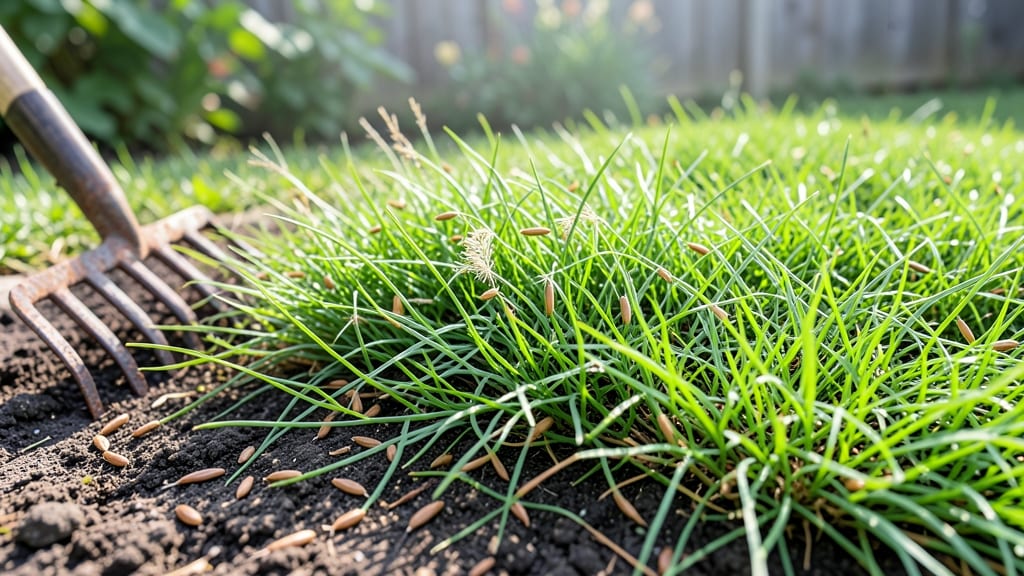
Planting Bermuda grass seed in Georgia at the right time means waiting until soil temperatures hit 65°F—usually 4–6 weeks after your last frost, which varies wildly from March 15 in Atlanta to April 15 along the coast.
Georgia’s diverse climate—from coastal humidity to mountain highlands—means planting Bermuda grass seed at the wrong time can lead to weak germination or total failure. Timing isn’t just about the calendar; it’s about understanding your microclimate’s last frost date, soil warmth, and rainfall patterns to ensure a lush, drought-resistant lawn.
Get it wrong, and you’ll waste seed, water, and weeks of effort. Get it right, and you’ll have a thick, heat-tolerant lawn by summer’s peak, ready to handle Georgia’s brutal sun and occasional droughts.
Below, I’ll break down the exact weeks before last frost to plant by zone, how to adjust for shade or slopes, and the critical care steps for the first 6 weeks after germination—so your grass doesn’t just survive, but thrives.
Georgia’s last frost Zones: exact weeks before planting Bermuda grass seed
Georgia’s 8 USDA frost zones (7a–8b) create dramatic differences in when to plant Bermuda grass seed. In Zone 7a (northwest mountains), you’ll wait until 5–6 weeks after last frost, while Zone 8b (coastal Savannah) can start as early as 2–3 weeks after frost.
The key? Soil temperature must reach 65°F+—cold soil kills seeds before germination.
First, verify your exact frost zone using the USDA Plant Hardiness Zone Map or your local Cooperative Extension Service. For example, Atlanta (Zone 7b) averages its last frost around March 25, while Savannah (Zone 8a) sees frost by January 15.
These dates shift 1–2 weeks earlier in inland valleys and 1–2 weeks later near the mountains.
Here’s the critical rule: Plant Bermuda grass seed only when soil temps stay above 65°F for 7+ days. Use a soil thermometer (bury it 2–3 inches deep) to confirm.
In Zone 7a, this typically means late May; in Zone 8b, it’s often mid-April. Rushing too early risks seed rot from lingering cool nights.
Regional exceptions matter. The Piedmont region (Zones 7a–7b) often has warmer soil than coastal areas due to less humidity, so you can plant 1 week earlier. Meanwhile, coastal Georgia (Zones 8a–8b) may face fungal risks from high humidity—delay planting if rainfall exceeds 2 inches/week during germination.
| USDA Zone | Last Frost Avg. | Weeks After Frost | Planting Window | Soil Temp Threshold | Regional Notes |
|---|---|---|---|---|---|
| 7a (e.g., Blue Ridge) | March 20–25 | 5–6 weeks | Late May–Early June | 65°F+ (May 15+) | Cool nights; delay if frost risk |
| 7b (e.g., Atlanta) | March 15–20 | 4–5 weeks | Late April–May 10 | 65°F+ (April 25+) | Urban heat islands may plant 1 week earlier |
| 8a (e.g., Macon) | January 15–20 | 3–4 weeks | Early March–April 1 | 65°F+ (March 10+) | Humidity risks; avoid rainy periods |
| 8b (e.g., Savannah) | January 5–10 | 2–3 weeks | Mid-February–March 15 | 65°F+ (February 20+) | Coastal warmth; monitor fungal risks |
To double-check your zone, cross-reference the USDA map with local weather data.
For instance, Rome (Zone 7b) might align with Atlanta’s timeline, but Valdosta (Zone 8a) can plant 3 weeks earlier than Athens. Extension offices often provide hyper-local frost data—call yours for 5-year averages of your specific neighborhood.
Pro tip: Use a seedling heat mat ($15–$25) if you’re eager to plant 2 weeks early. These raise soil temps by 1
Microclimate adjustments: when to plant in shade, slopes, OR urban heat islands
Georgia’s microclimates can shift planting windows by weeks, even within a single county. For Bermuda grass, this means adjusting your ideal May-June timeline based on your yard’s unique conditions.
Shaded spots, south-facing slopes, and urban heat islands all demand different strategies to avoid poor germination or fungal diseases.
First, test your soil temperature—Bermuda grass needs 65°F+ soil to sprout. In shaded areas, cooler soil may delay planting by 2–3 weeks compared to sunny patches. Meanwhile, south-facing slopes can warm up faster, letting you plant 1–2 weeks earlier than your neighbors.
Microclimate Planting Adjustments for Bermuda Grass
• Shade: Reduces fungal risks (e.g., brown patch) by cooler soil
• Slopes: Warmer soil speeds germination in early spring
• Urban Heat: Earlier planting avoids summer drought stress
• Coastal: Humidity control with fungicide pre-treatment
• Shade: Weak growth if <6 hours sun; may need supplemental light
• Slopes: Erosion risks if planted too early (before roots establish)
• Urban Heat: Overwatering needed to offset dry air
• Coastal: Higher fungal pressure requires frequent checks
In urban heat islands (like Atlanta’s downtown), air temperatures can be 5–10°F hotter than rural areas. This may push your planting window 1–2 weeks earlier—aim for mid-April instead of May.
However, coastal Georgia (e.g., Savannah) faces humidity risks: Bermuda grass thrives here but needs fungicide pre-treatment to prevent dollar spot disease.
Clay soils add another layer of complexity. If your yard has heavy clay, delay planting until soil warms to 70°F+—cooler clay stays damp too long, inviting seed rot. Test with a soil thermometer (available at garden centers for ~$15) to avoid costly mistakes.
Use this risk-assessment checklist before planting: ☑️ Shade: Confirm <6+ hours sun daily (supplement with grow lights if needed) ☑️ Slopes: Check for erosion risks; amend soil with compost ☑️ Urban Heat: Schedule watering for early morning (5–8 AM) ☑️ Coastal: Apply fungicide 3 days before seeding ☑️ Clay Soil: Wait for <70°F soil temp or amend with sand
Adjusting for microclimates isn’t just about tweaking dates—it’s about matching your grass’s needs to your yard’s reality. With these adjustments, your Bermuda grass will establish stronger, greener, and faster. 🌱