
Companion Plants
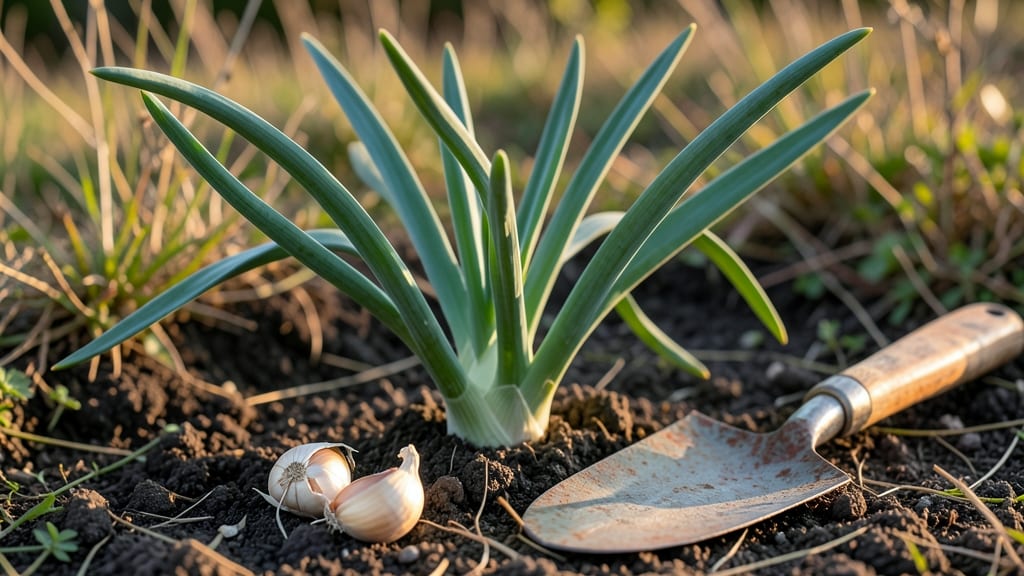
Planting garlic in Melbourne at the right time means the difference between a bumper harvest and a wasted effort—and the clock starts ticking in April.
Melbourne’s cool autumn climate is perfect for growing hardneck garlic 🧄, but timing is everything. Plant too early, and frost can damage your cloves; too late, and your bulbs won’t mature before summer heat.
The goal? Get them in the ground 4-6 weeks before the first frost, which usually lands in mid-August.
This guide breaks down the exact planting window for your area, whether you’re in the city’s cooler highlands or the milder coastal strip. We’ll also cover soil prep, frost risks, and how to adjust if you miss the ideal dates—because even the best gardeners need a backup plan.
By the end, you’ll know exactly when to plant, how deep to bury those cloves, and what to watch for as your garlic grows. Let’s get those bulbs in the ground the right way!
Best autumn planting dates for garlic in Melbourne’s climate zones
Melbourne’s autumn climate creates perfect conditions for growing hardneck garlic, but getting the timing right is crucial. The city’s distinct microclimates—from coastal areas like Frankston to inland regions like Bendigo—mean planting dates can vary by 2-3 weeks.
For most gardeners, the ideal window falls between mid-April and early May, but coastal zones may extend this slightly later.
Garlic thrives when soil temperatures range between 10°C and 15°C (50°F–59°F). In Melbourne, this typically aligns with late autumn, but early frosts can disrupt growth if planted too late.
Understanding your local frost dates is key—Melbourne’s first frost usually arrives around mid-August, but inland areas may experience it earlier.
| Climate Zone | Ideal Planting Window | Soil Temp Threshold | Frost Risk | Best Variety |
|---|---|---|---|---|
| Coastal (e.g., Mornington Peninsula, Frankston) | Late April to early May | 12°C–15°C (54°F–59°F) | Low (mild frosts) | Hardneck (e.g., 'German White', 'Purple Stripe') |
| Inland (e.g., Bendigo, Castlemaine) | Mid-April to late April | 10°C–13°C (50°F–55°F) | High (earlier frosts) | Hardneck (e.g., 'Music', 'Silverskin') |
| Urban Heat Islands (e.g., Melbourne CBD) | Early May to mid-May | 11°C–14°C (52°F–57°F) | Moderate (delayed frosts) | Softneck (e.g., 'Artichoke') |
| Highland (e.g., Dandenong Ranges) | Late March to early April | 8°C–12°C (46°F–54°F) | Very High (early frosts) | Hardneck (e.g., 'Creole', 'Turkish') |
For hardneck garlic, which produces the prized scape and is ideal for Melbourne’s climate, aim to plant 4-6 weeks before the first frost.
This ensures bulbs develop properly before winter dormancy. Softneck varieties, like 'Artichoke', are better suited for warmer urban areas and can be planted slightly later, up to mid-May.
Adjust your planting date if you notice unseasonably warm autumns. In 2022-2023, Melbourne experienced delayed frosts, pushing ideal planting dates back by 1-2 weeks. Monitor Bureau of Meteorology forecasts and check soil temperatures with a soil thermometer (available at garden centers) to avoid planting too early.
If you miss the autumn window, don’t worry—garlic can also be planted in early spring (September–October). However, spring-planted garlic may produce smaller bulbs and fewer scapes. For best results, prioritize autumn planting and store any leftover cloves in the fridge until spring.
Pro tip: Use mulch (straw or lucerne) after planting to insulate bulbs from temperature fluctuations. This is especially important in coastal areas, where soil can cool rapidly at night. A 2-3 inch layer of mulch helps maintain stable soil temps and reduces frost risk.
Melbourne’s clay-heavy soils can also affect garlic growth. If your garden retains too much moisture, amend the soil with compost or gypsum before planting to improve drainage. Well-drained soil prevents rot and ensures bulbs form properly over winter.
Finally, mark your calendar for harvest time, which typically falls between December and February for autumn-planted garlic. Look for brown lower leaves and papery skins—these are your cues that bulbs are ready. In inland areas, harvest may start as early as November due to warmer conditions.
With the right timing and a little local know-how, you’ll be harvesting plump, flavorful garlic bulbs that rival anything from the market. Happy planting! 🌱
How to prepare Melbourne gardens for garlic planting (soil, location, and prep)
Melbourne’s clay-heavy soils and urban heat islands can make garlic planting tricky, but with the right prep, you’ll grow plump, flavorful bulbs. The key is improving drainage while keeping soil loose and nutrient-rich—garlic hates soggy roots but thrives in well-aerated beds.
Start by testing your soil’s pH (6.0–7.0 ideal) and amending it with organic matter to break up compaction.
Choose a sun-drenched spot with at least 6 hours of direct sunlight daily. Urban gardens often have microclimates, so avoid shaded corners near tall buildings or trees.
If your yard is mostly clay, consider raised beds or mounded soil to improve airflow and prevent waterlogging during Melbourne’s unpredictable autumn rains.
- ☑️ Test soil pH (aim for 6.0–7.0) with a simple kit from garden centers
- ☑️ Amend clay soil with 3–4 inches of compost or aged manure
- ☑️ Loosen soil to 12 inches deep with a fork or tiller
- ☑️ Select hardneck varieties (e.g., ‘German White’ or ‘Purple Stripe’) for Melbourne’s climate
- ☑️ Choose well-draining spots—avoid low-lying areas prone to water pooling
- ☑️ Plant cloves 2 inches deep, 4–6 inches apart, with the pointed end up
Melbourne’s autumn frosts (typically arriving by late May) signal the perfect time to plant garlic, but timing is critical. Aim to get cloves in the ground 4–6 weeks before the first frost—usually mid-April to early May.
If your soil is still warm, delay planting until temperatures drop below 15°C (59°F) to prevent premature sprouting.
For urban gardeners, container growing is a great option. Use pots at least 12 inches deep with drainage holes and fill with a mix of potting soil and perlite. Place containers in full sun and water deeply when the top inch of soil feels dry.
Mulch with straw to insulate roots during winter and retain moisture in Melbourne’s dry spells.
After planting, mulch heavily (3–4 inches) with straw or lucerne hay to protect cloves from temperature swings. This is especially important in Melbourne’s variable autumn weather, where warm days can give way to sudden cold snaps. Mulch also suppresses weeds and keeps soil moisture consistent—critical for garlic’s steady growth.
Finally, mark your garlic bed with stakes or flags so you don’t accidentally disturb it during winter. Garlic needs time to establish roots before spring growth, and Melbourne’s compacted soils can slow this process. With proper prep, your garlic will emerge strong and ready for Melbourne’s harvest window (December–February).