
Plants
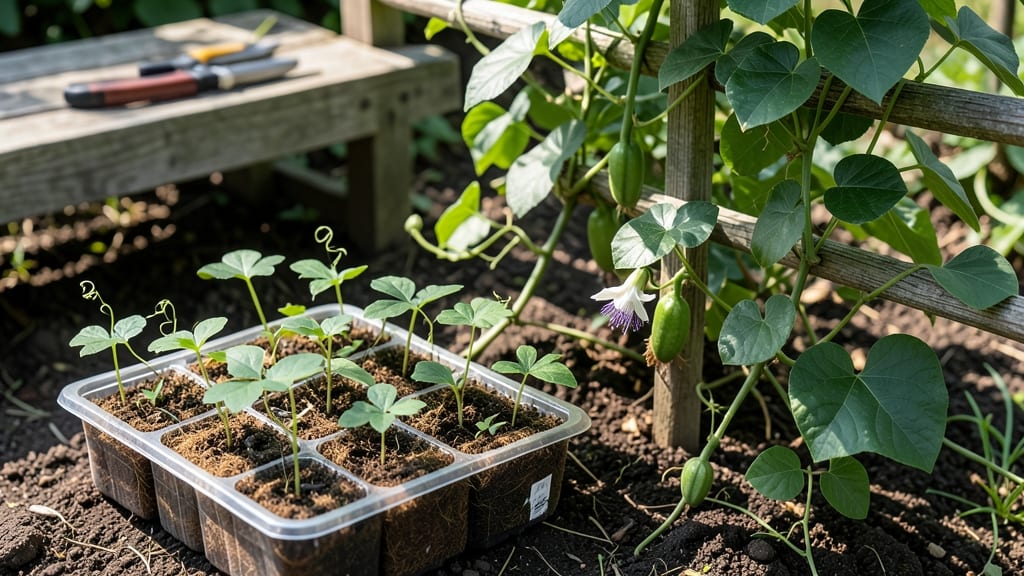
Planting passion fruit in Melbourne at the right time means the difference between a bountiful harvest and struggling vines that never quite take off.
Melbourne’s unpredictable climate can make or break your passion fruit harvest—but planting at the right time ensures lush vines, sweet fruit, and frost-free growth. Timing isn’t just about seasons; it’s about avoiding the city’s infamous cold snaps that can devastate young vines.
For best results, aim for late spring (September–November) when soil warms up and frost risk fades. Early autumn (February–March) is another solid window, especially if you’re in a sheltered spot or using containers for extra mobility.
Below, I’ll walk you through the exact months to plant, how to prep your soil for Melbourne’s unique conditions, and the game-changer strategies to protect your vines from late surprises—so you can enjoy that first ripe 🍈 by summer.
Optimal planting months in Melbourne for passion fruit success
Melbourne’s two distinct planting windows for passion fruit—spring (September–November) and early autumn (February–March)—align with the city’s warm soil temperatures and longer daylight hours.
Spring planting gives vines 6–8 months to establish before winter, while autumn planting avoids the hottest summer months and potential heat stress for young roots.
Unlike tropical climates, Melbourne’s USDA Zone 9b means passion fruit thrives in warm but not scorching conditions. Coastal areas like St Kilda and Frankston enjoy milder winters, while inland suburbs like Melton and Sunbury face colder snaps.
This microclimate difference can shift your ideal planting window by 2–4 weeks—coastal gardeners can plant slightly earlier.
Soil temperature is non-negotiable for passion fruit success. Roots need 18°C+ soil temps to sprout consistently. In Melbourne, this typically occurs in late September for spring planting or mid-February for autumn. Use a soil thermometer to confirm—cold soil delays germination by weeks, leaving vines vulnerable to late frosts.
Here’s your Melbourne-specific planting timeline, accounting for microclimates and frost risks:
| Planting Window | Soil Temp Requirement | Melbourne Microclimate Notes | Key Preparation Task |
|---|---|---|---|
| Late September–Early November (Spring) | 18°C+ (consistent) | Coastal: Plant by 25 Sept. Inland: Wait until 5 Oct. | Install frost cloths for first 4 weeks. |
| Mid-February–Early March (Early Autumn) | 20°C+ (minimum) | All areas safe—avoids summer heat stress. | Mulch heavily to retain moisture. |
| Avoid: Winter (June–August) | Below 15°C (risk of rot) | Even coastal areas get chilly nights. | N/A—plant dormant tubers only. |
| Avoid: Late Autumn (April–May) | 16–18°C (slow growth) | Inland areas face early frosts. | Use greenhouse or containers. |
Melbourne’s erratic weather patterns demand proactive prep. Before planting, amend soil with compost and perlite to improve drainage—passion fruit hates soggy roots. Test soil pH (ideal: 6.0–7.5); lime may be needed in acidic inland soils.
Coastal areas often have sandy soil, so add organic matter to retain moisture.
For container growing (ideal for balconies or frost-prone spots), use 20L+ pots with drainage holes. Plant in late October to avoid winter chill. Containers warm up faster than ground soil, giving you a 2-week head start in spring.
Just ensure pots get full sun (6+ hours)—shade stress reduces fruiting by 40%.
Timing your planting isn’t just about months—it’s about weather forecasts. Check the Bureau of Meteorology’s 7-day outlook before planting. If sub-10°C nights are predicted within 4 weeks, delay planting or use row covers. Even coastal Melbourne can see unexpected frosts in November—don’t skip this step!
Once planted, mulch with straw to insulate roots and water deeply 2–3 times weekly until established. Passion fruit vines grow 1–2 meters per year, so install a trellis or fence immediately—retrofitting support later risks vine damage.
In Melbourne’s windy conditions, secure the trellis sturdy enough to handle 90km/h gusts.
Pro tip: Tag your planting date on the trellis. This helps track growth milestones—vines should show new leaves weekly in ideal conditions. If growth stalls, check for aphids (common in Melbourne’s humid summers) or nutrient deficiencies (yellow leaves = nitrogen deficiency).
By mastering these Melbourne-specific timing cues, you’ll avoid the #1 mistake—planting too early and losing vines to frost. Whether you’re in sunny St Kilda or cool Bendigo, these windows ensure your passion fruit thrives year after year. 🌱
How to avoid frost damage: Melbourne-specific tips for young passion fruit plants
Melbourne’s late-spring and early-autumn frosts can turn your passion fruit vines into crispy casualties if you’re not prepared. The critical 4-week window after planting is when young plants are most vulnerable—especially if you’ve chosen September or February as your planting months.
Even a 2°C drop can stunt growth or kill tender new leaves, so proactive protection is essential.
Unlike tropical regions, Melbourne’s USDA Zone 9b still experiences unpredictable cold snaps, particularly in inland areas like Sunbury or Bendigo. Coastal spots like St Kilda enjoy milder temperatures, but nighttime winds can amplify frost damage. The key is creating a microclimate around your vines to buffer temperature swings.
⚠️ callout warning ⚠️
When: Late September to early November (spring) and late March to April (autumn)
Risk: Young passion fruit vines (under 4 weeks old) are most vulnerable—frost can kill new growth and delay fruiting by 6-8 weeks.
Action: Use frost cloths (not plastic) and mulch heavily (10cm deep) to insulate roots. Never plant before soil temps reach 15°C—use a soil thermometer to check.
Start with mulching—apply a 10cm layer of straw or wood chips around the base of your vines to insulate roots. Organic mulch also retains moisture and regulates soil temperature, which is crucial during Melbourne’s variable autumn nights.
For extra protection, wrap young vines with frost cloth (not plastic sheeting) when temperatures drop below 5°C.
Windbreaks are another game-changer in Melbourne’s exposed gardens. Plant tall hedges like pittosporum or install trellis windbreaks on the western side of your passion fruit patch, where cold air drains. Even a simple bamboo screen can reduce wind chill by 2-3°C, making the difference between survival and damage.
If you’re planting in containers, move them to a sheltered spot (like a garage or under a patio) during frost alerts. Container-grown passion fruit dry out faster, so water deeply before cold snaps to prevent root stress.
Avoid overwatering, though—wet roots in cold soil invite fungal diseases like root rot.
Monitor the Bureau of Meteorology’s frost forecasts and act fast. A 5-minute spray of water on vines before sunset can release heat as it freezes, adding 1-2°C of protection.
Pair this with evening mulch top-ups, and your young passion fruit will stand a far better chance against Melbourne’s unpredictable frosts. 🌿