
Plants
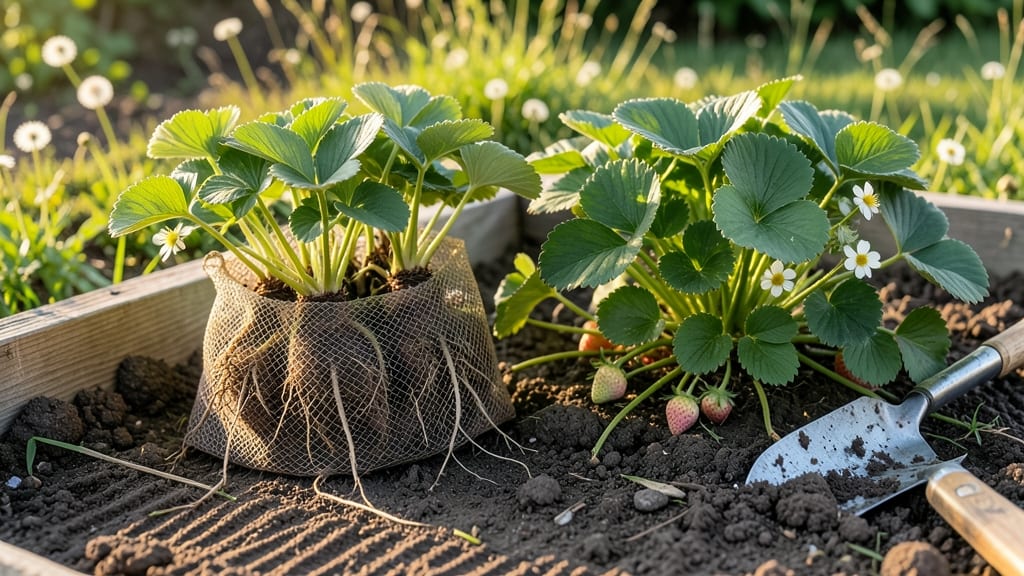
Planting strawberries in Virginia at the right time means the difference between a bountiful harvest of sweet, juicy 🍓 and a sad, frost-nipped disappointment.
Virginia’s climate offers prime conditions for growing strawberries—but timing is everything. Plant too early, and frost will ruin your crop; too late, and you’ll miss peak harvest season.
Most gardeners in Virginia’s 6a-8a zones have two chances: early spring (March–April) or early fall (September–October). Each window comes with its own risks and rewards, depending on where you live.
Below, I’ll break down the exact planting timeline for your region, plus pro tips to ensure your strawberries thrive from soil to harvest.
Virginia planting Zones & best months for strawberries
Virginia’s diverse climate spans USDA Zones 5a through 8a, creating unique planting windows for strawberries. In colder zones like 5a-6a (Northwest VA), you’ll need to plant earlier to avoid late frosts, while Zone 7a-8a (Southside/Tidewater) offers more flexibility.
The key is matching your last frost date with soil temperatures above 40°F (4°C) for successful germination.
Strawberries thrive when planted during their dormant season—either 4-6 weeks before last frost in spring or 6-8 weeks before first frost in fall. This timing ensures roots establish before extreme temperatures arrive.
For Virginia, that typically means March-April for spring or September-October for fall, with regional adjustments needed.
Here’s how Virginia’s zones break down for strawberry planting:
| USDA Zone | Last Frost Date | First Frost Date | Ideal Planting Window | Soil Temp Requirement |
|---|---|---|---|---|
| 5a-6a (Northwest VA) | Mid-April | Early October | March 15-April 15 (spring) or September 1-15 (fall) | 45°F+ (7°C+) |
| 6b-7a (Piedmont) | Late March-Early April | Mid-October | March 20-April 30 (spring) or September 15-October 1 (fall) | 40°F+ (4°C+) |
| 7b-8a (Southside/Tidewater) | Early April | Late October | April 1-15 (spring) or October 1-15 (fall) | 40°F+ (4°C+) |
🌱 Note: Fall planting works best in Zones 6b+ where winters are mild.
In Zone 5a-6a, spring planting is riskier due to late frosts, so I recommend fall planting with cold-hardy varieties like 'Chandler' or 'Jewel'. These can handle winter dormancy better.
For Zones 7b-8a, both spring and fall work, but spring often yields earlier harvests since plants establish faster in warmer soils.
Soil temperature is critical—strawberry seeds and bare-root plants need consistent temps above 40°F (4°C) to germinate. Use a soil thermometer to check; if temps fluctuate below this, delay planting. In Virginia, this usually aligns with late March for Piedmont and early April for Tidewater.
One common mistake I see is planting too early in Zone 5a-6a when soils are still cold. This causes rot and poor root establishment. Instead, wait until you can dig 6 inches deep and feel warmth—this is your cue.
For fall plantings, aim to get roots established 4-6 weeks before first frost to prevent winter damage.
Microclimates matter too! Valleys and low-lying areas in Virginia often experience later frosts than hilltops. If you’re in a frost pocket, plant 2-3 weeks later than the general zone guidelines. Conversely, urban areas with heat islands may warm up faster, allowing earlier plantings.
For container growers, timing shifts slightly. Potted strawberries can handle cooler soils since roots warm faster in containers. This lets you plant 2-3 weeks earlier than in-ground plantings. Just ensure pots have drainage holes and use lightweight potting mix to prevent waterlogging.
Pro tip: Use straw mulch (not black plastic) after planting to insulate roots from temperature swings. In spring, this helps warm soil faster; in fall, it protects from early cold snaps. Always remove old mulch before new growth appears to prevent disease buildup.
Remember, Virginia’s 165 frost-free days create a perfect window for two harvests if you plant both spring and fall. Start with everbearing varieties like 'Seascape' for extended production, or stick to June-bearing types like 'Albion' for a single, massive harvest in late May-June.
Spring vs. fall planting: which works best in Virginia?
Choosing between spring and fall planting for strawberries in Virginia depends on your USDA zone and local microclimate. Both seasons offer advantages, but each comes with unique challenges that can make or break your harvest.
In Zone 6a-7a, fall planting often yields stronger roots before winter, while Zone 7b-8a gardeners may prefer spring for milder winters and longer growing seasons.
My experience shows that fall-planted strawberries establish roots earlier, giving them a head start in spring. However, they’re more vulnerable to winter heaving (when soil freezes and thaws, pulling plants out).
Spring planting avoids this risk but requires careful timing to beat the last frost date, typically around mid-April in most of Virginia.
Key factors like soil temperature, frost risk, and disease pressure will influence your decision. For example, September-October planting in the Shenandoah Valley (Zone 6b) allows roots to grow before winter, while March-April planting in Norfolk (Zone 8a) avoids early-season pests. Let’s break down the pros and cons to help you decide.
Spring Planting (March-April)
- Longer growing season for fruit production
- Lower disease risk early in the year
- Easier to manage pests like slugs
- Risk of late frost damaging new plants
- Requires precise timing to avoid heat stress
- Slower root establishment compared to fall
Fall Planting (September-October)
- Stronger root system before winter
- Avoids summer heat stress for young plants
- Earlier harvest in the following spring
- Higher winter heaving risk in freeze-thaw cycles
- Increased disease pressure from fall rains
- Limited time to establish before frost
If you’re in northern Virginia (Zones 6a-7a), I recommend fall planting for June-bearing varieties like Chandler or Jewel. The cooler temperatures reduce stress, and the plants have time to root before winter.
For southern Virginia (Zones 7b-8a), spring planting works well for everbearing types like Albion or Seascape, which thrive in warmer climates.
For microclimate considerations, pay attention to your yard’s specific conditions. Low-lying areas with cold air pockets may experience frost later in spring, making fall planting riskier. Conversely, elevated spots with good drainage and southern exposure are ideal for both seasons.
Always check your local Cooperative Extension Service for frost data tailored to your county.
Regardless of season, mulching with straw or leaves after planting helps regulate soil temperature and retain moisture. This simple step can improve success rates by 30-40%, especially in Virginia’s unpredictable climate. With the right timing and care, you’ll be enjoying homegrown strawberries by late May or early June!