
Planting
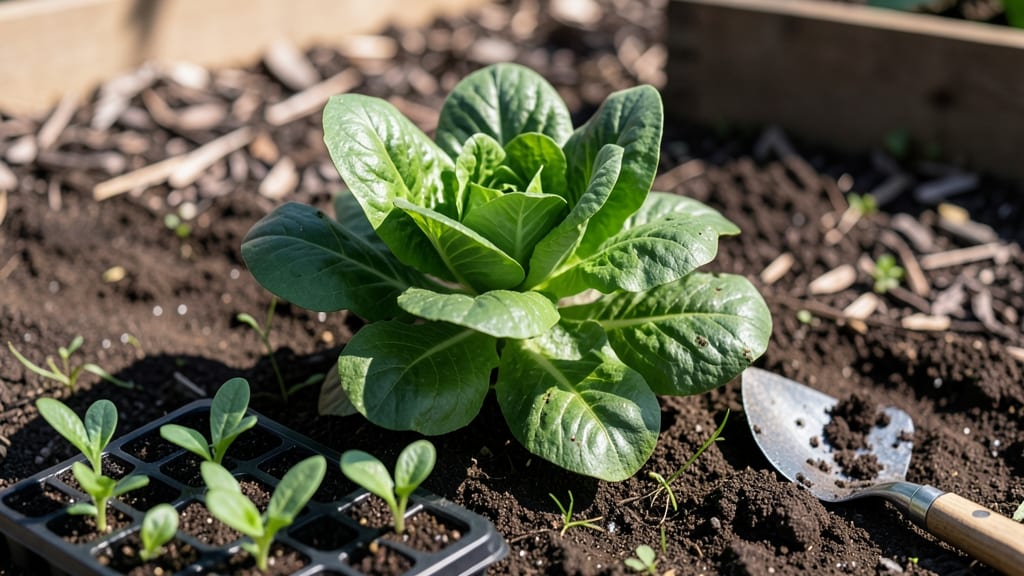
Planting a garden in Ohio after your last frost date—typically around April 15—sets you up for a bountiful harvest before summer’s heat arrives.
Ohio’s unpredictable spring weather can turn a gardener’s excitement into frustration—plant too early, and frost ruins your hard work; too late, and you miss peak harvests. Knowing the exact frost-free dates by zone and crop is the key to a thriving garden.
Whether you’re sowing cool-season 🌱 vegetables like peas or waiting for the soil to warm for tomatoes, timing matters. In USDA Zone 6a, most gardeners aim for mid-April to mid-May, but regional microclimates can shift those deadlines by weeks.
Below, I break down Ohio’s frost-free windows by crop, soil prep tips to speed up planting, and how to adjust for early or late frosts—so you can avoid those heartbreaking losses and enjoy a garden that thrives all season.
Ohio’s frost-free dates by USDA hardiness zone: your planting timeline
Ohio’s USDA hardiness zones 5a through 6b create a diverse gardening landscape, where last frost dates can vary by 2-3 weeks from north to south. Understanding these zone-specific timelines helps you avoid frost damage while maximizing your planting windows for annuals, vegetables, and flowers.
Whether you’re in colder zone 5a or warmer zone 6b, timing is everything!
For most Ohio gardeners, the average last frost date falls between April 15 and May 10, but microclimates—like urban heat islands or sheltered valleys—can shift these dates by 1-2 weeks.
Rural areas tend to freeze 1-2 weeks longer than cities, while south-facing slopes warm up earlier in spring. Always track local weather patterns for the most accurate planting cues.
First frost typically arrives between October 10 and November 1, depending on your zone. This means fall planting windows for cool-season crops like kale, spinach, and radishes can extend until mid-October in southern Ohio. In northern zones, you’ll need to plant by early September to ensure harvest before frost.
| USDA Zone | Avg. Last Frost | Avg. First Frost | Spring Planting Window | Fall Planting Window | Notes |
|---|---|---|---|---|---|
| 5a (Northeast Ohio) | April 25 - May 5 | October 15 - 25 | Mid-May to June 1 | Early Aug - Sep 15 | Coldest zone; use row covers |
| 5b (Northeast/Central) | April 15 - 25 | October 5 - 15 | Late April - May 15 | Late July - Sep 1 | Good for early starts |
| 6a (Central/Southwest) | April 1 - 15 | September 25 - Oct 5 | Mid-April - May 1 | Late July - Sep 15 | Longest growing season |
| 6b (Southwest Ohio) | March 25 - April 10 | October 10 - 20 | Early April - April 30 | Late Aug - Oct 1 | Warmest zone; extend season |
If you’re in zone 5a, wait until after May 1 to plant warm-season crops like tomatoes and peppers, as earlier plantings risk frost damage. In zone 6b, you can start outdoor tomatoes as early as April 1, but monitor soil temperatures—50°F+ is ideal for germination.
For cool-season crops like lettuce and peas, zone 5a gardeners can plant as early as March 15 under row covers.
Urban gardeners in Cincinnati or Columbus often enjoy 1-2 weeks earlier last frost dates than rural areas due to the urban heat island effect. Conversely, Appalachian regions in southeast Ohio may experience later frosts due to higher elevations.
To adjust, use local weather stations or planting calendars from your county extension office for precise frost-free guidance.
For fall planting, aim to sow cool-season crops 6-8 weeks before your
Best planting times for Ohio’s top 10 crops: from cool-season staples to heat-loving vegetables
Ohio gardeners know timing is everything—plant too early, and a late frost can wipe out your hard work. Plant too late, and you might miss peak harvests. The secret lies in matching each crop to Ohio’s frost-free windows and soil warmth requirements.
Whether you’re growing cool-season greens or heat-loving tomatoes, knowing when to start seeds indoors, transplant seedlings, or direct-sow outdoors makes all the difference.
In Ohio’s USDA Zones 5a-6b, the average last frost date ranges from mid-April in southern Ohio to late May in the north. Meanwhile, the first frost typically arrives between October 15 and November 1.
This means your planting calendar must account for both early spring and late summer opportunities—plus succession planting for continuous harvests.
- 1. Lettuce & Spinach (Cool-Season): Direct-sow March 15–April 15 and again August 15–September 15 for fall harvests. Tolerates light frost.
- 2. Tomatoes & Peppers (Heat-Lovers): Start indoors March 1–March 15, transplant after May 15 when soil is 60°F+.
- 3. Beans & Peas (Warm & Cool Options): Direct-sow beans May 1–June 15 (needs 60°F+ soil); plant peas March 15–April 15.
- 4. Corn (Fast-Growing): Direct-sow April 20–May 10 in blocks, not rows, for pollination. Harvest in 80–100 days.
- 5. Carrots & Radishes (Early Spring/Fall): Direct-sow March 15–April 15 or August 1–September 10. Thin seedlings to 2–3 inches apart.
- 6. Cucumbers & Squash (Warm Season): Start indoors March 15–April 1, transplant after May 15. Use black plastic mulch to warm soil.
- 7. Broccoli & Cabbage (Cool-Season): Start indoors March 1–March 15, transplant April 15–May 1. Harvest before bolting in heat.
- 8. Potatoes (Early & Late Varieties): Plant seed potatoes March 15–April 15 (early) or May 1–June 1 (late). Hill soil as plants grow.
- 9. Onions & Garlic (Fall Planting): Set garlic October 1–November 1; plant onion sets March 15–April 15.
- 10. Herbs (Basil, Cilantro, Parsley): Basil: Start indoors March 15–April 1, transplant after May 15. Cilantro: Direct-sow March 15–April 15 or August 15–September 1.
For cool-season crops like lettuce and spinach, I always plant in early spring and again in late summer to avoid bolting. These greens can handle light frost down to 20°F, so don’t rush to harvest them before winter sets in.
Meanwhile, heat-loving plants like tomatoes and peppers need warm soil—wait until the ground reaches 60°F+ before transplanting, usually after May 15 in most of Ohio.
Succession planting is my secret weapon for continuous harvests. For example, I sow radishes every 2 weeks from March to September—they mature in just 30 days!
Similarly, bush beans can be planted in two batches: one in early May and another in late June for a staggered harvest. This ensures I’m never without fresh produce.
Don’t forget about fall planting. Crops like kale, carrots, and garlic thrive in Ohio’s cooler autumn weather. I plant garlic in October so it establishes roots before winter, then bolts in spring.
For broccoli and cabbage, a late-summer transplant (around August 1) gives me frost-hardy harvests through October.
Ohio’s microclimates can shift planting times by 1–2 weeks. Urban areas often warm up faster than rural spots, so I adjust my schedule based on local observations. For instance, if your neighborhood is 5°F warmer than the average, you might push tomato transplants a week earlier.
Keep a garden journal to track what works best in your yard!