
Plants
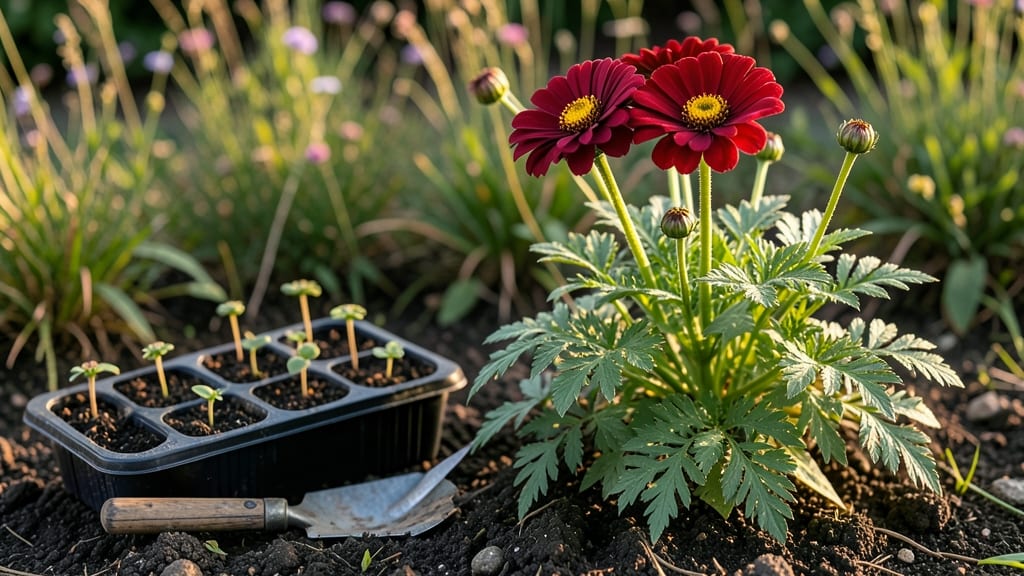
Planting annuals in Wisconsin at the right time means the difference between a vibrant summer garden and a frost-killed disappointment.
Wisconsin’s unpredictable frost patterns can turn a thriving garden into a frozen mess—or help you grow a lush, early harvest. Timing your annuals perfectly means the difference between wilting seedlings and blooming beauty, and this guide breaks down the exact last-frost dates by region so you never guess again.
Most Wisconsin gardeners wait until after the average last frost date, but soil temperature and microclimates matter just as much. In Northern Wisconsin (Zones 3-4), you might not plant until late May, while Southern Wisconsin (Zone 5) can start as early as mid-April.
Below, I’ll walk you through the best planting windows for cool-season and warm-season annuals, how to adjust for frost risks, and which varieties thrive in Wisconsin’s short but sweet growing season.
Wisconsin last-frost dates by region: key planting windows for annuals
Wisconsin's last-frost dates vary dramatically by region—sometimes by weeks—so knowing your exact planting window is critical. The Northern and Driftless areas often face frost until May 20-30, while Southern Wisconsin can safely plant by April 25.
These differences mean tomatoes in Milwaukee might thrive while peppers in Iron County need extra protection.
Your USDA Hardiness Zone (3-5 in Wisconsin) gives a baseline, but microclimates near lakes or valleys can shift frost dates by 1-2 weeks. For example, Lake Michigan regions like Sheboygan warm faster than inland areas.
Always check local weather forecasts 1-2 weeks before your target date to avoid surprise frosts.
Here’s the 2024 average last-frost date breakdown for Wisconsin’s 5 key regions, plus historical variability to help you plan:
| Region | Avg. Last Frost | Earliest Safe Planting | Historical Range | USDA Zone |
|---|---|---|---|---|
| Northern (e.g., Ashland, Hayward) | May 20–30 | June 1–10 (warm-season) | May 5–June 5 | 3b–4a |
| Central (e.g., Madison, Wausau) | May 5–15 | May 20–30 (warm-season) | April 20–May 25 | 4a–4b |
| Southern (e.g., Milwaukee, Janesville) | April 25–May 5 | May 10–20 (warm-season) | April 10–May 15 | 5a–5b |
| Lake Michigan (e.g., Green Bay, Sheboygan) | May 1–10 | May 15–25 (warm-season) | April 15–May 15 | 4b–5a |
| Driftless (e.g., La Crosse, Eau Claire) | May 15–25 | June 1–10 (warm-season) | May 5–June 5 | 4b–5a |
*Warm-season plants (tomatoes, peppers, basil) need soil at 60°F+.
For cool-season annuals like lettuce or kale, you can plant 4–6 weeks before your last frost date. But warm-season crops (think marigolds or zucchini) must wait until soil temperatures hit 55–60°F. Use a soil thermometer to confirm—cold soil delays germination.
Pro tip: First frost dates in fall also matter! Southern Wisconsin averages October 10–20, while Northern areas see frost by September 20–30. Plan your fall planting (like pansies) to bloom before winter sets in.
If you’re starting seeds indoors, begin 6–8 weeks before your last frost. For example, Madison gardeners should sow tomato seeds by March 15, while Ashland gardeners wait until April 15. Harden off seedlings 1–2 weeks before transplanting to avoid shock.
Local microclimates can override regional averages. A south-facing slope warms faster than a shady valley, so adjust your planting by 1 week earlier or later. Use row covers or black plastic mulch to warm soil and extend your planting window by 2–3 weeks in cooler areas.
Track your garden’s frost history for 3–5 years to refine these dates. The Wisconsin State Climatology Office offers free local frost records, or use a home weather station to log data. Over time, you’ll spot patterns—like Lake Michigan’s delayed frosts or valley cold pockets.
Remember: Frost dates are averages, not guarantees. Always have row covers or frost cloth on hand for late-season surprises. With this regional guide, you’ll time your annuals perfectly—no more frozen seedlings
How to adjust planting times for Wisconsin’s microclimates and frost risks
Wisconsin’s microclimates can create wildly different growing conditions just miles apart. A Lake Michigan shoreline might thaw weeks earlier than a Northern forest edge, while valleys hold frost longer than hilltops. Understanding these variations lets you extend your growing season and avoid frost damage to tender annuals.
Start by identifying your local frost-free dates—typically May 15 in Southern Wisconsin but June 1 in the North. Then adjust planting times using cold-hardy annuals like pansies or snapdragons, which can handle light frosts, while tomatoes or peppers need warmer soil.
- 📅 Calculate safe transplant dates by adding 2-3 weeks after your last frost date for heat-loving annuals like marigolds or zinnia.
- 🌱 Start seeds indoors 6-8 weeks before your last frost date for warm-season crops (e.g., basil, petunias) to ensure they’re ready for transplant.
- 🛡️ Use row covers or cold frames to protect tender seedlings and extend the season by 3-4 weeks in early spring or fall.
- ☀️ Warm soil faster with black plastic mulch or straw bales—soil needs to reach 50°F+ for tomatoes and peppers to thrive.
- 📊 Monitor microclimates: South-facing slopes warm up 1-2 weeks earlier than shaded areas, so plant heat-lovers there first.
For Northern Wisconsin, prioritize early-maturing varieties of annuals like cosmos or nasturtiums, which bloom in 50-60 days—perfect for short seasons. In Southern Wisconsin, you can push the envelope with late-summer plantings of sunflowers or marigolds for fall color.
Don’t forget fall planting! Many cool-season annuals, such as pansies or sweet alyssum, thrive when sown in late August for September-October blooms. Use frost cloth to shield them from early October frosts.
Pro tip: Check your USDA Hardiness Zone (Wisconsin ranges from 3-5) and cross-reference with local gardeners’ frost records—your neighbors’ data is often more accurate than averages. With these adjustments, you’ll maximize your Wisconsin growing season and enjoy blooms from spring to frost! 🌷