
Trees
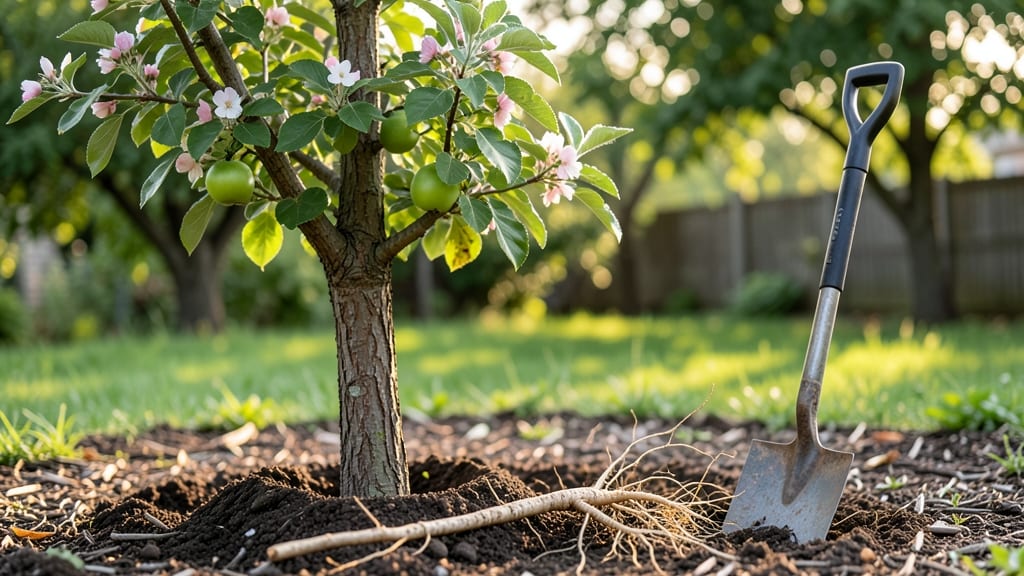
Planting apple trees in Oregon requires timing that matches your USDA zone, microclimate, and variety—miss the window, and you risk frost damage or stunted growth.
Oregon’s diverse climate—from the rainy Willamette Valley to the arid high desert—means planting an 🍎 apple tree at the wrong time can spell disaster for your harvest. Get the timing exactly right with zone-specific deadlines that account for frost pockets, coastal fog, and high-desert heat.
Most gardeners in Zones 7b-9a should plant between late February and early April or September to October, but coastal areas like Astoria can start earlier, while high-desert zones like Bend may need to wait until May.
The key is avoiding late frosts and heat stress, which can derail even the hardiest varieties.
Below, I break down the best planting months for your region, the top disease-resistant varieties that thrive in Oregon, and how to adjust for bare-root vs. container-grown trees. Whether you’re in Portland or southern Oregon, these tips will help you plant with confidence.
Oregon apple tree planting deadlines by USDA Zone & microclimate
Timing is everything when planting apple trees in Oregon. The state’s USDA Zones 6-9 create wildly different conditions—from coastal fog in Astoria to high-desert heat in Bend. Plant too early, and frost will kill tender roots.
Plant too late, and your tree won’t establish before winter. Let’s break down the exact deadlines for each zone and microclimate.
Most Oregon gardeners plant apple trees in fall (September-October) or early spring (March-April). However, coastal areas like Tillamook County can plant up to 4 weeks later due to milder winters.
High-desert zones like Lake County need earlier planting to avoid summer drought stress. Understanding these microclimate adjustments is key to success.
Here’s your zone-by-zone planting schedule, including last frost dates and variety-specific recommendations to maximize your harvest.
For Zone 6 high-desert areas, planting in late September gives roots time to establish before winter’s freezing temperatures. Varieties like Honeycrisp thrive here because they tolerate cold snaps and dry summers.
In contrast, Zone 9’s Mediterranean climate allows planting into December, but avoid late planting if unseasonable frosts are forecasted.
Coastal Zone 8 gardeners should prioritize Arctic Fuji—it’s bred for cooler coastal summers and resists fire blight, a common issue in foggy areas. If you’re in Portland or Salem, aim for early October planting to avoid late spring frosts that can damage blossoms.
Use a frost cloth if temperatures dip below 28°F during bloom time.
Spring planting is a backup option for all zones, but only use bare-root trees—container-grown trees struggle to recover from transplant shock in warm weather. If you miss fall planting, wait until March 15 and plant 2-3 weeks before your last frost date.
Water deeply immediately after planting to encourage root growth before summer heat arrives.
Pro tip: Check soil temperature before planting—ideal temps are 40-50°F. Use a soil thermometer to confirm. In high-desert zones, soil warms faster in spring, so you might plant 2 weeks earlier than valley gardeners.
Always mulch heavily (4-6 inches of straw or wood chips) to retain moisture and regulate soil temperature.
Remember, pollination partners matter! Plant at least two compatible varieties (e.g., Gala + Honeycrisp) unless you choose a self-pollinating variety like Arctic Fuji. Timing your planting ensures both trees bloom simultaneously for optimal fruit set.
With these deadlines, you’ll avoid the most common mistakes Oregon gardeners make—like planting too late in Zone 6 or too early in Zone 9.
Now that you’ve got your planting dates locked in, your next step is choosing the right varieties for your microclimate. Stay tuned for our next section on Oregon’s best apple varieties and their ideal planting months!
Best apple varieties for Oregon’s climate & their ideal planting months
Oregon’s diverse microclimates demand careful variety selection. The Willamette Valley thrives with Gala and Fuji, while high-desert zones favor Granny Smith and Pink Lady. Each variety has unique cold-hardiness and pollination needs that align with Oregon’s USDA Zones 7b-9a.
Bare-root trees plant best in late fall (October) or early spring (March), while container-grown trees offer flexibility until May. The key? Match your variety to your last frost date—Portland’s March 15 vs. Southern Oregon’s April 15.
Oregon Apple Planting: Bare-Root vs. Container
- ✅ Best planted: Oct-Nov or Mar-Apr
- ✅ Cold-hardy: Survives winter dormancy
- ✅ Cost-effective: Cheaper than container-grown
Best for: Willamette Valley, Western Oregon
- ✅ Flexible planting: Until May in most zones
- ✅ Established roots: Faster growth in first year
- ✅ Urban-friendly: Easier to transport
Best for: High desert, Eastern Oregon
For Willamette Valley growers, Honeycrisp and Pink Lady excel with cold-hardiness to 15°F. Pair them with Granny Smith for cross-pollination. In high-desert zones, Fuji and Golden Delicious handle hotter days better but need extra water.
Dwarf varieties like Columnar Gala plant best in spring (April) to avoid winter stress. Standard trees? Fall planting (October) gives roots time to establish before first frost. Always amend soil with compost and mycorrhizal fungus for Oregon’s acidic soils.
Protect young trees with frost cloth in Zone 7b areas. In Zone 9a, focus on shade cloth during summer heat. Pollination partners are non-negotiable—plant two compatible varieties 20-30 feet apart for optimal fruit set.
My top 3 picks for Oregon: Gala (sweet, cold-hardy), Granny Smith (tart, drought-tolerant), and Fuji (crisp, heat-resistant). Time your planting right, and you’ll enjoy homegrown apples for decades! 🍏