
Plants
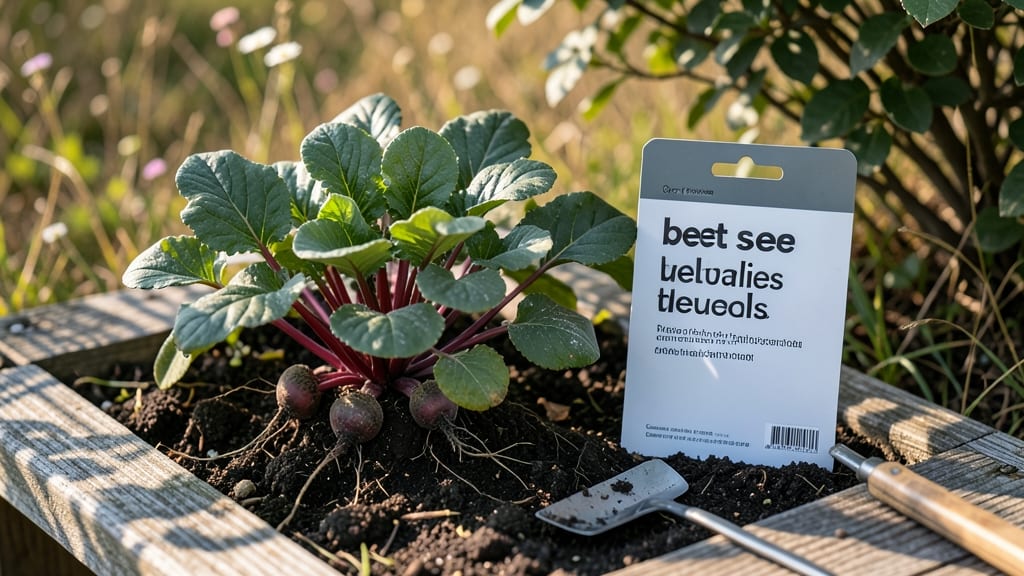
To plant beets in Zone 7a, aim for early spring March 15 or late summer August 15—these windows align with cool soil and avoid the heat that turns roots woody.
If you’ve ever pulled a bitter, tough beet from the garden, you know timing is everything. In Zone 7a, planting too early risks frost damage, while waiting too long means bolting before harvest. The 45- to 70-day window to maturity demands precision.
Spring beets thrive when soil reaches 50°F, while fall crops need to be in the ground by September 1st to mature before frost. Succession planting every 2 weeks keeps your table stocked with sweet, juicy roots all season.
Below, I’ll break down the exact frost-free deadlines, soil prep tips, and how to stretch your harvest with simple tricks—so you never miss a planting window again.
Zone 7a beet planting calendar: exact frost dates and ideal timing
In Zone 7a, where average last frost dates fall around March 15 and first frosts arrive by November 15, timing is everything for growing sweet, tender beets. Planting too early risks bolting (flowering prematurely), while late plantings may produce woody roots before harvest.
Understanding these frost windows lets you align planting with your region’s climate for peak success.
Beets are cool-season crops that thrive when soil temperatures stay between 50°F and 75°F. In Zone 7a, this means focusing on early spring (March–April) and late summer/fall (August–September) plantings.
The key is avoiding the dog days of summer (June–July), when heat stress can turn your harvest into tough, bitter roots.
Pro Tip: Use a soil thermometer to confirm temperatures before planting. Beets need soil that’s at least 50°F for germination, but won’t tolerate prolonged heat above 75°F. This simple check can save you from wasted seeds or stunted growth.
| Planting Window | Soil Temp | Days to Harvest | Key Considerations |
|---|---|---|---|
| Early Spring (March 1–April 15) | 50°F–65°F | 50–70 days | Direct sow after last frost; use row covers if nights dip below 40°F. |
| Late Summer (August 1–September 15) | 60°F–70°F | 45–60 days | Avoid planting after September 15; prioritize heat-tolerant varieties like Detroit Dark Red. |
| Succession Planting (April–September) | 50°F–75°F | 45–70 days | Sow every 2–3 weeks for continuous harvests; stop by mid-August for fall crops. |
| Avoid Planting | Above 75°F | N/A | June–July heat causes bolting; switch to shade-tolerant greens instead. |
For spring plantings, aim to sow seeds 4–6 weeks before your last frost date. In Zone 7a, this typically means starting in early March, but always check your local Almanac’s frost predictions—microclimates (like urban heat islands or sheltered valleys) can shift frost dates by 1–2 weeks.
If you’re unsure, plant a test row in late February to gauge soil readiness.
Fall plantings require even more precision. Beets sown after September 15 in Zone 7a risk exposure to early frosts before maturity. To extend your window, choose fast-maturing varieties (like Babybeat) or use row covers to buy 2–3 extra weeks of growing time.
Harvest before temperatures drop below 40°F to prevent frost damage.
Adjust your planting schedule based on local microclimates. South-facing slopes warm up faster in spring, while low-lying areas may stay cooler longer.
If your garden sits in a frost pocket, delay spring plantings by 1–2 weeks or opt for cold-hardy varieties like Cylindra, which tolerates light frosts better than others.
Succession planting is your secret weapon for continuous harvests. In Zone 7a, sow a new row of beets every 2–3 weeks from March through August. This ensures you’re always pulling fresh, tender roots while avoiding the bolting trap of overcrowded beds.
Just remember: stop succession plantings by mid-August to give fall crops enough time to mature before winter.
Watch for soil temperature spikes in late spring. If your garden heats up beyond 75°F, switch to shade cloth or mulch heavily to keep roots cool. This is especially critical for baby beet varieties, which can bolt in as little as 10 days of consistent heat stress.
Plan ahead for fall storage by timing your last planting to finish harvesting before hard frosts. In Zone 7a, aim to pull beets by October 15 for fresh eating or curing.
For long-term storage, harvest when roots are 2–3 inches wide and cure in a cool, dark place for 1–2 weeks before storing.
Spring vs. fall beet planting in Zone 7a: which season wins for best yields?
When deciding between spring and fall beet planting in Zone 7a, soil temperature and heat tolerance are your biggest allies. Spring planting gives you a head start, while fall offers a second chance for harvests before winter sets in.
Both seasons have distinct advantages—and pitfalls—that directly impact your yield and flavor.
Spring beets planted in March or early April benefit from cooler soil, which prevents the bolting (flowering) that turns roots bitter. Meanwhile, fall plantings in August or September avoid the summer heat that stresses beet plants.
The key? Timing your sowing to align with 50°F soil temperatures and a 45-70 day maturity window.
Spring Planting
- Earlier harvests
- Cooler soil prevents bolting
- Longer growing season
- Risk of late frost damage
- Pests like leaf miners
- Requires succession planting
Fall Planting
- Second harvest opportunity
- Avoids summer heat stress
- Fewer pests in fall
- Shorter growing window
- Requires precise timing
- Frost risk before maturity
For spring plantings, start seeds indoors in February or sow directly in March once soil warms to 50°F. Use succession planting every 2 weeks to stagger harvests from June to July.
In contrast, fall plantings should begin by August 15 to ensure roots mature before the first frost in mid-November.
Heat tolerance is the biggest challenge in Zone 7a. Beets planted in late spring or summer often bolt prematurely, producing small, bitter roots. To mitigate this, choose heat-tolerant varieties like Detroit Dark Red and provide afternoon shade during peak summer months.
Mulching with straw or grass clippings helps maintain even soil temperatures.
Succession planting is your secret weapon for continuous harvests. In spring, sow new seeds every 10-14 days until early May. For fall, extend your harvest by planting every 2 weeks until August 15.
This strategy ensures you always have tender, sweet beets ready to harvest before they bolt or become woody.
If you miss the fall window, don’t despair—cold frames or row covers can push your harvest into early December. Just remember: the goal is to harvest before temperatures drop below 40°F, or your beets will develop a woody texture and lose sweetness.