
Plants
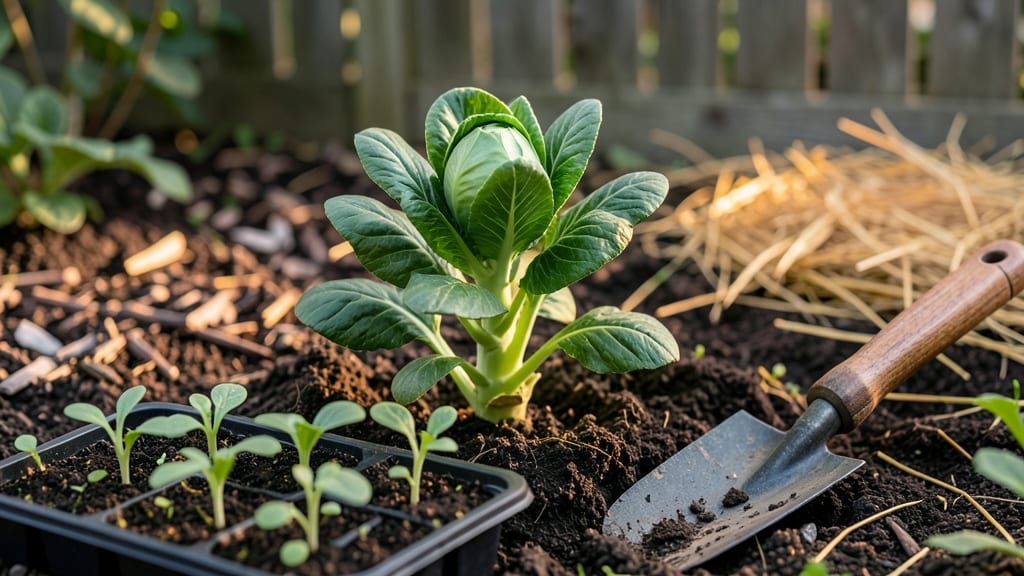
To plant Brussel sprouts in Arkansas, aim for late July to early August for a fall harvest or early April to mid-May for late fall/winter crops—timing that lets them mature before frost hits.
Brussel sprouts thrive in Arkansas’s mild winters, but planting them at the wrong time means bitter-tasting harvests—or worse, no harvest at all. Mastering the perfect window for USDA Zone 7b (and microclimate tweaks) can turn your garden into a year-round sprout powerhouse.
Miss the ideal window, and you risk stunted growth or bolting, especially in Arkansas’s unpredictable spring and fall weather. The key is planting 85-100 days before the first frost, which typically hits around mid-November in most of the state.
Below, I’ll break down the exact deadlines for both fall and spring crops, how to adjust for Arkansas’s microclimates, and the simple tricks to protect young plants from sudden cold snaps or heatwaves.
Brussel sprout planting deadlines in Arkansas: USDA Zone 7b timeline & frost rules
Arkansas’s USDA Zone 7b climate offers a perfect window for growing brussel sprouts, but timing is everything. The Arkansas Agricultural Extension Service recommends planting between late July and early August for a fall harvest or early April to mid-May for a late fall/winter crop.
Miss these windows, and you risk bitter-tasting sprouts or no harvest at all.
Brussel sprouts need 85-100 days to mature, so planting too late means they’ll bolt before frost. Meanwhile, starting too early in spring can lead to stunted growth from Arkansas’s unpredictable summer heat. Understanding your last frost date (mid-November) and first frost date (mid-March) is key to success.
📅 Critical Frost Dates for Arkansas (Zone 7b):
- Average first frost: November 15
- Average last frost: March 15
- Frost-free growing season: ~180 days
For fall harvests, aim to plant 90-100 days before the first frost—typically between mid-August and early September. For spring harvests, plant early April to mid-May to ensure sprouts mature before summer heat sets in. Arkansas’s mild winters also allow for extended harvests through December.
🌱 Summary Table: When to Plant Brussel Sprouts in Arkansas (Zone 7b)
| Planting Window | Method | Soil Temp | Days to Harvest | Harvest Months |
|---|---|---|---|---|
| Late July - Early August | Direct Sow or Transplant | 50-60°F | 90-100 | October - December |
| Early April - Mid-May | Transplant Only | 55-65°F | 90-120 | January - February |
| Mid-August (Succession) | Direct Sow | 50-60°F | 90-100 | November - December |
Direct sowing works best in late July for fall crops, but transplanting in early April gives spring-planted sprouts a head start. Arkansas’s soil temperature must be at least 50°F for seeds to germinate—colder soil delays sprouting and invites rot.
If you’re transplanting, start seeds indoors 6-8 weeks before your target outdoor date. Use biodegradable pots to avoid disturbing roots when moving them outside. Harden off seedlings by exposing them to outdoor conditions for 1-2 hours daily starting two weeks before transplanting.
Arkansas’s humid summers can stress young sprouts, so provide afternoon shade until plants establish roots (~3-4 weeks). Mulch with straw or shredded leaves to retain moisture and regulate soil temperature. Avoid nitrogen-heavy fertilizers late in the season, as they encourage leafy growth over sprout development.
For extended harvests, try succession planting every 2-3 weeks in late summer. This ensures a steady supply of fresh sprouts from October through December. In Zone 7b’s milder winters, some varieties like ‘Long Island Improved’ can even produce edible sprouts into January with protection.
Watch for cabbage worms and aphids, which thrive in Arkansas’s climate. Use row covers or neem oil sprays to protect plants without harsh chemicals. A light frost actually improves flavor, but avoid heavy freezes that damage the plant.
To maximize your harvest, plant brussel sprouts in well-draining soil with a pH of 6.0-7.5. Amend clay-heavy Arkansas soils with compost or sand to prevent waterlogging. Space plants 18-24 inches apart to allow airflow and reduce disease risk.
Microclimate hacks for Arkansas growers: extending the planting season & protecting young sprouts
Arkansas’s diverse geography—from the Arkansas River Valley to the Ozark highlands—creates microclimates that can shift your brussel sprout planting window by 2-4 weeks. In cooler highland areas like Bentonville, you might start seeds 2 weeks earlier than in Little Rock.
Meanwhile, urban heat islands in Fayetteville can push fall planting 10 days later without risking bolting.
Understanding these variations lets you extend harvests or start earlier than traditional July-August windows. For example, a cold frame in the Ozarks can protect seedlings until October 15, while row covers in the Delta might let you plant as late as September 1 for a January harvest.
Microclimate Planting Strategies for Arkansas
Valley Microclimates (e.g., Arkansas River Valley)
- Pro: Warmer temps = later planting (up to Aug 20)
- Pro: Longer growing season for fall/winter harvests
- Con: Higher humidity = fungus risk (use spaced rows)
- Con: Heat stress if planted after Aug 25
Highland Microclimates (e.g., Ozarks)
- Pro: Cooler temps = earlier planting (as early as June 15)
- Pro: Frost protection extends harvests into December
- Con: Shorter growing season = fewer harvest windows
- Con: Cold snaps can damage young plants
Urban Heat Islands (e.g., Little Rock, Fayetteville)
Plant 10-14 days later than rural areas. Use shade cloth to prevent bolting in summer heat.
Low-cost protection methods like row covers (made from frost fabric) can shield seedlings from light frosts down to 25°F. I’ve seen Arkansas farmers in Monticello use these to extend harvests into January by planting in early September.
For wind protection, a simple corn stalk windbreak (3-4 ft tall) works wonders in exposed Delta areas.
Cold frames are another game-changer. A DIY cold frame (wooden box with clear plastic lid) can add 5-10°F of warmth, letting you plant brussel sprouts as late as October 1 in Zone 7a. Just ensure proper ventilation to prevent overheating during Arkansas’s mild winters.
Take inspiration from Jim Davis, a farmer in Eureka Springs who plants two successive crops: one in late July (harvested in November) and another in early September (harvested in January).
His secret? Microclimate mapping—he tracks temperatures in his valley garden vs. his hillside plots using a minimum-maximum thermometer.
To get started, test your microclimate for 2 weeks before planting. Place a thermometer at plant height in your garden and compare it to official weather station data. Adjust your planting timeline based on what you find—you might discover your backyard is 3°F cooler than the city’s recorded temps!