
Plants
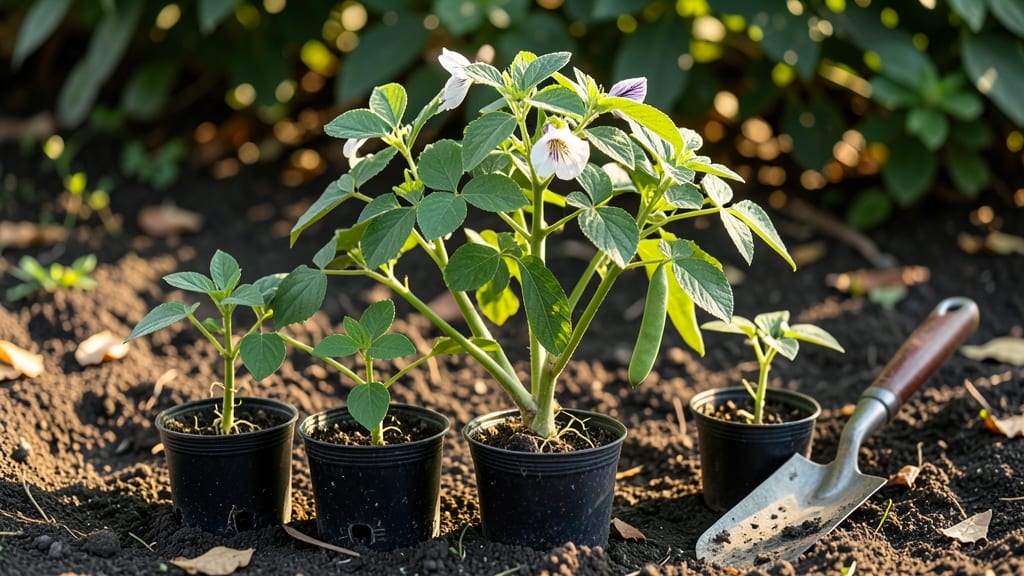
To plant butter beans in North Carolina, wait until after your last frost date—typically mid-April in most zones, but as late as early May in cooler 6b areas.
Butter beans 🌱 love heat, so planting too early means risking frost damage or stunted growth. The key is matching your zone’s frost-free window to their 75-day maturity—start seeds indoors in March for a head start, or direct-sow once soil hits 60°F+.
North Carolina’s varied climate means your timing matters: Piedmont growers can push into early April, while Coastal areas might wait until late March. Succession planting every 2-3 weeks keeps pods coming through October.
Below, I break down exact planting dates by zone, soil prep tips, and how to spot the perfect moment—because a few weeks can mean the difference between a garden full of beans and a few sad pods.
NC butter bean planting calendar by USDA Zone: exact dates for peak yield
North Carolina’s USDA Zones 7a-8b offer perfect conditions for butter beans, but timing your planting is everything. These heat-loving legumes need consistent warmth—planting too early in Zone 7a risks frost damage, while waiting too long in Zone 8b shortens your harvest window.
My exact frost-free deadlines below ensure you maximize your yield by matching local climate patterns.
Butter beans thrive when soil temperatures reach at least 60°F. In Zone 7a, this typically aligns with mid-April, while Zone 8b gardeners can start as early as late March. I’ve included both direct sowing and indoor seed-starting windows to help you choose the best approach for your microclimate.
🌱 Pro Tip: Use succession planting every 2-3 weeks after your first planting to stretch your harvest from July through October. This works especially well in Zone 8b, where the growing season lasts longer.
For direct sowing outdoors, I recommend planting seeds 1 inch deep and 3-4 inches apart in rows spaced 18-24 inches apart. This spacing gives your butter beans room to climb their trellis or grow into bushy plants, depending on the variety.
In Zone 8b, you can even experiment with fall plantings in late summer for a second harvest before frost.
If you’re starting seeds indoors, use biodegradable pots to avoid transplant shock. Begin seeds 4-6 weeks before your last frost date in cooler zones (like Zone 7a) and 1-3 weeks before in warmer zones (like Zone 8b).
Harden off seedlings for 7-10 days before transplanting to acclimate them to outdoor conditions.
🌿 Microclimate Adjustments: Coastal areas in Zone 8b may experience earlier soil warming, while mountain regions in Zone 7a might need to wait until May. Always check your local NC State Extension frost dates for the most precise timing.
Butter beans are drought-sensitive when young, so keep soil consistently moist until they establish. Once mature, they tolerate drier conditions but still need 1-2 inches of water weekly. In Zone 8b’s intense summer heat, mulch heavily to retain moisture and prevent soil from drying out too quickly.
🌱 Harvest Tip: Butter beans are ready to harvest when pods reach 4-6 inches long and are creamy-yellow in color.
In Zone 7a, your first harvests will likely start in mid-July, while Zone 8b gardeners can enjoy beans as early as June and as late as October with proper succession planting.
To extend your harvest, try shade cloth in late summer to protect plants from heat stress, especially in Zone 8b. This simple trick can buy you an extra 2-3 weeks of productive growth before the first frost arrives.
Signs your NC butter beans are ready to plant (and what to avoid)
Butter beans need warm soil to thrive, and planting them too soon can stunt growth or invite pests. The key is waiting until your soil temperature hits 60°F or warmer—this ensures strong root development and faster germination.
In Zone 7a, this usually means waiting until mid-April to early May, while Zone 8b gardeners can plant as early as late March if the ground is ready.
Don’t rely solely on calendar dates—test your soil with a soil thermometer (insert it 2 inches deep) to confirm readiness. Butter beans also prefer moist but well-draining soil, so water the area lightly 24 hours before planting to settle the soil without creating mud.
Overly wet soil can suffocate seeds, so aim for a damp sponge-like texture when squeezed.
⚠️ callout warning ⚠️
⚠️ Critical Mistakes to Avoid in NC
- Zone 7a: Planting before last frost (mid-March) risks frost damage—wait for consistent 60°F+ soil.
- Zone 8b: Ignoring late-summer heat (above 90°F) can stress plants—opt for shade cloth or succession planting.
- All Zones: Skipping soil prep (compost + mulch) leads to poor drainage and stunted growth.
🌱 Pro Tip: Use black plastic mulch to warm soil faster in cooler zones.
Watch for sprouting signs like tiny leaves breaking through the soil within 7–10 days. If your seeds take longer than 2 weeks to sprout, the soil may be too cold—cover the area with a row cover to retain heat.
In humid NC summers, ensure good airflow by spacing plants 3–4 inches apart and thinning seedlings to 6 inches once they’re 3 inches tall.
Another red flag is yellowing leaves after planting, which often signals overwatering or compacted soil. Butter beans hate soggy roots, so amend clay-heavy soil with compost or sand to improve drainage.
If your garden bed is in partial shade (e.g., near a fence), consider trellising to maximize sunlight exposure for vining varieties.
For succession planting in NC, sow new seeds every 2–3 weeks until mid-July to extend your harvest. This works especially well in Zone 8b, where the growing season lasts longer. Just avoid planting after August 15—young plants won’t mature before the first frost in October.
Finally, observe your neighbors’ gardens—if their sweet potatoes or okra (both heat-lovers) are thriving, your butter beans are likely ready too. These plants share similar temperature preferences, making them reliable climate indicators.
With these signs in mind, you’ll nail the perfect planting window for bushy, productive butter bean plants all season long. 🌿