
Plants
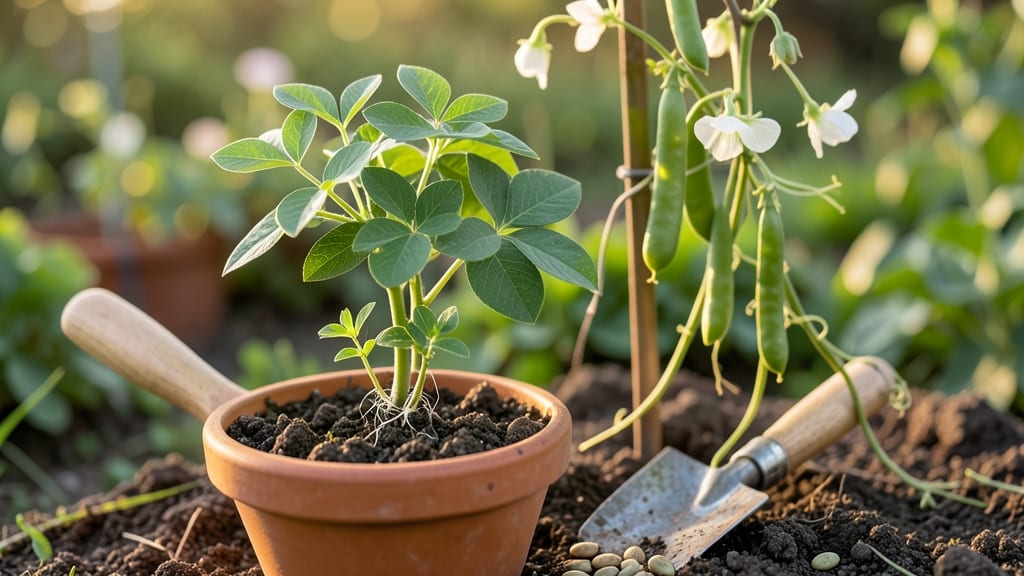
To plant green beans in North Texas, aim for March 15–April 30 in spring and August 1–September 15 in fall when soil warms to 60°F—any earlier risks heat stress, and late plantings may not mature before frost.
North Texas gardeners know timing is everything—plant green beans too early, and they’ll bolt in the heat; too late, and you’ll miss the sweet harvest before winter. But with the right schedule and heat-tolerant varieties, you can enjoy a bountiful harvest all season long.
Spring plantings thrive in Zone 8a if you start after the last frost date (around March 15), while fall plantings work best in August when temperatures begin to cool.
Microclimates like the Hill Country or East Texas may shift these windows by 1–2 weeks, so adjust based on your local frost patterns.
Discover the best heat-resistant varieties, succession planting tips for continuous harvests, and how to avoid common mistakes that kill yields—so you can enjoy fresh green beans from June through November.
Best planting times for green beans in North Texas (by variety)
North Texas gardeners face a unique challenge: extreme heat and short growing seasons. Green beans thrive in cooler temperatures but can tolerate heat if planted at the right time. The key is timing your plantings to avoid bolting (premature flowering) or heat stress.
For North Texas (USDA Zone 8a), the best windows are early spring and late summer, with heat-tolerant varieties extending your harvest.
Most green beans prefer soil temperatures between 60°F and 85°F. In North Texas, this means waiting until after the last frost date (March 15) for spring plantings and starting late summer plantings (August 1) to avoid 100°F+ temperatures.
The Hill Country and East Texas regions may have slight variations, but these general guidelines apply to most areas.
Here’s how to align your planting with North Texas’ climate for maximum yields and sweet, tender pods. The table below breaks down bush beans (compact, no trellis needed) and pole beans (climbing, need support) by planting window and variety recommendations.
| Variety Type | Planting Window | Soil Temp Requirement | Heat Tolerance | Days to Harvest | Notes |
|---|---|---|---|---|---|
| Bush Beans (e.g., 'Blue Lake', 'Contender') | March 15 - April 30 (Spring) | 60°F - 75°F | Moderate (struggles above 90°F) | 50 - 60 days | Ideal for cool spring harvests. Use row covers if late frost risk. |
| Bush Beans (e.g., 'Dry Bean', 'Rattlesnake') | August 1 - September 15 (Fall) | 65°F - 80°F | High (handles late-summer heat) | 55 - 65 days | Best for fall harvests. Plant in partial shade if temps exceed 95°F. |
| Pole Beans (e.g., 'Kentucky Wonder', 'Blue Lake Pole') | March 15 - April 15 (Early Spring) | 60°F - 70°F | Moderate (needs trellis for airflow) | 60 - 70 days | Taller varieties need 6-foot trellises. Harvest continuously to encourage growth. |
| Pole Beans (e.g., 'Scarlet Runner') | August 15 - September 1 (Late Summer) | 70°F - 85°F | Very High (ornamental + edible) | 70 - 80 days | Drought-tolerant and heat-resistant. Perfect for succession planting. |
| Heat-Tolerant Varieties (e.g., 'Lush', 'Tendergreen') | April 1 - May 15 (Late Spring) OR July 15 - August 10 (Early Fall) | 70°F - 90°F | Extreme (thrives in 100°F+) | 50 - 60 days | Best for extended harvests. Plant in afternoon shade if possible. |
For spring plantings, aim to harvest before June 1 when temperatures consistently exceed 90°F.
If you miss the spring window, late summer plantings (August) can yield a second harvest before the first frost (November 15). Succession planting every 2 weeks in spring or 3 weeks in fall ensures a continuous supply of fresh pods.
North Texas’ microclimates matter—East Texas (warmer, more humid) can handle slightly later spring plantings, while the Hill Country (hotter, drier) benefits from earlier fall starts.
Always check your local frost dates and adjust by 1-2 weeks if your area varies. Mulch heavily with straw to retain moisture and cool roots during heatwaves.
Pro tip: If you love fresh green beans, try interplanting with radishes or lettuce in spring. The lettuce will shade the soil, keeping it cooler for the beans. In fall, pair them with kale or spinach for a cool-season salad mix. Just avoid planting near potatoes or onions, as they compete for nutrients.
Remember, patience is key—green beans need consistent moisture and well-draining soil. If you rush planting, you’ll risk bitter, fibrous pods. Stick to the optimal windows, and you’ll enjoy crisp, sweet green beans straight from your North Texas garden all season long.
🌱
How to choose heat-tolerant green bean varieties for North Texas heat
North Texas summers can push temperatures past 100°F, making traditional green bean varieties struggle or bolt prematurely. The key to success lies in selecting heat-tolerant varieties that thrive under these conditions. These varieties are bred to handle high temperatures and dry spells while still producing abundant, flavorful pods.
When choosing varieties, consider your garden’s microclimate—whether you’re in the Dallas-Fort Worth metroplex, the Hill Country, or East Texas.
Urban areas often experience heat islands, while rural zones may have cooler nighttime temperatures. Pole beans generally handle heat better than bush beans, but some bush varieties are also excellent choices.
Heat-tolerant varieties often share traits like waxy pod coatings, deep root systems, and slower maturation rates to avoid bolting. Below, I’ve highlighted the top 5 varieties that consistently perform well in North Texas’ extreme climate, along with their unique advantages.
| Variety | Type | Heat Tolerance | Days to Maturity | Best For |
|---|---|---|---|---|
| Contender | Pole Bean | Excellent (9/10) | 55-60 days | Long harvests, urban gardens |
| Dry Bean | Bush Bean | Very High (10/10) | 50-55 days | Drought-prone areas, containers |
| Rattlesnake | Pole Bean | High (8/10) | 60-65 days | Rural gardens, trellises |
| Blue Lake 274 | Bush Bean | Good (7/10) | 50-55 days | Early spring/fall plantings |
| Henderson | Pole Bean | Very High (9/10) | 60-65 days | Late summer plantings |
For urban gardeners with limited space, ‘Contender’ pole beans are a fantastic choice. They produce long, straight pods perfect for trellises or cages, and their waxy coating helps retain moisture during 100°F+ days.
If you’re dealing with drought conditions, ‘Dry Bean’ is a bush variety that thrives with minimal water once established.
In rural areas like the Hill Country, where nighttime temperatures drop significantly, ‘Rattlesnake’ pole beans excel. Their deep root systems help them access moisture, and they produce hearty pods even when daytime highs exceed 95°F.
For late summer plantings (August-September), ‘Henderson’ is a top performer, as it matures quickly and handles residual summer heat.
When selecting varieties, also consider your harvest goals. Bush beans like ‘Blue Lake 274’ are ideal for quick harvests and succession planting, while pole beans offer extended harvest windows if properly trellised.
Always check seed packets for days to maturity and align them with your North Texas planting windows.