
Plants
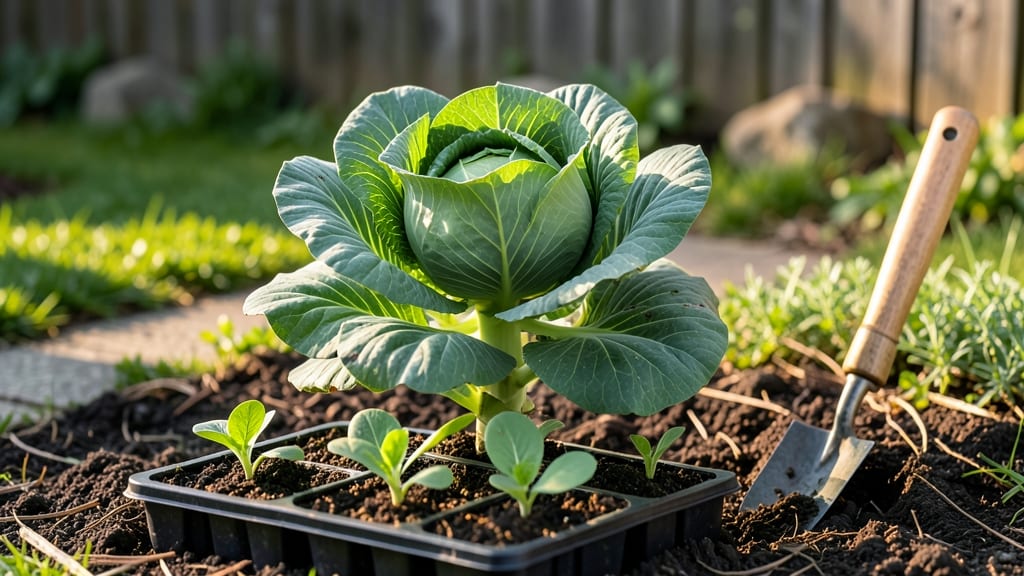
Planting cabbage in California at the right time means the difference between a crisp, sweet harvest and a bitter, bolted mess.
California’s diverse microclimates—from foggy coastal regions to sunbaked Central Valley—mean cabbage planting timing can make or break your harvest. Plant too early, and bolting ruins your heads; too late, and pests or heat stress take over.
For coastal areas like San Francisco or Santa Barbara, you’ve got flexibility: fall (September–October) or early spring (February–March) work well, with mild winters letting you grow year-round. Inland zones like Sacramento or Fresno? Stick to cool-season windows—bolting is a real threat when temps creep above 75°F.
Below, I break down the exact planting windows by region, the best varieties for your microclimate, and how to avoid the #1 mistake that turns heads into bitter leaves.
Optimal cabbage planting windows by California region (coastal vs. valley)
California’s coastal and inland regions have dramatically different cabbage-growing conditions. Coastal areas like San Francisco and Santa Barbara enjoy mild winters and cool summers, while inland valleys like Sacramento and Fresno experience hotter summers and colder winters.
These differences mean your planting schedule must adapt—or risk bolting, pests, or poor head formation.
In coastal zones, you can plant year-round with minimal frost risk, but fall and spring remain ideal. Inland growers must time transplants carefully to avoid heat stress (above 85°F) and early bolting.
The key? Understanding your last frost date (coastal: none; inland: December–February) and heat tolerance thresholds for your chosen varieties.
📅 Pro Tip: Coastal cabbage thrives with 60–75 days to maturity before summer heat arrives, while inland varieties need 50–60 days to form heads before temperatures spike. Use this comparison table to align your planting with your region’s unique climate.
| Factor | Coastal (San Francisco/Santa Barbara) | Inland (Sacramento/Fresno) |
|---|---|---|
| Last Frost Date | None (year-round frost-free) | December–February |
| Ideal Planting Windows | September–October (fall) & February–March (spring) | September–October (fall only; avoid spring heat) |
| Heat Tolerance Threshold | Up to 75°F (cooler summers) | Below 85°F (hot summers limit growth) |
| Transplant Window for Head Formation | 60–75 days before summer heat (by May) | 50–60 days before 85°F+ (by April) |
| Best Varieties | ‘Winterbor’, ‘Golden Acre’ (cold-hardy) | ‘Cavalo’, ‘Red Express’ (heat-tolerant) |
| Soil Prep Tip | Add compost for moisture retention | Use mulch to cool roots in summer |
For coastal gardeners, focus on fall transplants (September–October) to ensure heads mature before summer’s mild heat. Start seeds indoors 6–8 weeks before transplanting to give seedlings a head start. In San Francisco, you can even plant year-round with shade cloth during summer’s occasional 80°F+ days.
Inland growers in Sacramento or Fresno must prioritize fall planting (September) to avoid spring’s 90°F+ temperatures, which trigger bolting. Succession planting every 2–3 weeks in fall extends your harvest window. Use shade cloth (30–50%) if transplanting in late spring to protect young plants.
Both regions benefit from well-draining soil with a pH of 6.0–7.0. Amend clay soils with compost to prevent waterlogging, which causes rot. Coastal areas can afford richer soil, while inland gardens need extra organic matter to retain moisture during summer dry spells.
Watch for cabbage worms and aphids, which thrive in both climates. Neem oil or row covers are your best defenses. Inland gardens may also face cabbage loopers, so inspect leaves regularly for white frass (droppings).
Harvest coastal cabbage December–February for fall crops and May–July for spring plantings. Inland harvests peak January–March from fall plantings—avoid spring harvests, as heat stress ruins flavor and texture.
How to adjust planting for late bolting in California’s unpredictable spring
California’s March and April weather can swing from chilly coastal fog to unexpected heatwaves, leaving gardeners scrambling to prevent bolting in cabbage. When temperatures rise above 70°F (21°C), your plants may bolt prematurely, turning bitter and unusable.
The key is to adjust your planting strategy based on soil warmth, shade needs, and variety selection.
Start by monitoring soil temperatures—ideal planting occurs when soils are between 45–55°F (7–13°C). Use a soil thermometer to check before committing to outdoor planting. In inland areas like Sacramento, wait until late February or early March, while coastal regions like Santa Barbara can start as early as January.
This timing helps avoid the heat stress that triggers bolting.
- Heatwaves above 75°F (24°C) can cause bolting in 2–3 weeks.
- Daylength increases in March, accelerating flowering in sensitive varieties.
- Drought stress from inconsistent watering triggers premature bolting.
Choose bolting-resistant varieties like ‘Golden Acre’ or ‘Red Express’, which tolerate warmer soils better than standard green cabbage. For coastal gardens, opt for ‘Winterbor’, which handles cooler springs without bolting. Inland gardeners should prioritize ‘Cavalo’, a heat-tolerant Italian heirloom that matures faster before summer heat sets in.
Implement succession planting in 2–3 week intervals to stagger maturity. For example, plant half your seeds in late February and the rest in early April. This ensures a continuous harvest while minimizing bolting risks.
Use black plastic mulch to warm soils faster in cooler inland areas, helping seedlings establish before spring heat arrives.
Water deeply in the morning to maintain consistent moisture, which prevents drought stress—a common bolting trigger. Aim for 1–1.5 inches of water per week, adjusting for rainfall. Mulch with straw or wood chips to retain soil moisture and regulate temperatures.
Avoid overhead watering, which can spread fungal diseases like downy mildew, weakening plants and increasing bolting risks.
If you’ve already planted and notice tall stems or yellowing leaves, act fast. Prune flower stalks immediately to redirect energy to head formation. For severe cases, consider shade cloth or moving pots to a partially shaded spot until temperatures drop.
With these adjustments, you’ll outsmart California’s unpredictable spring and enjoy crisp, bolting-free cabbage heads all season.