
Plants
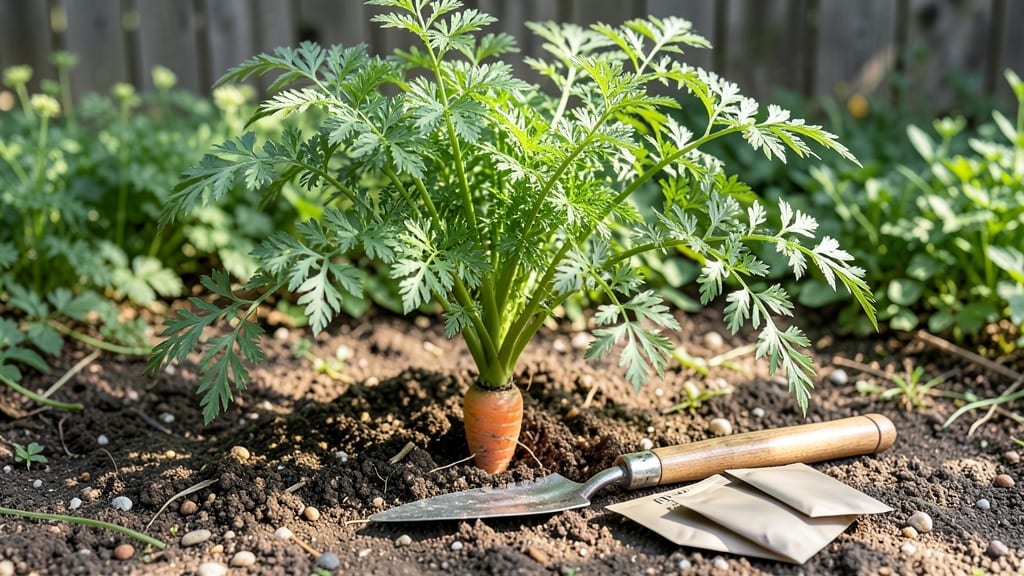
Planting carrot seeds in Zone 7 at the right time means the difference between sweet, crisp roots and bitter, woody failures—especially when heat triggers bolting before harvest.
Most gardeners in Zone 7 rush spring planting, only to watch their 🥕 tops flower and roots turn tough by summer. The secret isn’t just the calendar—it’s soil temperature, frost dates, and avoiding those long daylight hours that send carrots into premature bloom.
Here’s the exact window to aim for: early spring (March–April) when soil hits 50°F, and a late-summer second planting (July–August) to beat the heat.
I’ll break down the best varieties for your zone, how to time shade cloth for bolting prevention, and why your first frost date matters more than you think.
You’ll also learn how to space seeds for straight roots, the one trick that doubles your harvest, and when to stop watering before fall’s first chill. No more guesswork—just a foolproof schedule for Zone 7’s climate.
Optimal planting windows for carrots in Zone 7 (with exact dates)
Getting your carrot seeds in the ground at the right time in Zone 7 means the difference between sweet, crisp harvests and bitter, woody failures. The key lies in two distinct windows: early spring and late summer, each with specific soil temperature and frost date requirements.
For example, in Richmond, VA, your last frost date is around April 15, while in Dallas, TX, it’s closer to March 15—a difference that can ruin your timing if you’re not precise.
Carrots thrive when soil temperatures stay between 45°F and 85°F. Below 45°F, germination slows dramatically, and above 85°F, they bolt (flower prematurely), turning roots bitter. In Zone 7, this means avoiding late spring heat and early fall warmth—both common bolting triggers.
Let’s break down the exact windows and how to calculate them for your specific location.
| Planting Window | Soil Temp Range | Frost Considerations | Best Varieties | Harvest Window |
|---|---|---|---|---|
| Early Spring (March 15–April 15) | 50°F–65°F | After last frost (April 15 in Richmond, March 15 in Dallas) | 'Danvers Half Long', 'Nantes' | June–October |
| Late Summer (July 15–August 15) | 60°F–75°F | Before first frost (October 15) | 'Paris Market', 'Chantenay' | October–November |
| Succession Planting (Every 2–3 Weeks) | 50°F–75°F | Avoid planting after August 1 for fall crops | All varieties (rotate types) | Continuous harvests |
For spring planting, start seeds indoors 4–6 weeks before your last frost date if you’re using slow-germinating varieties like ‘Danvers’. Direct-sow outdoors once soil reaches 50°F—use a soil thermometer to confirm.
In Zone 7’s northern edge (e.g., Richmond), aim for mid-March starts, while in southern Zone 7 (e.g., Dallas), you can begin as early as late February.
Your late summer window is trickier because it’s a race against bolting and first frost. Plant seeds by July 15 to ensure roots mature before temperatures drop. Use shade cloth if daytime highs exceed 85°F—even for just a few hours—to prevent bolting.
Varieties like ‘Paris Market’ mature faster (in 50–60 days) and are ideal for this window.
To calculate your exact planting dates, check your local USDA Plant Hardiness Zone map and adjust for microclimates. For example, Dallas, TX (Zone 7b) can plant 2 weeks earlier than Richmond, VA (Zone 7a) due to warmer soil.
Use a frost calendar from your local cooperative extension service for precise frost dates—these can vary by 7–10 days even within the same zone.
For continuous harvests, practice succession planting: sow seeds every 2–3 weeks from spring through early summer. This ensures a steady supply of fresh carrots without overwhelming your garden.
Space seeds 1/4 inch apart and thin seedlings to 2–3 inches apart once they’re 2 inches tall—thinning prevents competition and reduces forking.
One common mistake is planting too late in spring or too early in fall. If you miss the April 15 window, your carrots may bolt before maturing. Similarly, planting after August 1 risks roots not reaching harvest size before frost.
Use row covers to extend your fall window by 2–3 weeks, but remove them during the day to prevent overheating.
Pro tip: Test your soil’s pH (6.0–7.0) and drainage before planting. Carrots hate soggy soil—amend heavy clay with compost or sand to prevent forking. Mulch with straw to retain moisture and suppress weeds, which can compete with young seedlings for nutrients.
Finally, keep an eye on day-length triggers. Carrots bolt when daylight exceeds 14–15 hours. In Zone 7, this happens in late June, so avoid planting after this date unless you’re using bolting-resistant varieties or providing afternoon shade.
How to avoid carrot bolting in Zone 7’s heat (science-backed tricks)
Carrots in Zone 7 bolt when exposed to long daylight hours and heat stress, turning sweet roots into bitter, woody messes. The key to preventing this is understanding your planting window and using science-backed tricks like shade cloth and soil moisture control.
Let’s dive into the best strategies to keep your carrots growing roots—not flowers!
Bolting typically happens when carrots experience 14+ hours of daylight or soil temperatures above 85°F. In Zone 7, this means avoiding late spring and summer plantings unless you take precautions.
The best time to plant is early spring (March-April) or late summer (July-August), but even then, you’ll need to monitor conditions closely.
PROS-CONS BOX: When to Plant Carrot Seeds in Zone 7
✅ Low bolting risk
✅ Cool soil temps
✅ Ideal for long roots
❌ Slow germination in cold soil
✅ Avoids peak heat
✅ Shorter daylight hours
✅ Fast harvest before frost
❌ Higher bolting risk if too late
❌ Bolting likely
❌ Soil too hot
❌ Long daylight hours
✅ Use shade cloth if planting
✅ Safe for sowing
✅ Cool temps prevent bolting
✅ Good for succession planting
❌ Limited harvest window
To prevent bolting, choose heat-tolerant varieties like ‘Danvers Half Long’, which handles longer daylight better than ‘Nantes’. If planting in May or June, use 30-50% shade cloth to reduce light exposure and keep soil temperatures below 80°F.
Water deeply in the morning to maintain even moisture—drought stress triggers bolting faster than heat alone.
Another trick is to succession plant every 2 weeks in spring and fall. This ensures a continuous harvest before the heat of summer forces bolting. For example, plant March 1, March 15, and April 1 to stagger maturity and avoid the high-risk June window.
Mulch with straw or grass clippings to keep soil cool and retain moisture.
If you notice flower stalks emerging, act fast! Cut them off at the base and focus on harvesting mature roots immediately. The remaining carrots may still grow, but their quality will suffer. For next year, mark your Zone 7 planting calendar with these science-backed windows to avoid bolting entirely.
With these tricks, you’ll enjoy sweet, crunchy carrots all season long—no bitter surprises! Start with the right varieties, timing, and shade strategies, and your Zone 7 garden will reward you with a bountiful harvest. 🥕