
Vegetables
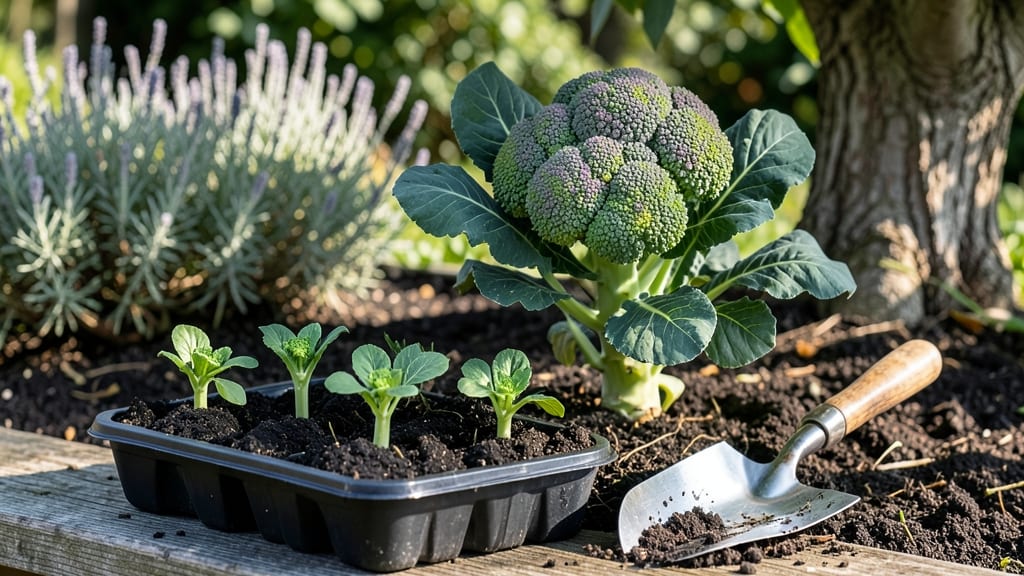
Planting fall vegetables in Zone 5 means timing your seeds 4-6 weeks before the first frost—or risking a harvest cut short by a sudden chill.
Picture this: you’ve spent all summer nurturing your garden, only to watch your hard work wither overnight when a late frost hits.
In Zone 5, where the first frost typically arrives around mid-October, those 🥬 greens and root crops need just the right window to thrive before winter sets in.
Most gardeners in Zone 5 know the basics—kale, spinach, and carrots love cooler weather—but the devil is in the details. Soil temperature, microclimates, and even your garden’s exposure to wind can shift those deadlines by weeks.
Without the right adjustments, you might be left with stunted plants or, worse, nothing to harvest at all.
In this guide, I’ll break down the exact planting dates for your favorite fall crops, how to tweak them for your specific microclimate, and simple hacks to extend your growing season. By the end, you’ll know exactly when to plant for a reliable harvest—no guesswork, no wasted seeds.
Zone 5 fall planting deadlines by vegetable type: avoid late-season failures
Fall gardening in Zone 5 rewards patience with crisp harvests, but timing is critical. A late planting can leave your kale bolted or your carrots frozen in the ground. The key?
Planting 4-6 weeks before your first frost (typically mid-August to early September in most of Zone 5) ensures crops mature before winter sets in. But not all vegetables play by the same rules—leafy greens tolerate cooler temps, while root crops need extra time to bulk up.
Your first-frost date is your deadline anchor, but microclimates can shift it by weeks. Urban areas often stay warmer due to heat islands, while north-facing slopes may freeze earlier.
For example, if your yard sits in a cold microclimate, plant broccoli by August 1st instead of waiting until mid-month. Adjustments like these mean the difference between a bountiful harvest and a winter disappointment.
Below, I’ve broken down last-planting deadlines for 10 essential fall vegetables, including their harvest windows and microclimate tweaks. Use this as your fall planting checklist to avoid common mistakes like planting spinach too late or skipping soil prep for potatoes.
| Vegetable | Last Planting Deadline (Zone 5) | Days to Maturity | Microclimate Adjustment | Harvest Window |
|---|---|---|---|---|
| Kale | September 1–15 | 30–60 days | Urban: +7 days | Cold slopes: -7 days | October–November (tolerates light frost) |
| Spinach | August 15–September 1 | 30–45 days | Urban: +5 days | Windy areas: -5 days | September–October (bolt-resistant varieties) |
| Carrots | July 15–August 15 | 60–75 days | Loamy soil: +10 days | Rocky soil: -10 days | September–November (before hard freeze) |
| Broccoli | August 1–15 | 50–70 days | South-facing: +7 days | North-facing: -7 days | September–October (before heads yellow) |
| Lettuce | August 15–September 1 | 30–50 days | Shady spots: +5 days | Hot microclimates: -5 days | September–October (cut-and-come-again) |
| Radishes | August 15–September 10 | 25–30 days | Urban: +7 days | Rural: -7 days | September–October (fast harvest) |
| Potatoes | April 15–May 1 (or September 1 for storage types) | 90–120 days | Well-drained soil: +10 days | Wet soil: -10 days | October–November (cure before storing) |
| Beets | July 15–August 15 | 50–60 days | Loose soil: +5 days | Compacted soil: -5 days | September–October (before hard freeze) |
| Turnips | July 30–August 15 | 45–60 days | Urban heat: +5 days | Cold nights: -5 days | September–November (both greens and roots) |
| Peas |
How to extend your fall gardening season with simple hacksFall gardening in Zone 5 doesn’t have to end with the first frost. With the right season-extending hacks, you can push your harvest window by 4-8 weeks or more. Whether you're growing kale, carrots, or spinach, these low-cost strategies will keep your garden productive well into winter. The key is combining soil warmth, protective barriers, and smart planting timelines. For example, a simple $20 row cover can add 2-4 weeks of growing time, while a cold frame might extend your season by 6-8 weeks at minimal extra cost. Let’s break down the best options and their cost-benefit tradeoffs. 🌱 Season-Extending Hacks: Pros & Cons🛡️ Row Covers
🏗️ Cold Frames
🔥 Soil Warming
🌱 Succession Planting
For Zone 5 gardeners, the most budget-friendly hack is succession planting. By staggering plantings every 2 weeks from mid-August to mid-September, you’ll have a steady supply of leafy greens and radishes without spending extra. Pair this with black plastic mulch to warm the soil—this combo can shave off 1-2 weeks from your harvest timeline. If you’re willing to invest a little more, row covers are my top recommendation for leafy vegetables. They’re lightweight, easy to use, and can protect your spinach or kale from light frosts down to 20°F. Just remember to remove them on warm days to prevent overheating. For root crops like carrots or beets, a cold frame is worth the upfront cost—it’s like having a mini greenhouse that keeps your soil 10–15°F warmer than ambient temperatures |