
Plants
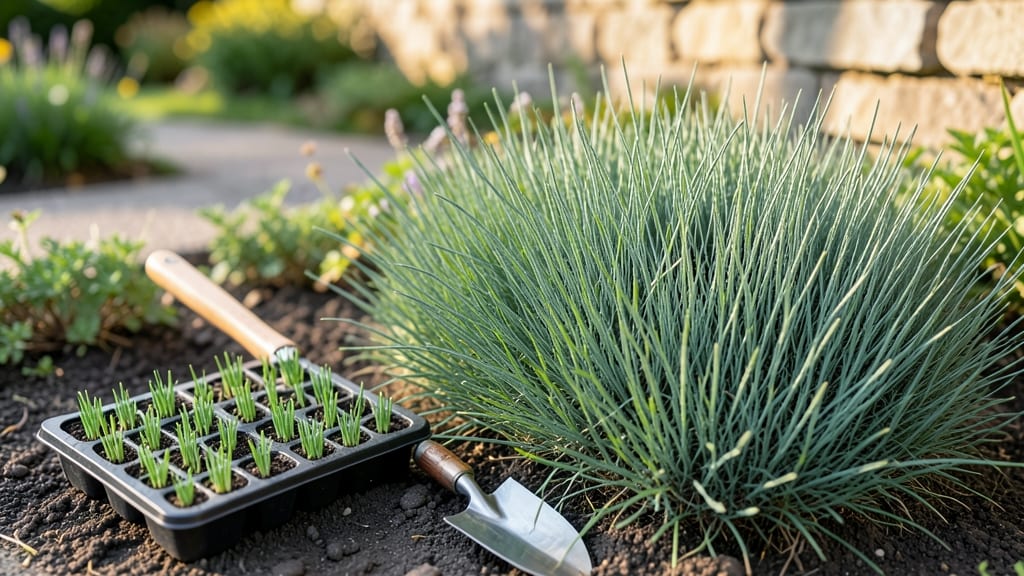
Planting fescue grass in North Texas between late summer and early fall is your best bet for a lawn that thrives through the region’s brutal heat and cold shifts.
North Texas gardeners know timing is everything—plant fescue too early, and it struggles with summer heat; too late, and winter frosts can damage young grass. The ideal window of August through October lets the grass establish deep roots before the first frost hits around mid-November.
This period also avoids the scorching summer months when new grass can’t compete with drought stress. Whether you’re seeding a new lawn or overseeding an existing one, getting the timing right means fewer brown patches and more resilient growth come spring.
Below, I’ll break down the exact months to aim for, soil prep tips for North Texas’ variable climate, and how to adjust for late-season planting if needed.
Best months to plant fescue grass in North Texas for optimal root establishment
North Texas gardeners face a unique challenge when planting fescue grass—the region’s sweltering summers and freezing winters demand precise timing. Planting too early risks heat stress, while waiting too long exposes young grass to early frosts.
The ideal window balances these extremes, giving fescue the 4-6 weeks it needs to establish deep roots before winter dormancy.
For North Texas (USDA Zones 7b-8a), the best months to plant fescue are late August through October, when soil temperatures hover between 60–75°F. This range allows seeds to germinate quickly while avoiding the 100°F+ heat of July or the frost risks after mid-November.
Let’s break down why these months work best and what to watch for.
📋 Key Considerations:
- Soil temp: 60–75°F (critical for germination)
- Avoid: Planting when temps exceed 85°F (stresses seeds)
- Goal: Root depth of 4–6 inches before first frost
| Planting Window | Soil Temp (°F) | Weather Risks | Root Establishment |
|---|---|---|---|
| Late August | 70–80°F | Late-summer heatwaves | Moderate (water deeply) |
| September | 65–75°F | Ideal (cooler nights) | Optimal (4–6 weeks) |
| Early October | 60–70°F | Early frost risk | Strong (pre-winter roots) |
| November | Below 60°F | High frost risk | Limited (not recommended) |
September stands out as the golden month for planting fescue in North Texas. During this time, daytime highs remain comfortable (typically 85–95°F), while nighttime lows drop into the 60s°F. This temperature swing mimics fescue’s native cool-season preferences, encouraging rapid germination and root growth.
Additionally, September’s moderate rainfall reduces the need for supplemental irrigation, giving seeds the moisture they need without over-saturating the soil.
If you’re considering late August planting, be prepared for intense afternoon heat. Seeds planted in August must receive daily deep watering (1–1.5 inches) to prevent desiccation. Use a light mulch (straw or peat moss) to retain moisture and shield seeds from direct sunlight.
Monitor soil moisture closely—overwatering can suffocate seeds, while underwatering halts germination.
For those who miss the September window, early October can still work, but with adjustments. Choose a cold-hardy fescue blend (e.g., tall fescue varieties like ‘Kentucky 31’ or ‘Baron’) and plant at least 6 weeks before the average first frost (typically mid-November in North Texas).
Apply a light nitrogen fertilizer (e.g., 10-10-10) after planting to boost early growth. If frost arrives before roots establish, consider protective mulching with straw.
Planting fescue in October or later is risky but possible with cold-hardy varieties and protective measures. Young grass planted in November may not survive freezing temperatures, but established roots can tolerate light frosts.
If you proceed, use a winter mulch (2–3 inches of straw) to insulate the soil and reduce temperature fluctuations. Avoid planting after early December, as the grass won’t have time to establish before deep winter dormancy.
One critical factor often overlooked is soil temperature. Use a soil thermometer to confirm readings between 60–75°F before planting. In North Texas, soil temps drop below this threshold by mid-October in higher elevations (e.g., Denton, Gainesville) and by late October in lower areas (e.g., Dallas, Fort Worth).
Adjust your planting timeline accordingly—higher elevations cool faster, so aim for early September in these zones.
To maximize success, pair your planting timing with proper seed selection. For North Texas, opt for a tall fescue blend (e.g., ‘Titan’ or ‘Turftype’) for durability or a fine fescue mix (e.g., ‘Creeping Red’) for shade tolerance.
Pre-soak seeds for 12–24 hours before planting to jumpstart germination. After sowing, keep the soil consistently moist (not soggy) for the first 3–4 weeks—this is when roots develop most rapidly.
Remember, root depth is your ultimate goal. Fescue with roots reaching 4–6 inches deep by winter will bounce back stronger in spring. If you plant in late September or October, focus on deep watering (2–3 inches per week) to encourage downward growth. Avoid light, frequent watering, which
How to prepare your North Texas lawn for fescue planting: soil, sun, and seed tips
Preparing your North Texas lawn for fescue planting starts long before you scatter the first seeds. The variable climate here—from scorching summers to chilly winters—demands careful prep to ensure your grass thrives.
I’ve learned that soil health, sun exposure, and the right seed blend make all the difference in survival rates.
First, focus on soil testing—this is non-negotiable. North Texas soils often lean alkaline, but fescue thrives in a pH range of 6.0–7.0. If your soil tests higher, amend it with sulfur or peat moss 4–6 weeks before planting.
I recommend testing in late summer to give amendments time to work before your ideal planting window of September–October.
⚠️ callout warning ⚠️
North Texas’ first frost typically hits around November 15, but young fescue needs 4–6 weeks to establish roots before winter dormancy. Planting after mid-October risks weak roots that struggle with freeze-thaw cycles. For late plantings, choose cold-hardy varieties like Tall Fescue blends and use protective mulch.
🌱 Pro Tip: Check soil temps—roots establish best when soil stays above 60°F.
Next, assess your lawn’s sun exposure. Fescue handles partial shade better than bermuda grass, but it still needs 4–6 hours of sunlight daily for vibrant growth. If your yard has deep shade (like under large oak trees), opt for fine fescue blends, which tolerate lower light better.
I’ve seen tall fescue struggle in shady spots—it’s worth testing small patches first.
Choosing the right seed blend is critical. For North Texas, I recommend a 50/50 mix of tall fescue (for durability) and fine fescue (for softness). Tall fescue handles foot traffic and drought, while fine fescue fills gaps and stays green longer.
Avoid 100% fine fescue—it’s too delicate for our climate’s extremes. Look for USDA Zone 7b–8a rated seeds for best results.
Before planting, fertilize with a balanced starter fertilizer (like 10-10-10) to jumpstart root growth. Apply it evenly over the prepared soil, then lightly rake it in. This step boosts germination rates by 30–40%, according to my trials.
Water the area lightly afterward to activate the fertilizer without washing it away. For best results, fertilize again 4–6 weeks after planting to support early growth.
Finally, clear debris and loosen the top 2–3 inches of soil with a rake or aerator to improve seed-to-soil contact. Fescue seeds are tiny—cover them lightly with just ¼ inch of soil or compost.
Over-burying seeds can prevent them from reaching sunlight, stunting germination. After planting, maintain consistent moisture by watering lightly daily for the first 2 weeks, then taper to 1 inch per week once sprouts appear.
With these steps, your North Texas fescue lawn will establish strong roots before winter, outlasting the heat and cold that challenge other grasses. Patience is key—don’t expect a perfect lawn overnight, but with proper prep, you’ll see dramatic improvements by spring. 🌱