
Flowers
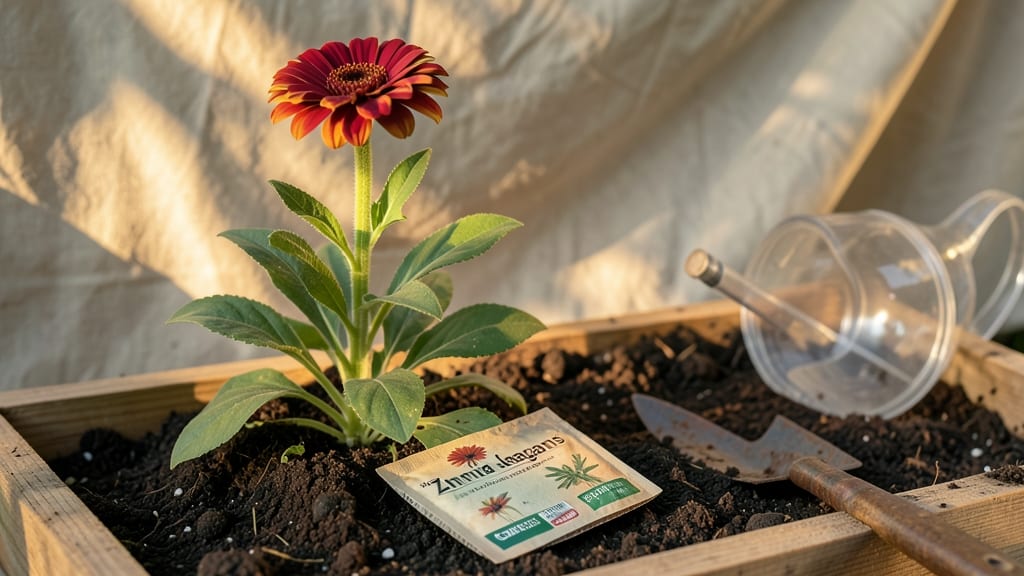
Planting flower seeds in Indiana at the right time means the difference between a garden bursting with color and one that barely makes it past the first frost 🌸.
Indiana’s spring weather can be as unpredictable as a Hoosier basketball game, but knowing your last frost date—usually around April 15—gives you the edge.
Picture this: you’ve spent weeks nurturing delicate seedlings indoors, only to watch them wilt overnight because you planted too early. Or you wait until June to sow marigolds, and by the time they bloom, your neighbors’ gardens are already in full swing.
Timing isn’t just about avoiding frost—it’s about maximizing your growing season so your flowers thrive from spring to fall.
In this guide, I’ll break down the exact planting windows for Indiana’s Zone 6a climate, from cool-season favorites like pansies to heat-lovers like zinnias.
You’ll learn how to adjust for your specific microclimate—whether you’re in urban Indianapolis or rural southern Indiana—plus when to start seeds indoors versus direct-sowing for the best results.
Ready to turn your garden into a showstopper? By the end, you’ll know not just when to plant, but how to give your flower seeds the perfect start—so you can enjoy blooms from May through October without a hitch.
Indiana’s frost dates & optimal flower seed planting windows by month
Indiana’s Zone 6 climate creates a delicate balance between cool-season and warm-season planting windows. The average last frost date hovers between April 15–May 15, while the first frost typically arrives October 15–November 1.
These dates mark the boundaries for your flower seed planting calendar, but microclimates—like the cooler Hoosier Hill Country or urban heat islands—can shift these windows by 1–2 weeks.
For cool-season flowers like pansies and snapdragons, start seeds indoors 4–6 weeks before your last frost date. Direct sowing can begin as early as late February in southern Indiana or wait until mid-April in northern regions.
Meanwhile, warm-season beauties such as marigolds and zinnias need to wait until soil temperatures hit 60°F+, usually after May 15.
Here’s your Indiana frost-date cheat sheet for planting flower seeds by month, accounting for regional variations:
Adjust your planting timeline based on Indiana’s microclimates. Urban areas like Indianapolis often experience heat islands, allowing warm-season seeds to be sown 1–2 weeks earlier than rural zones. Conversely, the Hoosier Hill Country (e.g., Brown County) may need to delay planting until soil warms 5–7 days later.
For indoor seed starting, use grow lights to simulate 14–16 hours of light daily. Transplant seedlings outdoors only after hardening them for 7–10 days in shaded, protected areas. This gradual transition prevents transplant shock and ensures stronger roots.
Monitor soil temperature with a soil thermometer—warm-season flowers like tomatoes and peppers need 60°F+, while cool-season varieties thrive at 50–60°F. Purdue’s Climate Data tool can help you track local conditions in real time.
Pro tip: Use row covers to extend your cool-season planting window by 2–3 weeks in early spring or late fall. These lightweight fabrics protect tender seedlings from late frosts while allowing sunlight and water to penetrate.
Remember, fall planting (August–
Best flowers to plant in Indiana by season (with seed starting tips)
Indiana’s Zone 6 climate gives us a 165-day frost-free window, but timing your flower seeds is the secret to a showstopping garden.
Whether you’re growing cool-season annuals like pansies or heat-loving zinnias, matching planting dates to Indiana’s average last frost (April 15) and first frost (October 15) ensures vibrant blooms all season. I’ll break down my top-performing flowers by season, plus when to start seeds indoors versus direct-sowing for maximum impact.
For spring blooms, focus on sweet peas, snapdragons, and calendula—these thrive when sown 4–6 weeks before your last frost. Meanwhile, summer favorites like zinnias and marigolds need to wait until soil warms to 60°F+, typically after May 15.
Fall planting? Don’t overlook cosmos, sunflowers, and asters, which handle cooler temps better than you’d think. Let’s dive into the exact timing and tips to avoid common mistakes.
🌱 When to Plant Flower Seeds in Indiana
- Early Spring (March–April): Start sweet peas, pansies, and snapdragons indoors 8–10 weeks before last frost (around February 15). Direct-sow calendula and larkspur after April 1.
- Late Spring (May): Wait until soil reaches 55°F+ to direct-sow marigolds, zinnias, and sunflowers. Avoid transplanting tender seedlings until after May 15.
- Summer (June–July): Sow cosmos, black-eyed Susans, and impatiens after June 1. Heat-sensitive varieties like impatiens need afternoon shade.
- Fall (August–September): Plant asters, chrysanthemums, and sweet alyssum 6–8 weeks before first frost (around August 15). Avoid late starts—cool nights help them thrive.
- Winter (December–February): Focus on indoor seed starting for spring bulbs (tulips, daffodils) and cool-season annuals. No direct sowing—Indiana’s soil stays too cold.
My go-to cool-season flowers for early color include sweet peas, which I start indoors in February for May blooms. These climbers need a trellis and consistent moisture—I water them every 2–3 days once established.
For summer heat, zinnias and marigolds are my top picks because they thrive in full sun and repel pests like rabbits and deer. I direct-sow these after May 15 when nights stay above 50°F.
Fall planting often gets overlooked, but cosmos and sunflowers are my easy-care winners for late-season color. Cosmos self-seed like crazy, so I let them naturalize in my sunniest border.
For winter interest, I turn to ornamental kale and pansies, which handle light frosts and add bold color to my garden through December. The key? Plant them 6–8 weeks before first frost—usually by August 15.
Pro tip: Use row covers to extend your spring planting window by 2–3 weeks. I’ve used them to protect tender seedlings like impatiens from late frosts in northern Indiana. For container gardening, start petunias and geraniums indoors in March and move them outside after May 15.
Containers warm up faster, so I monitor soil temps closely with a soil thermometer.
Remember, Indiana’s microclimates vary wildly—urban areas like Indianapolis stay warmer than rural northern Indiana. Check Purdue’s frost date maps for your exact location, and adjust your planting by 1–2 weeks if needed.
With the right timing, your garden will burst with color from spring tulips to fall mums—no guessing required!