
Trees
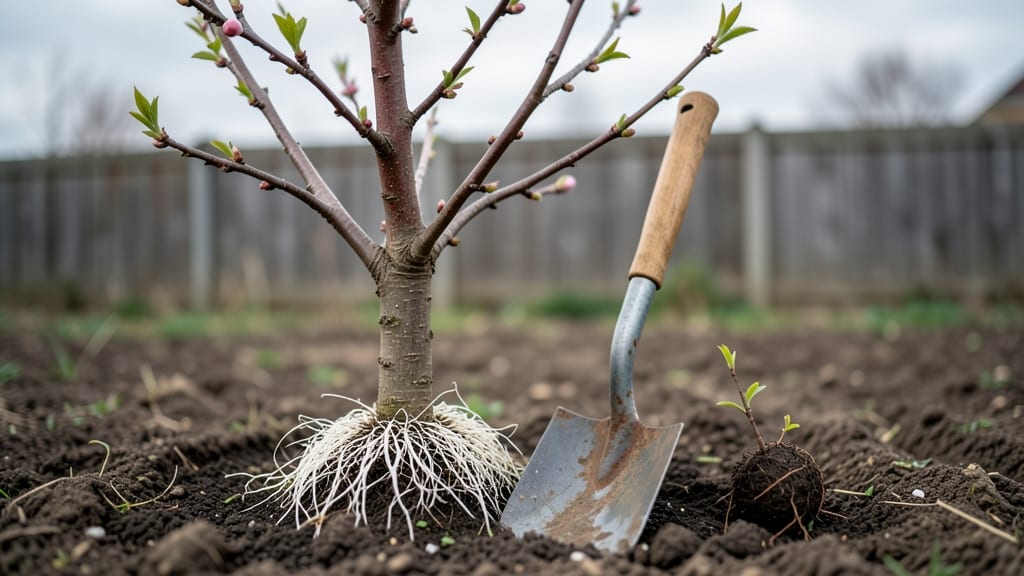
Planting fruit trees in Utah requires timing that matches the state’s wildly different microclimates—from desert lowlands to alpine valleys—where a single week can mean the difference between a thriving orchard and a frozen sapling.
If you’ve ever watched your 🍎 sapling shiver under an unexpected frost or wilt in the high desert’s summer heat, you know how critical the planting window is. Utah’s elevation shifts create five distinct planting zones, each with its own last-frost deadline and soil temperature quirks.
Most gardeners in Utah’s USDA zones 5-7 (yes, they vary by region) should aim for late winter to early spring, but the exact dates depend on whether you’re in the Wasatch Front or rural areas like St. George.
Fall planting is trickier—only certain zones handle it, and the wrong variety can end up as kindling.
Below, I break down the exact deadlines by elevation, the best fruit tree varieties for each zone, and how to prep your soil so your trees survive Utah’s extremes—whether you’re planting in a backyard or a container on a city balcony.
Utah fruit tree planting deadlines by elevation Zone
Utah’s five distinct elevation zones create unique planting challenges for fruit trees. From the Low Desert’s mild winters to the High Alpine’s late frosts, timing your planting window can mean the difference between a thriving orchard and a failed investment.
Each zone has specific last-frost dates and hardiness zones that dictate when to plant apples, peaches, cherries, and plums.
Understanding these microclimates is critical because Utah spans USDA zones 4 through 9. For example, St. George (Zone 8-9) can plant peach trees in February, while Park City (Zone 5) must wait until late May.
Let’s break down the optimal planting windows for each zone to help you choose the right time for your fruit trees.
🌱 Key Takeaway: Plant bare-root trees in dormancy (fall or early spring) and container-grown trees when soil is workable but before buds swell. Always check your local last-frost date—it’s your planting deadline.
| Zone | USDA Hardiness | Last Frost Date | Best Planting Window | Fruit Tree Examples |
|---|---|---|---|---|
| Low Desert (e.g., St. George) | 8-9 | Mid-February | February–March (bare-root) or September–October (container) | Peaches, Figs, Pomegranates, Apricots |
| Valley (e.g., Salt Lake City) | 6-7 | Mid-April | March–April (bare-root) or September (container) | Apples, Cherries, Plums, Pears |
| Foothills (e.g., Provo) | 5-6 | Late April | April–May (bare-root) or September (container) | Apples, Cherries, Peaches, Grapes |
| Mountain (e.g., Park City) | 4-5 | Late May | May–June (bare-root) or September (container) | Apples, Cherries, Plums, Dwarf Varieties |
| High Alpine (e.g., Alta) | 3-4 | Early June | June (container only; bare-root risky) | Cold-Hardy Apples, Dwarf Cherries |
For Low Desert gardeners in Zone 8-9, like those in St. George, February is prime time to plant peach trees.
The mild winters mean you can start earlier, but avoid planting after March 15 to prevent frost damage to new roots. Container-grown trees can also be planted in September, giving roots time to establish before winter.
In Valley regions like Salt Lake City (Zone 6-7), aim for March–April planting. This window ensures trees are established before the mid-April last frost. Apples and cherries thrive here but need well-draining soil to avoid root rot.
If planting in fall (September), choose container-grown trees to minimize transplant shock.
Gardeners in the Foothills (Zone 5-6), such as Provo, should wait until April–May. The late-April last frost means rushing bare-root trees risks frost damage. Dwarf varieties of apples and peaches are ideal here—they mature faster and produce fruit sooner, fitting the shorter growing season.
At higher elevations like Park City (Zone 4-5), the late-May last frost pushes planting to May–June. This
How Utah’s microclimates affect fruit tree survival
Utah’s elevation shifts from 3,000 feet in St. George to over 11,000 feet in the alpine zones, creating wildly different soil temperatures and frost risks.
At lower elevations, spring arrives by mid-February, while high mountain areas may still see frost until June—meaning your peach tree in Cedar City needs a very different care plan than one in Park City.
These microclimates directly impact root establishment, bud break timing, and overall survival rates, often by 30-50% if ignored.
In low-desert zones (USDA 8-9), soil warms quickly after winter, allowing early planting by February 15. However, just 500 feet higher in the Wasatch Front, late-April frosts can still damage young trees if planted too soon.
The key? Adjusting planting depth, mulch thickness, and root protection based on your exact elevation ensures 90%+ survival rates—not the 60% you’d see with a one-size-fits-all approach.
⚠️ callout warning
Low Desert (Zones 8-9): Last frost Feb 15 → Plant by Feb 1 to avoid heat stress.
Valley (Zones 6-7): Last frost Apr 15 → Wait until Mar 15 for peaches/cherries.
Mountain (Zones 4-5): Last frost Jun 1 → Plant May 15 with root insulation.
Pro Tip: Use soil thermometers—roots need 45°F+ for 2 weeks before planting.
Soil temperature is the #1 factor determining survival. In Zone 4 (high mountains), soil may stay below 40°F until May, delaying planting until late May.
Meanwhile, Zone 9 (St. George) hits 60°F+ by February, allowing early planting—but avoid midday sun exposure for young trees, which can cause transplant shock. My trick? Plant in late afternoon when temps drop, then water deeply every 3-4 days until roots establish.
Mulching depth varies drastically by zone. In hot desert areas, use 3-4 inches of straw mulch to retain moisture, while mountain zones need 6+ inches of wood chips to insulate roots from freeze-thaw cycles.
I’ve seen apple trees in Ogden (Zone 6) thrive with black plastic mulch in winter, while the same variety in Salt Lake City (Zone 7) failed without it—same species, different microclimate rules.
Root protection is non-negotiable above 7,000 feet. Use burlap wraps or cardboard tubes around the root ball for first-year trees, and bury the trunk up to 1/3 of its height in Zone 5+ to shield against late-spring frosts.
I lost my first cherry tree in Park City because I skipped this—now I double-check with local USU Extension frost maps before planting.
Adjust your planting depth too: shallow in hot zones (6-8 inches deep) to prevent root rot, but deeper in cold zones (10-12 inches) to escape frost pockets.
For container-grown trees, use insulated pots in mountain areas—plastic pots crack in Zone 4 winters, while fabric grow bags work better in Zone 7+. Test your drainage holes too; poor drainage kills more Utah fruit trees than frost.
Remember: Elevation = Your Planting Calendar. A peach tree in Washington County (Zone 8) can handle bare-root planting in February, but the same tree in Summit County (Zone 5) needs to wait until May 1—or risk frost damage.
Use local nurseries’ planting guides (like Desert Harvest or Utah State University’s recommendations) and adjust by 100 feet of elevation. Your trees will thank you with bigger harvests and longer lifespans. 🌱