
Plants
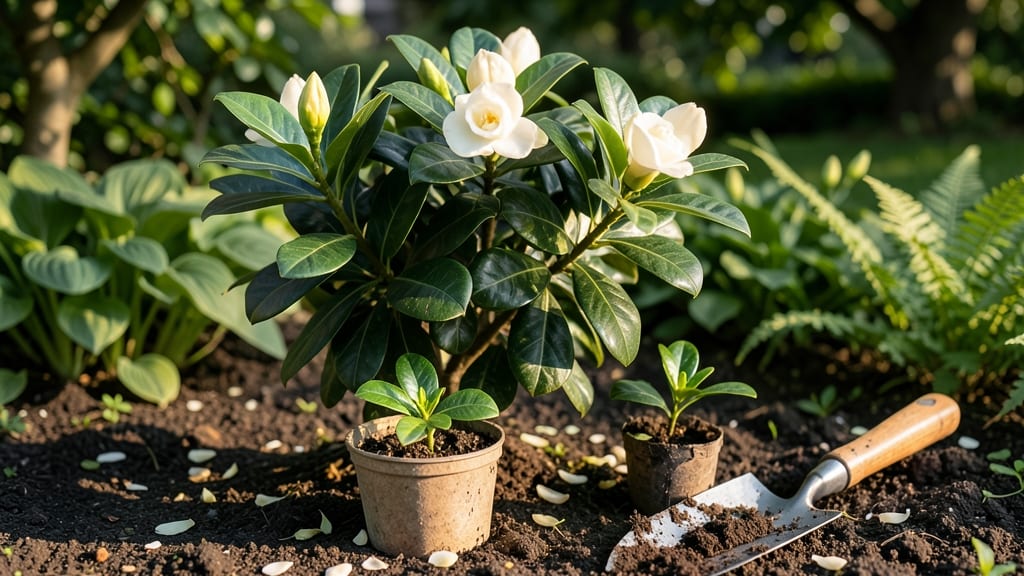
Plant gardenias in North Carolina between early March and mid-April, after the last frost has passed and soil temperatures reach a steady 60°F.
North Carolina’s humid summers and mild winters create the perfect climate for gardenias—but planting them at the wrong time can stunt their growth or even kill them before they bloom. Timing is everything for these fragrant favorites, and getting it right ensures years of lush, perfumed flowers.
If you’ve ever watched a gardenia 🌸 wilt under late frost or struggle to establish roots in scorching heat, you know how critical the planting window is. The key is balancing soil warmth with avoiding summer’s intensity, especially in zones 7a-8b.
Below, I’ll break down the best months for your region, how to prep soil for these acid-loving shrubs, and whether nursery plants or cuttings give you the best start in NC’s climate.
Best planting months for gardenias in North Carolina by climate zone
North Carolina’s three distinct climate zones—Coastal, Piedmont, and Mountains—each demand slightly different timing for planting gardenias. These fragrant shrubs thrive when planted after the last frost but before summer’s brutal heat arrives.
In Coastal NC (Zone 8a-8b), gardenias can handle slightly earlier planting due to milder winters, while Mountain regions (Zone 7a) require waiting longer for soil to warm.
Your planting window hinges on two critical factors: soil temperature (above 60°F) and frost-free consistency. Coastal areas typically see frost-free soil by mid-March, while Piedmont and Mountain zones wait until late March to early April.
Planting too early risks frost damage, while waiting too long stresses young roots before summer’s heat sets in.
Here’s your zone-specific planting guide with temperature thresholds and frost risk factors to ensure your gardenias establish strong roots before summer’s arrival:
| Climate Zone | Ideal Planting Month | Soil Temp Threshold | Last Frost Date | Key Risk |
|---|---|---|---|---|
| Coastal (Zone 8a-8b) | Mid-February to March | 60°F+ consistently | Late February | Late spring frost |
| Piedmont (Zone 7b) | Late March to April | 65°F+ consistently | Mid-March | Early summer drought |
| Mountains (Zone 7a) | April to early May | 70°F+ consistently | Late April | Cool soil delays root growth |
In Coastal NC, gardenias can even handle February planting if you’re in Zone 8b, where winters are mildest. However, avoid planting before February 15 in this zone to prevent unexpected frost damage.
The Piedmont region sees the most variability, so aim for late March to early April when soil temperatures consistently stay above 65°F.
For Mountain gardeners, patience is key—wait until after April 15 to ensure soil warmth. These areas often experience late frosts into May, so planting too early can kill tender new growth. Use a soil thermometer to confirm temperatures are stable before planting; gardenias won’t thrive in cool soil.
Pro tip: If you’re in a microclimate (like a sheltered valley or urban heat island), you can plant 2-3 weeks earlier than the zone average. Conversely, high-elevation spots may need delayed planting by 1-2 weeks to avoid frost. Always check your local Cooperative Extension Service for precise frost dates.
Once planted, mulch heavily (3-4 inches) to insulate roots from temperature swings. Gardenias planted in April across all zones will have 6-8 weeks of ideal spring conditions to establish roots before summer’s heat arrives.
This timing ensures your gardenias bloom abundantly by mid-summer, filling your garden with their signature jasmine-like fragrance.
Remember: Container-grown gardenias (from nurseries) establish faster than seeds or cuttings, so prioritize these for your planting window. If you miss the ideal month, don’t despair—fall planting in October is a viable backup, though growth will slow as temperatures drop.
🌸
Signs your gardenia planting timing is perfect (or terrible)
Your gardenia plant’s first few weeks in North Carolina’s soil reveal everything about your planting timing. Look for bright green leaves and new growth within 2-3 weeks—this signals you’ve planted at the ideal time, when soil temperatures hover between 60-70°F and frost risk has passed.
These conditions let roots establish quickly before summer’s heat arrives.
If your gardenia shows yellowing leaves or stunted growth, it’s a red flag. This often means you planted too early, exposing roots to lingering cold soil or late frosts.
Gardenias hate soggy roots, so poor drainage or overly wet soil can also slow growth, even with perfect timing. Pay attention to how quickly the soil warms after planting.
⚠️ callout warning
Coastal NC gardeners can plant 1-2 weeks earlier (late February) than Piedmont growers, but mountain regions should wait until mid-April to avoid frost. Test soil warmth with a soil thermometer—ideal temps are 60°F+ at 4" depth.
🌱 Pro Tip: If you planted too early, mulch heavily to insulate roots and avoid fertilizing until soil warms.
Perfect timing also means your gardenia blooms by late summer. If flowers appear in June or July, your plant has established strong roots and is ready for NC’s heat.
Delayed blooming (after August) suggests stress from poor timing, underwatering, or nutrient deficiencies. Always plant after the last average frost date—check your local USDA zone (NC ranges from 7a-8b).
Watch for dark brown leaf edges, which signal you planted too late. This happens when summer heat arrives before roots adapt, causing transplant shock. Late spring plantings (May+) often struggle in NC’s humid summers unless you use shade cloth during the first month.
Always water deeply after planting to reduce shock risks.
For container gardenias, check if roots circle the pot—this means you waited too long to transplant. Repot immediately into acidic, well-draining soil (pH 5.0-6.0) and prune 1/3 of the roots to encourage new growth.
Containers dry faster, so monitor soil moisture daily in summer. A happy gardenia in a pot should show new leaves every 2 weeks.
Recovery is possible if you catch issues early! For early plantings, add mulch (3-4 inches) to protect roots and avoid fertilizing until soil reaches 65°F+.
Late plantings need daily shade (50% cloth) and extra water. With patience, most gardenias bounce back—just adjust your timing next year by following soil warmth cues.