
Plants
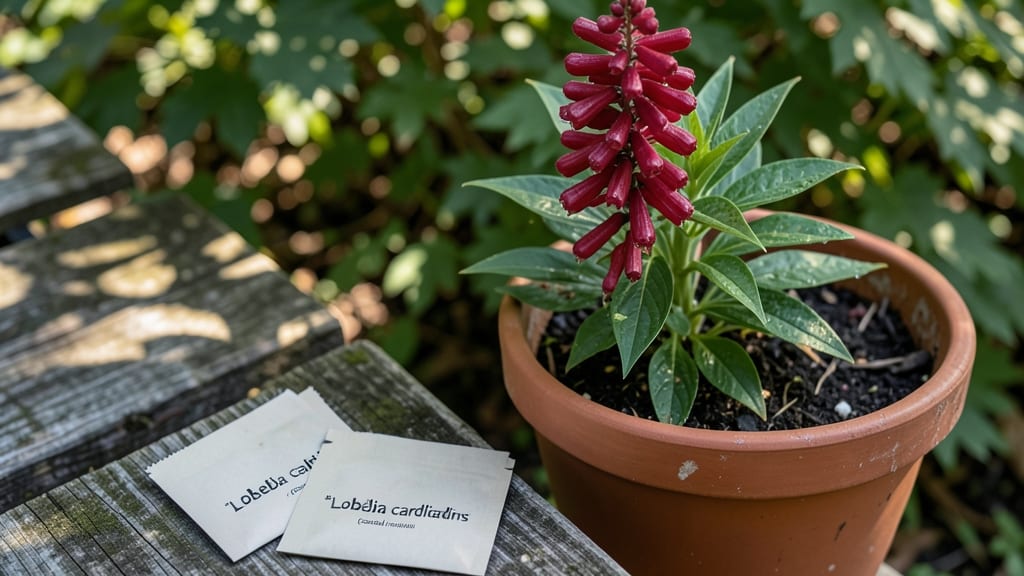
Planting seeds in NC at the right time means the difference between a thriving garden and a sad, wilted disappointment—especially when coastal breezes and mountain frosts don’t play fair.
North Carolina’s diverse climate—from the coastal plains to the mountain highlands—means planting seeds at the wrong time can spell disaster for your garden. Get the exact microclimate deadlines by USDA zone and plant type to maximize your harvest.
Cool-season crops like lettuce and broccoli need to hit the soil 4-6 weeks before the last spring frost, while warm-season favorites such as tomatoes and peppers wait until after April 15 in most zones. Miss these windows, and you’ll end up with stunted plants or no harvest at all.
Below, I break down the precise planting schedules for NC’s USDA zones, indoor-starting tips, and how to adjust for your local microclimate—whether you’re in the humid southeast or the cooler Appalachians.
NC seed planting deadlines by USDA Zone (7a-8b): exact dates for cool & warm season crops
North Carolina spans USDA zones 7a through 8b, creating distinct planting windows that vary by elevation and coastal influence. In Zone 7a (mountains), last spring frosts typically arrive March 15–April 1, while Zone 8b (coastal plains) sees them February 15–March 15.
First fall frosts in Zone 7a hit October 20–November 5, compared to Zone 8b’s November 15–December 1. These differences mean your cool-season crops like broccoli and warm-season crops like tomatoes must be timed precisely.
Cool-season crops thrive when soil temperatures stay below 70°F, while warm-season crops need soil above 60°F to germinate. In Zone 7a, plant spinach and peas by March 1–April 15 and tomatoes and peppers after May 15.
In Zone 8b, start cool-season crops January 15–March 1 and warm-season crops March 15–April 15. These ranges account for microclimates—coastal areas warm faster, while mountain valleys lag.
Use this zone-specific guide to align your planting with local frost dates and avoid stunted growth or frost damage. For example, lettuce in Zone 7a can be sown until August 15 for fall harvests, but in Zone 8b, extend that to September 15.
Warm-season crops like squash should be planted 2–3 weeks earlier in Zone 8b than in Zone 7a to ensure maturity before frost.
Here’s a quick-reference table for NC’s planting deadlines by zone and crop type, including last frost dates and ideal sowing windows:
| USDA Zone | Last Spring Frost | First Fall Frost | Cool-Season Crops (Seed Start) | Warm-Season Crops (Seed Start) |
|---|---|---|---|---|
| Zone 7a (Mountains) | March 15–April 1 | October 20–November 5 | March 1–April 15 August 1–September 15 (fall) |
May 15–June 15 |
| Zone 7b (Piedmont) | March 1–March 15 | November 1–November 15 | February 15–March 30 July 15–September 1 |
April 15–May 15 |
| Zone 8a (Coastal Piedmont) | February 15–March 1 | November 15–December 1 | January 15–March 1 July 1–August 30 |
March 15–April 15 |
| Zone 8b (Coastal Plains) | February 1–February 15 | December 1–December 15 | January 1–February 28 June 15–September 15 |
March 1–April 1 |
For Zone 7a gardeners, prioritize early spring plantings of kale and carrots to avoid bolted greens.
In Zone 8b, extend your fall harvests by sowing radishes and turnips as late as October 15. Warm-season crops like eggplants need a longer growing season, so start them indoors 6–8 weeks before your last frost date.
Use row covers to push Zone 7a planting windows 2–3 weeks later in spring.
Soil temperature is critical—use a soil thermometer to confirm warm-season crops are planted when soil reaches 60°F+
Best plants to start indoors vs. direct-sow in NC: timing strategies for seedlings
Deciding whether to start seeds indoors or direct-sow outdoors in North Carolina depends on your plant type and microclimate. Urban gardens in Raleigh may have different timing than rural farms in Asheville. Let's break down the best strategies for NC gardeners to maximize seedling success.
For cool-season crops like kale and broccoli, direct sowing often works best in early spring (March-April) or late summer (August-September). However, warm-season plants such as tomatoes and peppers typically need an indoor head start 6-8 weeks before your last frost date to thrive.
Indoor Start vs. Direct Sow: NC Planting Strategies
Indoor Start
- Pros: Longer growing season
- Pros: Avoids transplant shock
- Pros: Better for heat-loving plants
Best for: Tomatoes, Peppers, Eggplants, Basil
Direct Sow
- Pros: Saves time and effort
- Pros: Better for cold-hardy plants
- Pros: Avoids transplant stress
Best for: Lettuce, Radishes, Peas, Spinach
Indoor Start
- Cons: Requires grow lights
- Cons: Higher risk of disease
- Cons: More space needed
Direct Sow
- Cons: Shorter growing season
- Cons: Vulnerable to pests
- Cons: Slower maturity
In urban areas like Charlotte, where microclimates can vary dramatically, I recommend starting tomatoes and peppers indoors by February 15 to ensure they're ready for transplant after your last frost date (typically April 15).
For rural areas in the mountains, like Boone, you might delay indoor starts until March 1 due to later frost dates.
Direct sowing works beautifully for fast-growing greens like radishes and lettuce. These can be sown 2-3 weeks before your last frost date, often as early as February in coastal areas or March in the mountains.
The key is to monitor your local soil temperature—most seeds need soil at least 40°F to germinate.
For herbs like basil, I always start seeds indoors 4-6 weeks before the last frost. Basil is sensitive to cold and needs consistent warmth to thrive. Once the nights stay above 55°F, you can transplant it outdoors.
In Zone 8b, this usually aligns with mid-April for coastal areas and early May for the mountains.
Adjust your timing based on your local frost dates and plant hardiness. Use NC State Extension's frost date map as a guide, but always be ready to cover young plants if late frosts threaten. With the right approach, you'll have a thriving garden full of homegrown goodness! 🌱