
Plants
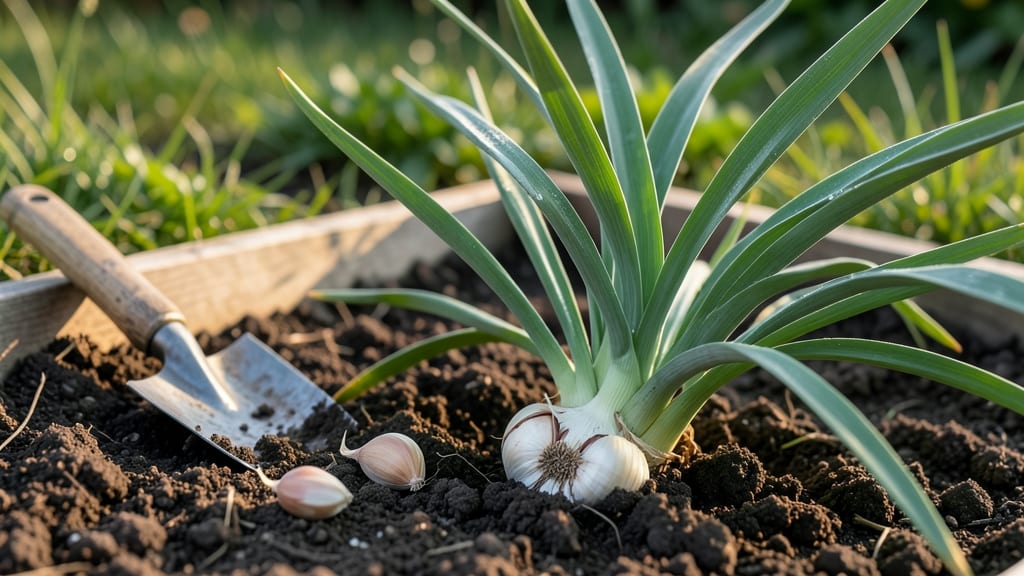
Planting garlic in Zone 4 at the right time is the secret to hardy bulbs that thrive through winter and reward you with a summer harvest.
Miss that window, and you risk wasted effort—whether from cloves rotting in soggy soil or freezing before they take root. I’ve seen both happen, and the difference comes down to timing, soil prep, and a little local climate know-how.
In this guide, I’ll walk you through the exact fall window for Zone 4 (including 4a vs. 4b adjustments), how to prep soil for cold climates, and pro tips to protect your crop from winter heaving. No guesswork—just actionable steps for a foolproof harvest.
Ready to grow garlic like a pro? Let’s start with the critical planting dates and why they matter more than you think.
Perfect fall planting timeline for Zone 4 garlic (with exact dates)
Zone 4 gardeners have a narrow but critical window to plant garlic—4 to 6 weeks before the ground freezes. Miss this timing, and your cloves may rot before winter dormancy.
The key? Understanding soil temperature thresholds and adjusting for your specific sub-zone (4a vs. 4b) to avoid winter heaving or premature sprouting.
Hardneck varieties like 'Music' or 'German White' thrive in Zone 4's cold winters, while softneck types ('Silverskin') tolerate milder micro-climates. I'll break down the exact dates for each, plus how to handle early/late frosts that can ruin your harvest before it starts.
Pro Tip: Use a soil thermometer to confirm 40°F soil temps—this is your green light for planting. In Zone 4a (colder), aim for mid-October to early November, while Zone 4b gardeners can plant until late November.
If your area experiences early frosts before October, opt for hardier varieties like 'German White' and plant as soon as soil temps drop to 40°F. For late frosts (Zone 4b), stretch planting until late November—just ensure cloves establish roots before winter.
Soil preparation is non-negotiable. Amend beds with compost and aged manure to improve drainage—waterlogged soil causes rot. Test pH (aim for 6.0-7.0) and add lime if needed. I once lost an entire garlic patch because I skipped this step in my clay-heavy soil.
Mulching with straw or leaves (4-6 inches) after planting insulates cloves from temperature swings. In Zone 4a, add mulch by mid-November; in Zone 4b, wait until December to avoid encouraging early sprouting.
For staggered planting, divide your cloves into batches and plant every 2 weeks from October to November. This extends your harvest window by 3-4 weeks—perfect for gardeners with short growing seasons.
Watch for winter heaving (soil pushing bulbs upward) in freeze-thaw cycles. To prevent this, add extra mulch in early spring once snow melts. I’ve saved multiple harvests by covering beds with cardboard first, then straw.
Remember: Garlic needs cold dormancy to form bulbs. If you live in a mild micro-climate (e.g., near a lake or city), consider chilling cloves in the fridge for 6-8 weeks before planting to mimic winter conditions.
By following these exact dates and adjustments, you’ll maximize your Zone 4 garlic harvest—ready for July-August harvests with plump, flavorful bulbs. 🧄
3 Critical mistakes that ruin garlic planting in cold climates (and how to avoid them)
Even experienced gardeners in Zone 4 make these three garlic-growing blunders that can turn your fall planting into a wasted effort. The first mistake? Planting at the wrong time—either too early when soil is still warm or too late when winter freezes are imminent.
This timing error disrupts the cold stratification garlic needs to form proper bulbs.
Another common pitfall is skipping soil preparation. Garlic thrives in loose, well-draining soil with a pH between 6.0-7.0. Heavy clay or compacted soil leads to poor root development and stunted bulbs.
Many gardeners also overlook the importance of mulching to protect against winter heaving, where freezing and thawing cycles push bulbs to the surface.
⚠️ callout warning ⚠️
⚠️ Planting Too Early or Late in Zone 4
Hardneck varieties need 4-6 weeks of cold temperatures (40°F or below) to form bulbs. Planting too early (before October) means garlic may sprout before winter, while planting too late (after November) risks bulbs freezing before establishing roots.
Diagnostic Check: Use a soil thermometer—ideal planting temps are 40-50°F at a 4-inch depth. If your soil is warmer, wait 1-2 weeks.
The second mistake is ignoring soil prep. Before planting, amend your soil with compost or aged manure to improve drainage and fertility. A quick soil test for nitrogen levels (too much can cause leafy growth at the expense of bulbs) is also wise.
Many gardeners rush planting without addressing these foundational needs, setting their garlic up for failure.
Third, failing to protect bulbs from winter heaving is a silent killer. When soil freezes and thaws, it expands and contracts, pushing garlic cloves to the surface where they’re exposed to frost damage and rodent attacks.
A thick layer of straw or leaves (4-6 inches) acts as insulation, keeping soil temps stable and bulbs buried.
To avoid these mistakes, use this quick planting readiness checklist: ☑️ Soil temperature is 40-50°F at 4 inches deep ☑️ Soil is loose and well-draining (amend if needed) ☑️ Mulch (straw or leaves) is ready for application ☑️ Cloves are planted 4 inches apart and 2 inches deep
By addressing these three critical errors—timing, soil prep, and winter protection—you’ll give your garlic the best chance to thrive in Zone 4’s challenging climate. The effort pays off with plump, flavorful bulbs ready for harvest next summer! 🧄