
Plants
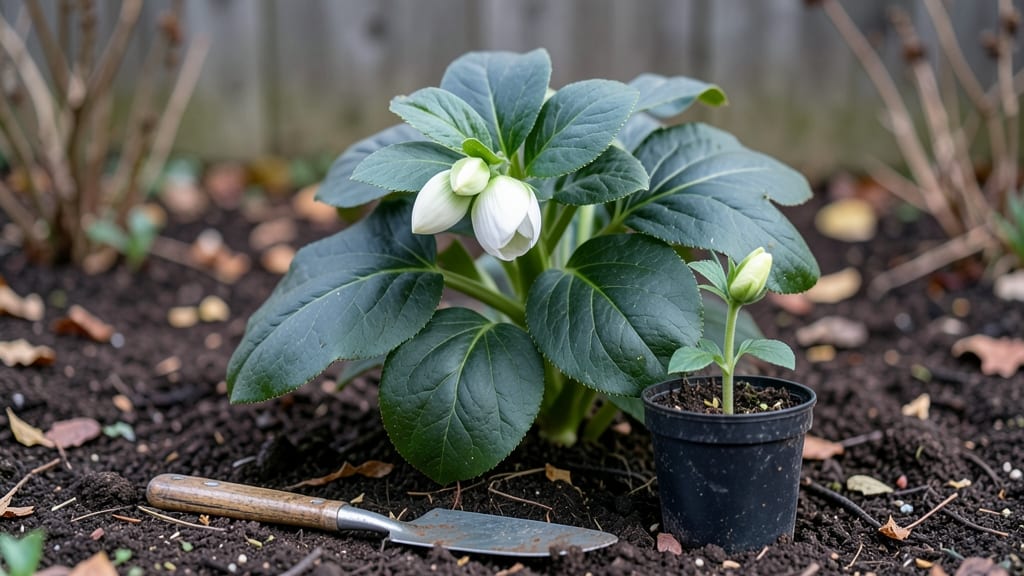
Planting hellebore in Zone 7 during early fall unlocks their stunning winter blooms 🌸 by letting roots establish before the ground freezes.
If you love winter blooms that defy the cold, hellebores are your secret weapon—but planting them at the wrong time in Zone 7 can mean weak growth or no flowers. Timing is everything for these hardy perennials, and mastering the early fall window unlocks their full potential.
Unlike many perennials, hellebores thrive when planted 6-8 weeks before your first frost—typically late September to early October in Zone 7. This gives them time to settle in without rushing into dormancy too soon.
Below, I’ll break down the exact window, how soil temperature plays a role, and why this timing makes all the difference for year-round color.
Optimal planting window for hellebore in Zone 7: why early fall works best
Timing your hellebore planting in Zone 7 isn't just about avoiding frost—it's about giving roots a 6-8 week head start before winter dormancy. The early fall window (mid-September to early November) creates ideal conditions for root establishment when soil temps hover between 50°F and 60°F.
This temperature range triggers cell division without stressing young plants.
Hellebores thrive when planted during this window because their cold-hardy nature pairs perfectly with Zone 7's fall climate patterns. Northern Zone 7 (e.g., Cincinnati) typically sees first frost around October 15, while Southern Zone 7 (e.g., Atlanta) holds off until November 1.
Planting too late risks stunted root growth before winter sets in.
Here's why early fall planting works best for hellebores in Zone 7:
| Planting Window | Soil Temp Range | Zone 7 Microclimate | Root Establishment |
|---|---|---|---|
| Mid-September | 60-65°F | Southern Zone 7 | Excellent (8+ weeks before frost) |
| Late September | 55-60°F | Northern Zone 7 | Good (6-7 weeks before frost) |
| Early October | 50-55°F | All Zone 7 | Moderate (4-5 weeks before frost) |
| Key: Southern Zone 7 has 2-3 weeks longer growing season than Northern Zone 7 | |||
In Northern Zone 7, aim for September 15-October 1 planting dates to ensure roots establish before ground freezes. The 60-day rule applies here—count back from your average first frost date (typically October 15) to determine your ideal window.
For example, if frost arrives October 15, plant by August 15 for optimal root growth.
Southern Zone 7 gardeners have more flexibility, with September 1-November 1 as the ideal window. The warmer microclimates here allow roots to establish even when planted in early November, as soil temps often stay above 50°F until late November.
This extended window means Southern Zone 7 hellebores often bloom earlier in spring due to stronger root systems.
Soil temperature plays a critical role in hellebore success. When planted in early fall, soil temps between 50°F and 60°F trigger root hair development—the fine roots that absorb water and nutrients.
Below 50°F, root growth slows dramatically, while above 65°F, plants may experience heat stress before winter dormancy.
An often-overlooked factor is moisture availability during fall planting. Zone 7's drier autumns (especially in inland areas) can stress newly planted hellebores. Watering deeply once weekly after planting ensures roots establish without drought stress. Mulching with 2-3 inches of organic matter helps retain moisture and regulates soil temperature.
For container-grown hellebores, the early fall window still applies, but adjust for pot size. Larger containers (12"+ diameter) retain moisture longer, allowing slightly later planting (up to November 1 in Southern Zone 7). Smaller pots (<10") dry out faster, so plant these by October 1 regardless of microclimate.
One common mistake is planting hellebores in late fall (after November 15). While they'll survive, you'll likely see delayed flowering the following spring. The 6-8 week rule exists because hellebores need time to acclimate to winter conditions—a process called vernalization—which occurs during these cooler fall months.
Test your soil's readiness by checking depth with a soil thermometer. For optimal hellebore growth, aim for 55-60°F at 4 inches deep—this is the sweet spot for root establishment. If temps drop below 50°F before planting, delay until conditions improve to avoid root rot from cold, wet soil.
Remember: Early fall planting gives hellebores the best chance to establish before winter, resulting in stronger plants and earlier blooms next season. With these timing tips tailored to Zone 7's microclimates, you'll be well on your way to growing vibrant winter blooms that brighten even the coldest days. 🌸
Hellebore varieties and their unique planting timing needs in Zone 7
Not all hellebores thrive with the same planting schedule in Zone 7.
While fall is ideal for most varieties, their cold hardiness and bloom timing create unique windows. Helleborus niger, for example, craves early fall planting to establish roots before winter blooms, while Helleborus orientalis varieties can handle slightly later dates for spring color.
Understanding these differences ensures you get year-round flowers instead of missed blooms.
The key to success lies in matching each variety’s dormancy needs with Zone 7’s first frost dates (typically mid-October). Planting too early can lead to weak growth, while waiting too long risks frost damage before roots establish.
Let’s break down the best timing for each type to maximize your winter and spring displays.
🌸 Hellebore Variety Planting Guide for Zone 7 🌸
For Helleborus niger, the earliest fall window (late August) is critical—this variety blooms in winter, and its delicate flowers need established roots to survive snow. Plant too late, and you’ll miss those holiday-season blooms entirely. I’ve found that September 1st is my cutoff date for this picky perennial.
Helleborus orientalis, on the other hand, rewards patience. Its spring blooms mean you can plant as late as early October in Zone 7’s milder microclimates (like coastal areas). Inland gardeners should stick to mid-September to avoid frost stress. Pro tip: Mix varieties—plant H. niger early for winter color and H. orientalis later for spring surprises.
If you’re growing Helleborus foetidus (the "stinking hellebore"), don’t stress about timing as much—it’s the most forgiving. Still, aim for early September to give roots time to settle before winter. This variety’s fragrant foliage makes it a great cut-flower plant, but its spring blooms are the real showstopper.
Remember: soil temperature matters more than air temperature. Wait until the ground cools to 60°F (15°C) before planting—this prevents root shock. In Zone 7, that usually aligns with late August to early September, but always check your local frost dates.
A quick soil thermometer check can save you from planting too soon.
For earliest blooms, prioritize Helleborus niger in late August. For year-round interest, layer all three varieties with staggered planting dates. With the right timing, your hellebores will reward you with color from December to April—no green thumb required!