
Plants
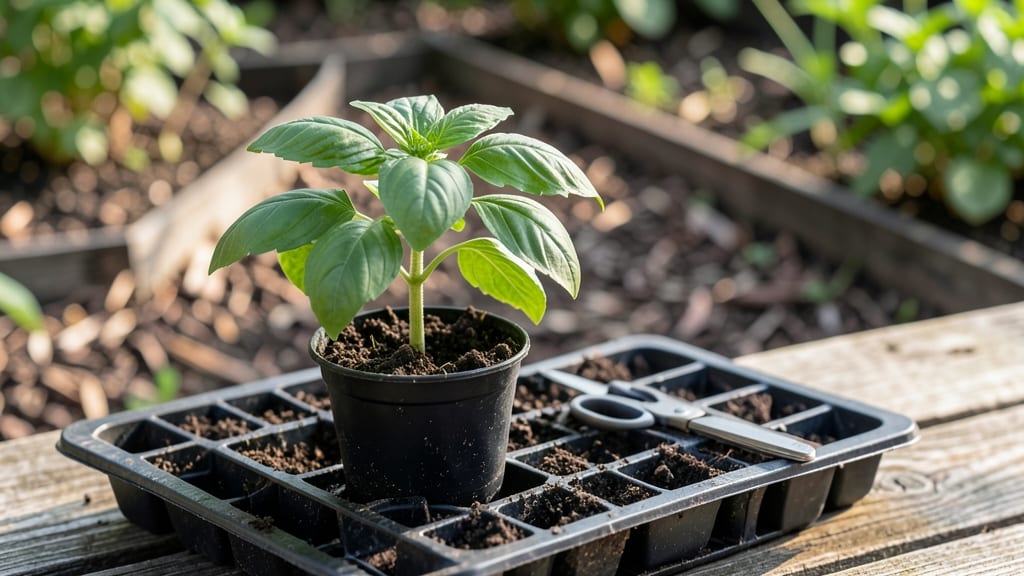
Planting herbs in New Jersey at the right time means the difference between a thriving 🌿 kitchen garden and one that fades before summer.
New Jersey’s diverse microclimates—from coastal breezes to inland humidity—can make or break your herb garden if you plant at the wrong time. Get the exact planting windows for basil, rosemary, thyme, and more to ensure lush, flavorful growth all season long.
Most gardeners in zones 6a-7b wait until after the last frost date—usually mid-April—but that’s just the start. The real trick is matching your herbs to your microclimate, whether you’re in the heat of Camden or the cooler hills of the Piedmont.
Inside, you’ll find the precise deadlines for spring and fall planting, how to stretch your harvest with succession planting, and which herbs actually thrive in NJ’s humidity. No more guessing—just flavor-packed success.
NJ herb planting calendar: exact deadlines by microclimate zone
New Jersey’s three distinct microclimate zones—coastal, inland, and Piedmont—create wildly different growing conditions for your herb garden. Coastal areas (like Cape May) enjoy milder winters and cooler summers, while inland zones (Central NJ) experience hotter summers and earlier frosts.
The Piedmont region (northwest) has shorter growing seasons with harsher winters. Timing your herb transplants correctly ensures robust growth and flavorful harvests.
For all zones, last frost dates range from mid-April (coastal) to late April (Piedmont). First fall frosts hit mid-October (coastal) to early October (inland). These frost dates dictate when to plant tender herbs like basil and cilantro versus hardy perennials like rosemary and oregano.
Let’s break down the exact planting windows for each zone.
🌿 Key Rule: Wait until soil temperatures reach at least 50°F for annual herbs (basil, dill) and 60°F+ for tender perennials (mint, lemongrass). Use a soil thermometer to avoid cold damage or stunted growth. Coastal areas can plant 2-3 weeks earlier than inland zones.
In coastal NJ, where mild winters delay frost, you can start tender herbs like basil as early as mid-May. However, soil warmth is critical—basil wilts if planted in cold soil. Use black plastic mulch to warm soil 2-3 weeks faster.
For hardy perennials, divide and transplant rosemary or oregano in early spring (March) or early fall (September) to establish roots before winter.
For inland NJ, where summers are hotter and frosts arrive earlier, prioritize succession planting. Sow cilantro every 2-3 weeks from April to July to avoid bolting (flowering too soon). Basil thrives in inland heat but needs consistent watering—plant near a drip irrigation line to
How to extend your NJ herb harvest: succession planting & fall strategies
New Jersey gardeners know the struggle: one batch of basil and suddenly it’s October frost. The secret to continuous harvests? Succession planting and smart fall strategies tailored to your microclimate.
Whether you’re growing heat-loving basil or cold-hardy parsley, timing is everything. Let’s break down how to keep your herb garden productive from spring through fall—without wasting seeds or space.
Start by identifying your NJ microclimate zone. Coastal areas (like Cape May) have milder winters, while inland zones (like Sussex County) face earlier frosts. Parsley and chives can handle light frosts, while basil and dill need warm soil to thrive.
The key is staggering plantings so you’re always harvesting something fresh. For example, plant basil every 2 weeks from late May through July, ensuring a steady supply until frost.
- 🌱 Late April-May: Plant cold-hardy herbs (parsley, chives, thyme) after last frost (mid-April). These thrive in 50-60°F soil.
- 🌿 Late May: Start basil and dill when soil reaches 60°F+. Use black plastic mulch to warm soil faster in cooler zones.
- ☀️ June-July: Succession plant basil every 2 weeks for continuous harvests. Pair with cilantro (bolts fast—harvest seeds for next year!).
- 🌧️ August: Sow winter-hardy herbs (parsley, sage) 6-8 weeks before first frost (mid-October).
- 🍂 September: Extend basil’s life with row covers or move pots indoors. Harvest oregano and rosemary before heavy frosts.
Don’t overlook container gardening for microclimates. A sunny patio in Jersey City can grow basil 2 weeks longer than an inland garden. Use self-watering pots to prevent drought stress, and swap containers between sun and shade as seasons shift.
For example, move rosemary to a south-facing window in winter to avoid leggy growth.
Fall is your second chance for herbs! Parsley and chives actually taste sweeter after frost, while sage and thyme become more aromatic. Plant these in well-draining soil with a 2-inch layer of mulch to protect roots.
Avoid over-fertilizing in fall—herbs need to harden off naturally. For a bonus, let dill and cilantro bolt in late summer—their seeds attract pollinators and can be saved for next year.
Common NJ mistakes derail herb gardens. Planting basil too early (before Memorial Day) risks frost damage, while ignoring soil warmth leads to stunted growth. Another pitfall? Skipping succession plantings for fast growers like basil and cilantro.
Set reminders to sow new seeds every 3 weeks to avoid gaps. And always rotate crops—planting same-family herbs (like all Lamiaceae family members) in the same spot yearly invites pests.
With these strategies, your herb garden will stay productive from May through November. Start with one or two herbs to test your timing, then expand.
Soon, you’ll be harvesting fresh basil for pesto in July and parsley for soups in December—all while avoiding the "herb gap" that plagues so many NJ gardens. Happy planting! 🌿