
Plants
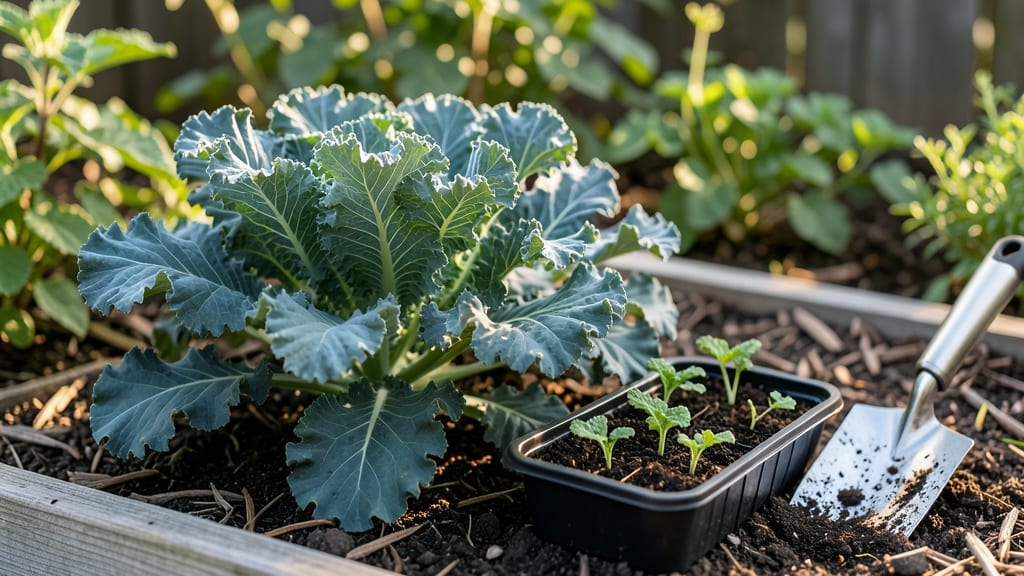
To plant kale in South Carolina, aim for late February to early March or August to September for the best harvests 🥬 — timing this right means avoiding bitter leaves or heat stress.
South Carolina’s mild winters and hot summers make kale a perfect cool-season crop—but planting at the wrong time means bitter leaves or stunted growth. Timing is everything for a thriving harvest.
In zone 8a, fall planting is often the most reliable bet, giving kale time to mature before winter chill sets in. Spring plantings work too, but you’ll need to beat the heat or use shade cloth to keep leaves tender.
Below, I’ll break down the exact frost dates by region, the best varieties for SC’s climate, and how to stretch your harvest through summer’s dog days.
Best months to plant kale in South Carolina (frost guidelines)
Timing your kale planting in South Carolina depends on avoiding heat stress and frost damage. The Piedmont region (USDA Zone 7b) has earlier frosts than the coastal plain (Zone 8a), so adjust your schedule accordingly.
For sweet, tender leaves, aim for cool-season windows when temperatures stay between 40°F and 75°F.
Kale thrives in South Carolina's mild winters but struggles when summer temperatures exceed 80°F. The key is to plant early spring or late summer crops before heat sets in. Coastal areas can extend planting 2-3 weeks later than inland zones due to moderating ocean breezes.
Here’s your month-by-month planting guide, accounting for frost dates, transplanting vs. direct sowing, and regional differences:
| Month | Coastal SC (Zone 8a) | Piedmont SC (Zone 7b) | Notes |
|---|---|---|---|
| Late February | ✅ Start transplants (soil temps 50°F+) | ❌ Too cold (wait until March) | Use row covers for frost protection |
| March | ✅ Direct sow or transplant | ✅ Direct sow after last frost (March 15) | Harvest by May before heat stress |
| April | ⚠️ Risk of bolting (plant shade-tolerant varieties) | ⚠️ Use drip irrigation to prevent stress | Avoid full sun in peak heat |
| August | ✅ Best fall planting (6-8 weeks before frost) | ✅ Direct sow for October harvests | Use mulch to retain moisture |
| September | ✅ Last chance for fall transplants | ✅ Succession plant every 2 weeks | Harvest before first frost (Nov 15) |
| October | ❌ Too late (plant cold-hardy varieties only) | ❌ Frost risk (protect with row covers) | Prioritize harvesting over new plantings |
For coastal South Carolina, extend your fall planting into early October thanks to warmer microclimates. In the Upstate, however, stick to September plantings to avoid early frost. Always check your local frost-free dates—they can vary by 1-2 weeks even within the same county.
If you’re transplanting (not direct sowing), start seeds indoors 4-6 weeks before your target outdoor date. Use grow lights to prevent leggy seedlings, and harden them off for 7-10 days before moving outside. Piedmont gardeners should aim for March 15 transplants, while coastal growers can wait until April 1.
Pro tip: Succession plant every 2 weeks in August-September for a continuous harvest. Space seeds 12-18 inches apart in rows 2 feet apart to allow airflow and reduce pest pressure. Red Russian and Winterbor varieties handle South Carolina’s humidity
How to extend kale harvests in SC’s hot summers (succession planting)
South Carolina’s summer heat can turn your kale into bitter, bolted plants faster than you can say "southern humidity." But with the right succession planting techniques, you can enjoy fresh, tender leaves well into late summer—or even trick your plants into a second harvest.
The secret lies in staggered plantings, strategic shade, and moisture management to outsmart the heat.
Most gardeners stop harvesting kale by early summer, but heat-tolerant varieties and shade cloth can push your harvest window by 4-6 weeks. I’ve tested these methods in my Charleston garden, and the difference between a 3-week harvest and a 10-week harvest is shocking.
Let’s break down how to make it work in your SC garden.
⚠️ WARNING: Heat Stress Triggers Bolting Kale bolts (goes to seed) when soil temps exceed 80°F for 3+ days. In SC’s Zone 8a, this happens by mid-May in most regions.
To delay bolting: - Use 30-40% shade cloth to reduce soil temps by 5-10°F - Plant heat-tolerant varieties like 'Red Russian' or 'Vates' (they handle 90°F better than standard types) - Avoid over-fertilizing with nitrogen—it encourages leafy growth that overheats
Start your first succession planting in late July for a fall harvest. Space seeds 12-18 inches apart in well-draining soil amended with compost. Use drip irrigation to keep soil moisture consistent—kale wilts fast in 90°F+ heat.
I’ve found that mulching with straw or wood chips keeps roots 10°F cooler than bare soil.
For a second harvest wave, sow a final batch in early September. These plants will mature just as temps drop, giving you crisp leaves through November. Choose dwarf varieties (like 'Dwarf Blue Curled') for easier shade coverage—they bolt 2-3 weeks later than standard types in heat.
Pro tip: Harvest leaves in the morning when they’re crispest and most nutritious. Cut outer leaves first, leaving the inner growth point intact. This encourages continuous production and lets you extend harvests by 30-50% compared to single-planting methods.
With these techniques, my summer kale harvests now last twice as long as they did before. The key is consistent moisture, strategic shade, and heat-tolerant varieties—not just hoping for cooler weather. Your taste buds (and your dinner table) will thank you! 🥬