
Plants
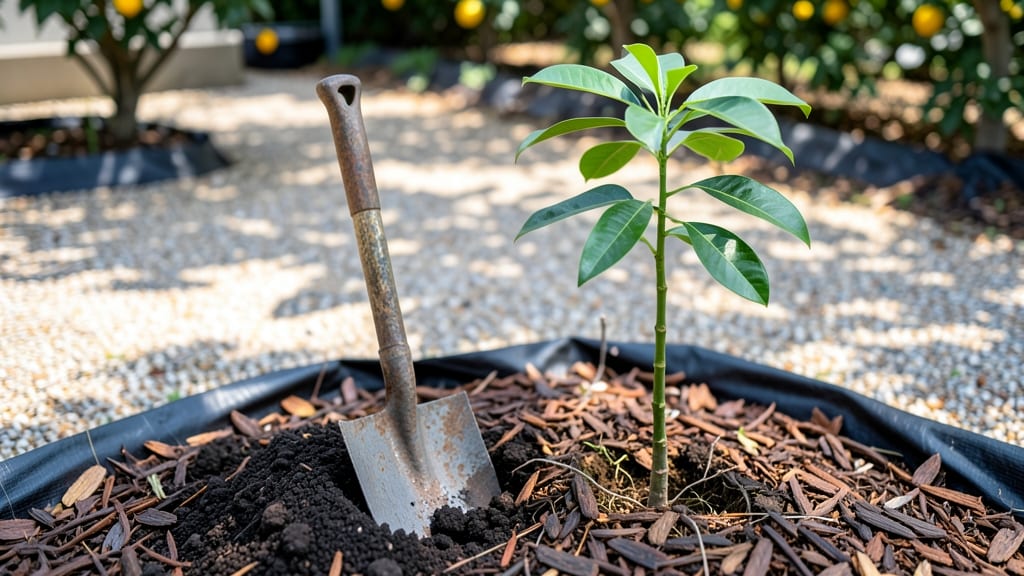
Planting a mango tree 🥭 in the ground at the right time means the difference between a thriving fruit-bearing tree and a struggling sapling that never recovers.
Picture this: You’ve spent months nurturing your young mango tree, only to plant it too early in the season—then watch it wilt under unexpected frost or fail to root properly in cold soil.
That’s why timing isn’t just about the calendar; it’s about the soil temperature, local climate, and even the phase of the moon for some growers.
In tropical zones like Florida, the best window is early spring when the ground warms to 60°F+, but in cooler climates like California’s inland valleys, you’ll need to wait until late spring or even early summer to avoid heat stress.
The key is planting when the roots can establish without competition from weeds or the shock of sudden temperature swings.
Below, I’ll break down the exact months to plant by region, how to prep the soil for maximum root growth, and the critical care steps to keep your mango tree healthy through its first year—so you’re harvesting fruit in just a few seasons, not decades.
Best months to plant mango trees by climate Zone
Mango trees (Mangifera indica) thrive in warm climates, but their planting windows vary dramatically depending on your USDA hardiness zone and local weather patterns. In tropical zones (10-12), you can plant year-round, while subtropical (9-10) and temperate (8-9) regions require precise timing to avoid frost damage.
Even in frost-free areas, monsoon seasons or extreme heat can dictate the best planting months for success.
For example, in Florida (Zone 9-11), the ideal window is March through May when soil temperatures consistently stay above 60°F (15°C). Meanwhile, in California’s coastal regions (Zone 9-10), late winter to early spring (February-April) aligns with natural rainfall, reducing irrigation needs.
Understanding these nuances helps you avoid common mistakes like planting too early in cold soils or during peak summer droughts.
Here’s how to match your location to the perfect planting timeline—whether you’re in a humid tropical, dry subtropical, or mild temperate climate. The key is aligning your schedule with soil warmth, rainfall patterns, and frost risk to give your mango tree the best start.
If you’re in a non-native zone (e.g., Zone 7 or cooler), you’ll need to adapt. For instance, in Southern California (Zone 9), grafted mango trees can survive mild winters, but seedlings are riskier.
I recommend planting in containers and moving them indoors during winter months. In Florida’s interior (Zone 9b), summer planting is possible, but avoid peak hurricane season (June-November) to prevent storm damage to young roots.
Another critical factor is soil preparation. Mango trees hate waterlogged soil, so in areas with heavy rainfall (like Hawaii or Southeast Asia), plant on sloped ground or amend soil with organic matter to improve drainage.
In arid climates (e.g., Arizona), focus on planting during monsoon transitions (July-August) when soil moisture is naturally higher.
For grafted trees, timing matters even more—they’re more sensitive to temperature fluctuations. In Zone 10 (e.g., Miami), I’ve seen grafted trees planted in early spring (March) bear fruit in just 2-
How to tell when soil and weather are perfect for planting
Mango trees are tropical divas—they demand warm soil, consistent humidity, and no frost in sight. Planting too early in cool soil stunts root growth, while waiting until summer heat peaks can stress young trees.
The key is finding that sweet spot where soil warms to 60°F+ and rain patterns support—without drowning—them.
Start by checking your local frost dates. Mangoes hate cold, so aim to plant at least 2 weeks after your last expected frost. In warmer climates like Florida or California, this might be February-March, while northern growers should wait until late spring or early summer.
Even then, nighttime temperatures below 50°F can shock tender roots.
✅ Perfect Planting Conditions Checklist
- Soil temp: 60°F+ (use a soil thermometer)
- Rainfall: 1-2 inches/week (avoid waterlogged soil)
- Humidity: 50%+ (mangoes love moisture in the air)
- Frost risk: Zero for 6+ weeks post-planting
- Sunlight: Full sun (6+ hours daily)
💡 Pro Tip: Test soil moisture by squeezing a handful—if it crumbles easily, it’s ready. If it sticks, wait!
Don’t rely on calendar months alone—soil temperature is the real indicator. Stick a soil thermometer 2-3 inches deep. If it hovers around 65°F, your mango’s roots will thrive.
Pro tip: In cooler zones, use black plastic mulch a week before planting to warm the soil faster. This trick can shave off critical weeks of waiting.
Watch the rainfall patterns too. Mangoes need consistent moisture but hate soggy roots. If your area gets heavy downpours, amend soil with compost or perlite to improve drainage. A good rule: If puddles linger for more than a day, delay planting until the ground dries out.
Overwatering at planting time is a common mistake that leads to root rot.
Humidity matters just as much as temperature. Mango trees originate from tropical rainforests, so they crave 50%+ relative humidity. In dry climates, consider planting near a water feature or misting young trees daily until established.
Low humidity can cause leaf edges to brown—a sure sign your tree is stressed. If you notice this, increase airflow gently with a fan but keep it out of direct drafts.
Finally, scout for pests and diseases before planting. Warm, moist soil attracts fungi and nematodes. Treat the hole with neem oil or beneficial mycorrhizal fungi to give your mango a healthy start. And always plant on a slightly cloudy day to reduce transplant shock from harsh sunlight.
When all these factors align—warm soil, steady rain, high humidity, and zero frost risk—your mango tree will take off like a rocket. Patience pays off: A well-timed planting can mean fruit in 3-5 years instead of 7+! 🌱