
Plants
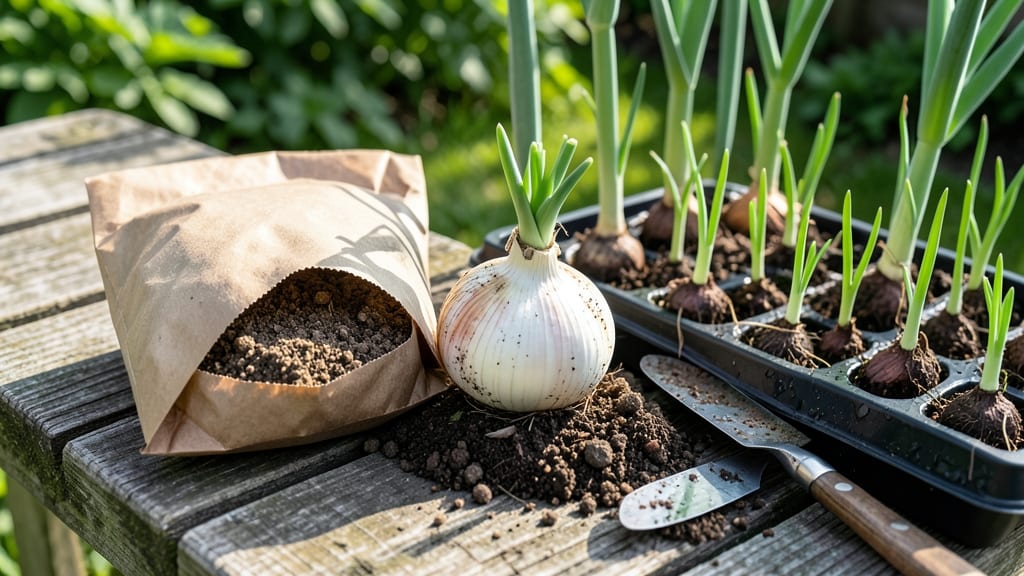
To plant onion seeds in Texas, aim for late September to early November for fall planting or early February to March for spring—timing that aligns with your region’s frost-free window.
Texas gardeners know timing is everything—plant onion seeds too early, and frost will ruin your crop; too late, and you’ll miss the sweet, flavorful harvest. But with Texas’ diverse microclimates, the “perfect” window varies wildly from the Panhandle to South Texas.
In North Texas, where frost can linger into January, start seeds by October 15 to ensure bulbs mature before heat sets in. Meanwhile, South Texas gardeners can push planting into early November, thanks to milder winters and longer growing seasons.
Below, I break down the exact frost-free deadlines by region, soil prep tips to beat Texas heat, and how to stretch your harvest with successive plantings—so you’re never without fresh 🧅 onions.
Texas onion seed planting zones by region: exact dates for each microclimate
Texas’ diverse climate zones mean your onion seed planting window could span from October to March, depending on where you live. In North Texas, frost is a real threat, while South Texas gardeners can plant year-round with careful timing.
The key is understanding your last frost date and soil temperature thresholds—onions thrive in 50-65°F soil and bolt in summer heat.
For successful onion cultivation, I’ve broken down the optimal planting dates by Texas region, including frost-free deadlines and soil prep tips. Whether you’re in freeze-prone Dallas or mild Houston, these guidelines will help you avoid wasted seeds and maximize your harvest.
| Region | Frost-Free Deadline | Fall Planting Window | Spring Planting Window | Soil Temp for Germination | Notes |
|---|---|---|---|---|---|
| North Texas (Dallas/Fort Worth) | January 15 | October 15 - November 15 | February 15 - March 15 | 50-65°F | Use row covers for early spring |
| Central Texas (Austin/San Antonio) | December 1 | October 1 - November 10 | February 1 - March 10 | 55-65°F | Avoid summer planting—heat causes bolting |
| South Texas (Houston/Beaumont) | November 15 | September 15 - November 1 | January 15 - February 15 | 60-70°F | Can plant year-round with shade cloth |
| West Texas (El Paso/Midland) | January 30 | September 15 - October 30 | February 20 - March 15 | 50-60°F | Drought-tolerant varieties recommended |
In North Texas, where frost dates are unpredictable, I recommend planting short-day onion varieties like Texas Early White in late October. These mature quickly before summer heat sets in. For spring planting, wait until February 15 to avoid bolted, bitter onions—soil temperatures above 70°F trigger flowering.
Central Texas gardeners have a slightly longer window thanks to milder winters. Plant Texas Grano or Yellow Granex in early October for a fall harvest or late February for spring.
The Austin area’s warmer microclimate allows for successive plantings every 3 weeks to stretch your harvest. Always test soil temperature with a thermometer—it should be at least 55°F for germination.
South Texas is the most forgiving region for onion seeds, with year-round planting potential. I’ve had success with fall plantings in September and spring plantings in January, using shade cloth (30-50%) to protect seedlings from intense afternoon sun.
The Houston area’s humidity also means disease pressure is higher, so space plants 4-6 inches apart for airflow and water at soil level to avoid fungal issues.
West Texas presents unique challenges: dry winds and extreme heat. Plant drought-resistant varieties like Texas Early White in late September for a winter harvest or early February for spring. Mulch heavily with straw or wood chips to retain moisture, and water deeply 2-3 times per week once established.
Avoid planting in summer months—the 100°F+ soil will kill seeds before germination.
One critical tip for all Texas regions: pre-sprout seeds indoors 4-6 weeks before outdoor planting. This head start compensates for slow germination in cool soil. Use seedling trays with heating mats set to 70°F—onions germinate best in warmth but grow best in cool
How to extend your onion harvest in Texas: successive planting strategies
Texas’ long growing season means you can enjoy fresh onions year-round with the right successive planting strategy. The key is balancing fall and spring plantings while protecting tender crops from unpredictable freezes.
For example, Texas Grano onions thrive in cooler months, while short-day varieties like Texas Early White handle spring heat better.
Start by planting fall onions in late September to early October for a winter harvest. This gives bulbs time to mature before spring heat sets in. Then, follow up with spring plantings in February for a summer harvest.
The trick is spacing these plantings just right to avoid overlapping harvests and maximize garden space.
Here’s how to stretch your harvest with seasonal tactics:
- 📅 Fall Planting (Sept-Oct): Sow Texas Grano or Yellow Granex 6-8 weeks before first frost. Use row covers to protect from light freezes (28°F+).
- ❄️ Winter Protection: Apply straw mulch (4-6 inches) to insulate bulbs during North Texas freezes (common Dec-Feb).
- 🌱 Spring Follow-Up (Feb-Mar): Plant short-day onions like Texas Early White for summer harvests. Avoid planting after April 1—heat stress stunts growth.
- ☀️ Heat Tolerance Hacks: Use shade cloth (30%) for spring plantings in South Texas (100°F+). Water deeply at soil level to prevent bolting.
- 🔄 Succession Spacing: Stagger plantings every 3-4 weeks in fall/spring for continuous harvests. Example: Plant Week 1 (Sept 15), Week 5 (Oct 1), Week 9 (Oct 15).
Don’t overlook row covers—they’re your secret weapon for extending seasons. In North Texas, covers let you plant onions as early as August for a fall harvest, while in South Texas, they protect spring plantings from late freezes.
For instance, a floating row cover can raise soil temps by 5-8°F, shielding onions from 25°F dips.
Pro tip: Texas Grano onions are perfect for fall because they mature in 90-120 days—ideal for winter harvests before spring heat arrives. Pair them with spring onions (like White Lisbon) for a year-round supply. Just remember: never plant in summer—onions bolt when temps exceed 85°F.
With these strategies, you’ll enjoy homegrown onions from late winter to early fall, even in Texas’ harshest climates. The key is adapting to your microclimate—whether you’re in freeze-prone Amarillo or humid Houston. Happy planting! 🧅