
Plants
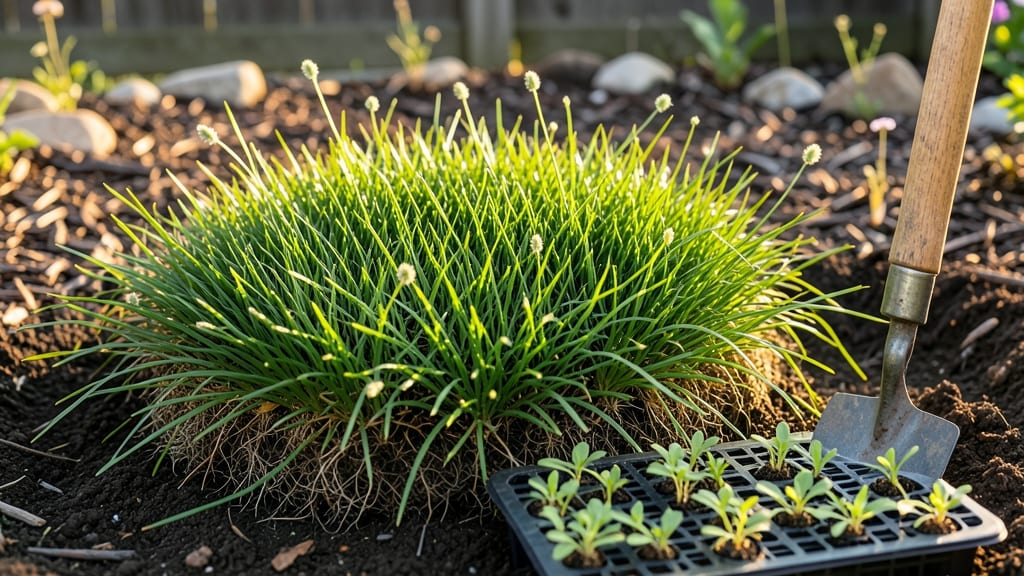
Planting pasture grass in Texas at the right time ensures fast establishment and strong root growth before summer heat or winter dormancy sets in.
If you’ve ever watched seeds sprout only to wilt under scorching July sun or freeze in a late November frost, you know timing is everything.
The difference between lush pastures and wasted effort comes down to knowing when to plant in your specific Texas region—whether that’s North Texas’s cooler springs or the Gulf Coast’s extended growing season.
Cool-season grasses like ryegrass thrive when soil temperatures drop below 70°F, while warm-season varieties like bermuda need 75°F+ to take off. Miss these windows, and you’re fighting the climate instead of working with it.
Below, I break down the best months for each zone, soil prep tips, and how to avoid common mistakes that slow growth.
You’ll learn how to read your local microclimate, adjust for drought resilience, and choose the right grass type for your land—so you can finally get the productive pasture you’ve been aiming for.
Best planting months for pasture grass in Texas by region
Texas’ diverse climate means the best time to plant pasture grass varies dramatically from the Panhandle to the Rio Grande Valley. Cool-season grasses like ryegrass and tall fescue thrive in fall, while warm-season varieties such as bahiagrass and bermudagrass need spring or early summer.
Getting the timing right ensures faster germination and stronger root systems before extreme heat or cold sets in.
In North Texas (including Dallas-Fort Worth and the Panhandle), the ideal window is late August through September for cool-season grasses and April through early May for warm-season types. Meanwhile, the Hill Country and Central Texas can extend this slightly—September through October for fall plantings—thanks to milder winters.
The Gulf Coast and South Texas, however, have longer growing seasons, allowing March through April for cool-season grasses and May through June for warm-season varieties.
Soil temperature is the #1 factor for success. Cool-season grasses need soil temps between 50-70°F, while warm-season grasses prefer 75-85°F. Planting too early or late risks slow germination or even seed rot.
For example, seeding bermudagrass in July’s heat can stress young plants, whereas ryegrass planted in November may struggle with early frosts.
Rainfall patterns also play a critical role. North Texas often sees dry spells in fall, so irrigation may be needed after planting. In contrast, the Gulf Coast benefits from higher humidity and frequent rains in spring, reducing the need for supplemental watering.
Always check local USDA Plant Hardiness Zone maps (Texas ranges from 7b to 10a) to fine-tune your timing.
Here’s a quick reference for optimal planting months across Texas regions, including soil temperature and rainfall considerations:
For cool-season grasses, aim to plant 4-6 weeks before the first frost in your area. In North Texas, this might mean mid-September, while the Rio Grande Valley can extend it to early March.
Warm-season grasses, like bermudagrass, should be planted when soil temperatures consistently stay above 70°F, typically April or May in most regions.
One common mistake is planting warm-season grasses in late summer, when heat stress can kill young seedlings. Instead, opt for early spring or late winter (for South Texas). Similarly, cool-season grasses planted too late (e.g., October in North Texas) may not establish roots before winter dormancy sets in.
Always check your local Texas A&M AgriLife Extension office for
How soil temperature and rainfall affect pasture grass establishment
Soil temperature and rainfall are the two most critical factors when establishing pasture grass in Texas. Cool-season grasses like ryegrass and fescue thrive when soil temps hover between 50-70°F, while warm-season varieties such as bermuda and bahiagrass need 75-85°F for optimal germination.
Texas’ variable climate means these conditions shift dramatically across regions, making timing everything.
In North Texas, for example, soil temps drop below 50°F by late fall, forcing cool-season grasses into dormancy.
Meanwhile, the Gulf Coast can maintain 75°F+ soils well into December, extending the window for warm-season planting. Rainfall patterns further complicate timing—too much moisture after planting can lead to fungal issues, while drought stress halts germination entirely.
⚠️ callout warning ⚠️
⚠️ Critical Planting Deadlines in Texas
Cool-season grasses: Plant 4-6 weeks before first frost (typically August-September in North Texas). Soil temps below 50°F stall germination.
Warm-season grasses: Seed after soil reaches 75°F+ (usually April-May). Planting in late summer risks drought stress before rains return.
Rainfall rule: Aim for 1-1.5 inches of rain weekly post-planting. Use irrigation if natural rainfall falls short.
To maximize success, test soil temps with a soil thermometer before planting. Cool-season grasses should go in when daytime temps are 70-80°F (soils will be 50-70°F at 2-inch depth).
For warm-season varieties, wait until soils hit 75°F+—usually after April 15 in most of Texas. Spring planting (February-March) works for cool-season grasses only if you’re in South Texas, where frost is rare.
Rainfall timing is equally critical. Seedbed preparation should occur when soils are moist but not waterlogged. In drought-prone areas like West Texas, schedule planting for early fall to capitalize on September-October rains.
If natural rainfall lags, use drip irrigation to maintain 1-1.5 inches of moisture weekly until germination (typically 10-21 days for most grasses).
One common mistake is planting warm-season grasses in late summer without ensuring follow-up moisture. Bahiagrass and bermuda may sprout but fail to establish roots if rains don’t arrive within 2 weeks.
Conversely, cool-season grasses planted in late fall risk winterkill if soil temps dip below 40°F. Always check local frost dates and adjust your timeline accordingly.
For Texas-specific prep, till or disk the field to a 3-4 inch depth 2-3 weeks before planting.
This allows time for weed seeds to germinate (so you can kill them with a pre-plant herbicide) and for soils to settle. Add compost or aged manure to improve water retention—critical in Texas’ calcareous soils.
Finally, calibrate your planter for 15-20 lbs of seed per acre; deeper planting (>1 inch) reduces germination rates.
With the right soil temps, rainfall timing, and field prep, your pasture grass can establish in 4-6 weeks—giving you a head start on grazing or hay production.
Monitor conditions closely, and don’t hesitate to adjust your planting date if weather forecasts shift. Patience and preparation are key to beating Texas’ unpredictable climate. 🌱