
Trees
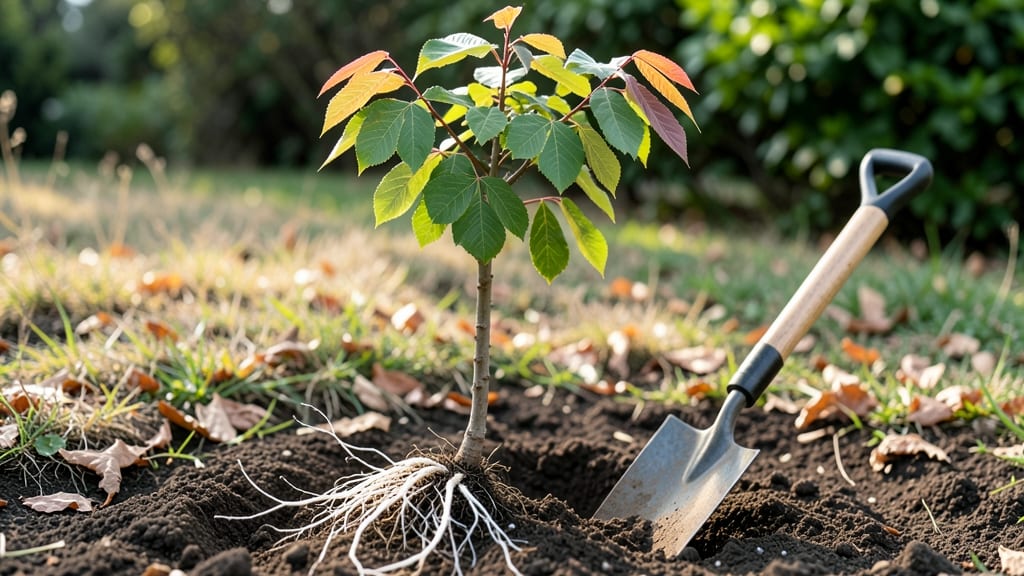
Planting pecan trees in Louisiana between late winter and early spring lets them establish roots before the brutal summer heat arrives — that’s the fastest way to set them up for success.
Louisiana’s humid subtropical climate offers a narrow but critical window for planting these 🌰 giants—plant too early and risk frost damage, too late and face stifling summer heat. Timing isn’t just about seasons; it’s about maximizing root growth before the heat sets in permanently.
If you’ve ever watched a young pecan tree wilt under Louisiana’s midday sun, you know how critical this window is. The key is getting those roots deep and strong by March or April, when soil temperatures are ideal but the worst heat stress hasn’t kicked in yet.
Below, I’ll break down the exact months that work best for your USDA zone, how to prepare your soil, and the one trick that helps pecan trees survive Louisiana’s intense summers from day one.
Best planting months for pecan trees in Louisiana’s climate zones
Louisiana’s humid subtropical climate creates a unique challenge for pecan tree planting—too early and late-winter frosts can damage young roots, while planting too late exposes saplings to intense summer heat before they establish strong root systems.
The key is timing your planting to align with soil warming trends and rainfall patterns that maximize root growth before the heat sets in permanently.
Across Louisiana’s USDA zones 8a-9b, the ideal window spans from late February through early April, with March being the sweet spot for most regions. This timing allows roots to establish before the oppressive summer heat (often exceeding 90°F by May) becomes a stress factor.
Northern Louisiana (zone 8a) has slightly earlier frost risks, while southern areas (zone 9b) can extend planting into early April with minimal risk.
Here’s how to leverage Louisiana’s climate for successful pecan tree establishment:
For northern Louisiana (zone 8a), prioritize planting by late February to avoid late-winter frosts that can kill young roots. In these areas, bare-root saplings are ideal because they establish faster than container-grown trees. Use black plastic mulch to warm the soil and protect roots from temperature swings.
In central and southern Louisiana (zones 8b-9b), you have more flexibility. Planting in March gives roots 3-4 months of ideal growing conditions before summer heat arrives. Container-grown trees can handle slightly later planting (early April) because their root systems are less susceptible to transplant shock.
Just ensure the container is removed intact to avoid root circling.
One common mistake is planting in May or later, assuming the tree will "catch up." However, summer heat stress (consistently above 90°F) can stunt root growth by 50% or more.
Young pecan trees need 6-8 weeks of cooler temperatures to establish before facing Louisiana’s humid heat and soil moisture loss.
If you miss the ideal window, consider fall planting in November—but only in zone 9b where frost is rare. In colder zones, fall-planted trees risk root heaving during freeze-thaw cycles. For zones 8a-8b, stick to spring planting and use row covers if late frosts are forecasted.
Local microclimates also play a role. For example, New Orleans (zone 9b) can plant up to early April with minimal risk, while Shreveport (zone 8a) should finish by mid-March. Check your local agricultural extension office for last-frost-date averages—these vary yearly due to climate shifts. For
Critical factors that determine your exact planting timeline
Your pecan tree planting window in Louisiana isn’t one-size-fits-all—it shifts dramatically based on soil temperature, local rainfall patterns, and even your specific microclimate. In Baton Rouge, for example, the ideal window might be 2-3 weeks earlier than in Shreveport due to warmer spring soil.
These variables can mean the difference between healthy root establishment and heat stress before your tree even breaks dormancy.
Start by checking your last frost date, but don’t rely solely on averages. Louisiana’s humid subtropical climate creates unpredictable pockets where frost lingers in higher elevations (like North Louisiana) while southern parishes see warmer soils weeks earlier.
Even a 5°F difference in soil temperature can delay or accelerate root growth by 3-4 weeks, making precise timing critical.
Key Variables That Shift Your Planting Window
- 🌡️ Soil Temperature: Pecans need 60°F+ soil to root effectively—test with a soil thermometer in Baton Rouge (warmer earlier) vs. Shreveport (cooler later).
- 🌧️ Rainfall Timing: Dry spells in March may require supplemental watering; heavy April rains can delay planting by 2-3 weeks due to soggy soil.
- 🗺️ Microclimates: River valleys (e.g., Red River) warm faster than hilly areas (e.g., Kisatchie National Forest)—plant 10-14 days earlier in valleys.
- 🌿 Tree Variety: Native Louisiana varieties (e.g., Cape Fear) tolerate cooler soils better than southern hybrids like Desirable.
- ☀️ Sun Exposure: South-facing slopes reach 60°F soil 1-2 weeks earlier than north-facing sites.
Use a soil thermometer to confirm readiness—60°F soil temperature is your minimum threshold for planting.
In North Louisiana (USDA Zone 8a), this often aligns with late March to early April, while South Louisiana (Zone 9a) can start as early as mid-February in microclimates like New Orleans or Lafayette.
Pro tip: Bare-root saplings establish faster in warmer soils, so prioritize container-grown trees if planting in cooler microclimates.
Don’t ignore rainfall forecasts—consistent moisture after planting is crucial, but excessive rain can suffocate roots. In Shreveport’s clay-heavy soils, for example, planting in dry conditions and mulching heavily prevents waterlogging.
Meanwhile, Baton Rouge’s sandy loam drains faster, allowing earlier planting with less watering stress. Adjust your timeline based on 7-day rainfall predictions from the National Weather Service.
For urban gardeners, heat islands (like New Orleans’ downtown) can create microclimates 5-10°F warmer than rural areas, shifting your window 2 weeks earlier.
If you’re unsure, plant 2-3 weeks before your local average last frost date—pecan roots are resilient and can handle light frost if established properly. Just avoid freezing soil, which halts root growth entirely.
Finally, local nurseries are your best resource—ask when they’ve had the most success with bare-root vs. container-grown trees in your area. Many Louisiana nurseries recommend February-March for North Louisiana and January-February for South Louisiana, but these are general guidelines.
Combine this with your soil temperature, rainfall data, and microclimate to pinpoint your exact window—because in Louisiana, timing isn’t just about the calendar.