
Plants
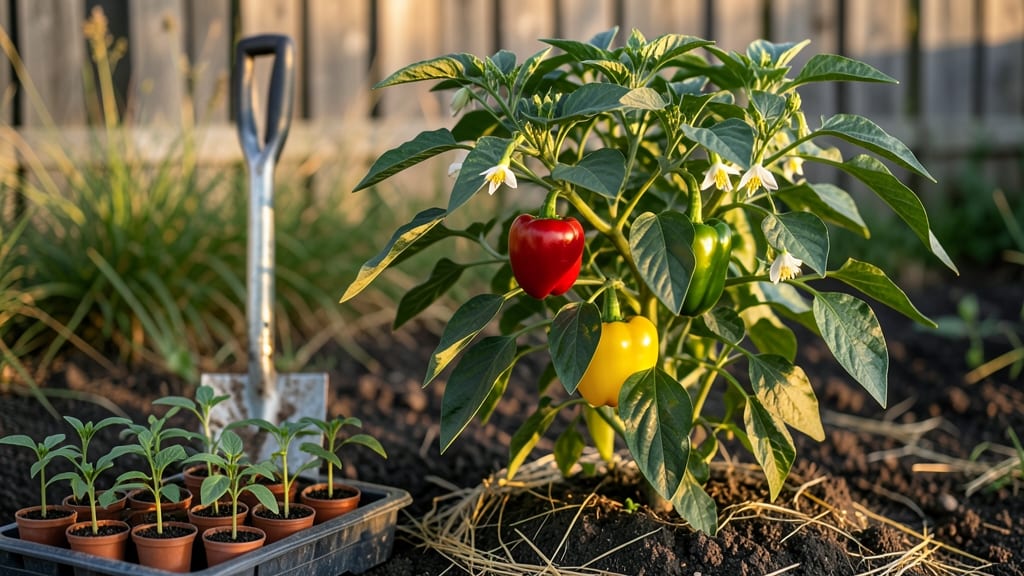
Planting peppers in Illinois after the last frost — around mid-April — is your best bet for a thriving garden 🌶️.
Timing is everything when growing peppers in Illinois—plant too early and frost will kill them, too late and you’ll miss the heat they crave. But with the right zone-specific schedule, you can enjoy a bountiful harvest of bell peppers, jalapeños, and more.
Soil temperatures need to hit at least 60°F before you even think about sticking those seedlings in the ground. In northern Illinois, that might mean waiting until early May, while southern regions can start a little earlier.
Below, I’ll break down the exact dates for your zone, plus pro tips for protecting your plants from late frosts and maximizing your harvest from July to October.
Illinois planting zones for peppers: exact dates by hardiness zone
Peppers are heat-lovers that need consistent warmth to thrive, making Illinois' planting timeline critical for success. The state spans USDA Zones 5-6, where last frost dates vary by 1-2 weeks from north to south.
For example, Chicago (Zone 5b) typically sees its last frost around April 20, while St. Louis (Zone 6a) can plant as early as April 5. These differences mean your pepper planting window could shift by 2 weeks depending on location.
Beyond frost dates, peppers demand soil temperatures above 70°F to germinate and grow. In Illinois, this usually means waiting until mid-May in northern zones or late April in southern areas. Using a soil thermometer is my top tip—don't guess!
I've seen seedlings rot when planted in 55°F soil, despite warm air temperatures. Black plastic mulch can help raise soil temps by 5-10°F if you're eager to get started.
Here's the zone-by-zone breakdown you need to plan your pepper planting with confidence:
| USDA Zone | Last Frost Date | Safe Planting Window | Soil Temp Requirement | Transplant Strategy |
|---|---|---|---|---|
| Zone 5a (Northern IL) | May 5-10 | May 15-20 (direct sow) / May 25 (transplants) | 70°F+ minimum | Start indoors March 15; transplant after last frost |
| Zone 5b (Central IL) | April 20-25 | May 1-10 (direct sow) / May 15 (transplants) | 70°F+ minimum | Start indoors March 1; transplant April 25-May 1 |
| Zone 6a (Southern IL) | April 5-10 | April 20-May 5 (direct sow) / May 1-10 (transplants) | 65°F+ minimum | Start indoors Feb 15; transplant April 10-15 |
| All Zones | N/A | Late July (successive planting) | 70°F+ minimum | Use heat-tolerant varieties; harvest before frost |
For direct sowing (planting seeds outdoors), I recommend waiting until 2 weeks after your last frost date to give the soil time to warm. Peppers grow best in 60-85°F soil, so if your area has cool springs, consider black plastic mulch to accelerate warming.
In my Zone 5b garden, I've found that planting directly in early May gives peppers a 2-week head start compared to transplants.
If you're using transplants (purchased seedlings), harden them off for 7-10 days before planting. I always move mine outdoors gradually, starting with 2 hours of shade on day one and increasing exposure daily. Transplanting too early can shock plants, setting back growth by 2-3 weeks.
Pro tip: Plant transplants deeper than the root ball—pepper stems naturally develop roots along their length, giving you stronger plants.
Illinois gardeners can extend their pepper season with successive plantings. Sow a second batch in late July for a fall harvest. Choose fast-maturing varieties like 'Early Jalapeno' (60 days) or 'Lunchbox' (55 days) to ensure they ripen before first frost.
I've had success with this method in Zone 5b, harvesting peppers until mid-October with proper protection.
Microclimates play a big role in Illinois. Urban areas like Chicago often experience heat islands that warm soil faster, while rural areas may stay cooler. If your garden sits in a low spot, frost can linger 1-2 weeks longer.
I always check my neighbor's garden—if their peppers are thriving while mine aren't, it's often a microclimate difference. Consider using row covers in early spring for an extra 2-3°F warmth boost.
Remember, peppers need full sun (6+ hours daily) and well-draining soil with a pH of 6.0-6.8. Amend heavy clay soil with compost or sand to prevent root rot. I've learned the hard way that soggy soil + cool temps = pepper plant death.
Always plant in a location with afternoon shade if your summers get scorching, especially in Zone 6a where temps can exceed 90°F.
With these zone-specific dates and strategies, you'll maximize your pepper harvest in Illinois. Start early, monitor soil temps, and don't be afraid to experiment with successive plantings—your taste buds will thank you! 🌱🌶️
Peppers vs. frost: how to extend your growing season in Illinois
Illinois gardeners know the struggle—peppers crave warmth, but our unpredictable spring frosts can wipe out seedlings overnight. Even in USDA Zones 5-6, late frosts in May and early frosts in October threaten your harvest.
The key? Strategic planning to shield your plants and choose varieties that mature quickly enough to beat the chill.
I’ve learned the hard way that fast-maturing varieties like 'Early Jalapeno' (60 days) give you a fighting chance, while slower growers like 'Carolina Wonder' (120 days) need extra protection. Pair that with season-extending tools, and you can push your harvest into October—just when those fall flavors peak.
⚠️ callout warning
Peppers planted after May 15 in Illinois risk stunted growth from short daylight hours. Start seeds indoors by March 1 for transplanting after last frost (April 15 average). For direct sowing, wait until soil hits 60°F+—use a soil thermometer!
My go-to method for late spring protection is floating row covers. These lightweight fabrics let sunlight through while blocking 28°F+ frosts. I drape them over hoops or stakes and secure with bricks—no digging required.
For early fall harvests, I use low tunnels (row covers over wire hoops) to trap heat and delay frost sensitivity by 2-3 weeks.
Cold frames are another game-changer for northern Illinois gardeners. A simple DIY frame with clear plastic walls can raise soil temps by 10-15°F on sunny days. I’ve grown 'Lunchbox' peppers (50 days) until mid-October using this method—just remove the cover during the day to prevent overheating.
Pair it with black plastic mulch to warm the soil faster.
Variety selection makes all the difference. 'Arpad F1' bell peppers mature in 70 days and tolerate cooler temps better than most. For heat lovers, 'Jalapeño M' (75 days) is a reliable pick.
Pro tip: Plant two successions—one in early May and another in late June—to stagger your harvest and minimize frost risk.
Even with protections, monitor your plants closely. Frost-damaged leaves turn black and mushy—prune them immediately to redirect energy to new growth. If temps drop below 32°F, cover plants with old blankets or cardboard (yes, really!) until the threat passes.
With these tricks, I’ve extended my pepper season by 6-8 weeks—worth every effort for homegrown spice!