
Plants
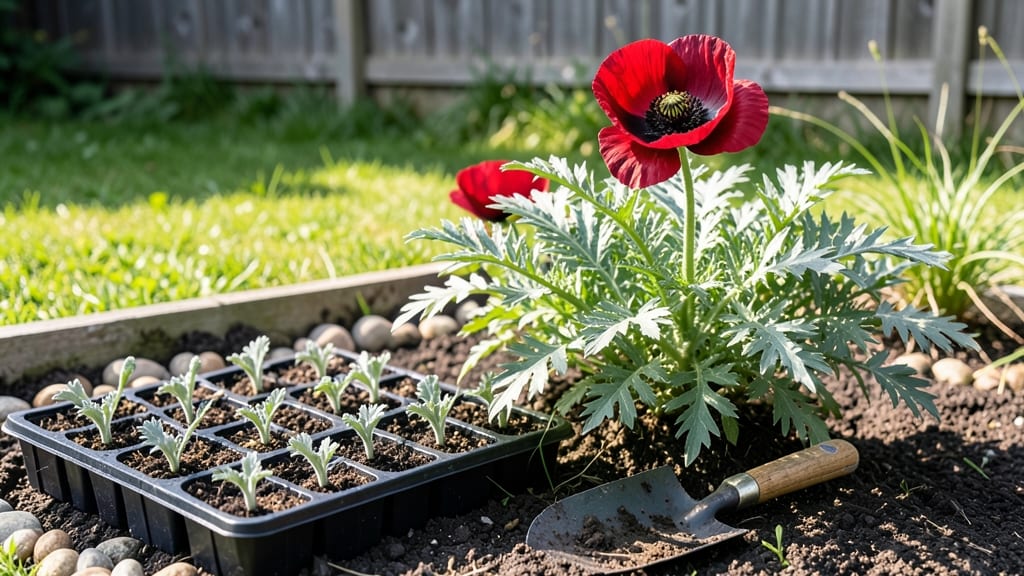
Planting poppies in Michigan at the right time means the difference between a vibrant summer display and seeds that rot in the ground.
Michigan’s unpredictable spring weather can make poppy planting a gamble—but timing it right ensures vibrant blooms that last from early summer to fall. Learn the exact frost-free windows, zone-specific deadlines, and variety-based strategies to plant poppies successfully in Michigan’s climate.
For gardeners in USDA zones 5b-6b, the ideal window is early spring (March-April) or early fall (August-September). Direct sowing after the last frost (around April 15) or 6-8 weeks before the first frost for fall blooms gives poppies the best start.
Below, I’ll break down the best varieties for Michigan, soil prep tips, and how to extend blooms—so you can enjoy 🌸 after 🌸 all season long.
Michigan poppy planting deadlines by USDA hardiness Zone (with frost dates)
Michigan’s USDA Zones 4-6 create unique planting windows for poppies, where timing can mean the difference between vibrant summer blooms and missed opportunities. The state’s last frost dates vary dramatically—Detroit averages April 15, while Traverse City often waits until May 1.
Understanding these deadlines helps you align your poppy planting with Michigan’s unpredictable spring weather patterns.
For most of Michigan, spring planting should begin 4-6 weeks before your area’s last frost date. In Zone 5b (Detroit, Grand Rapids), this means starting seeds indoors by March 15 or direct sowing after April 15.
In colder Zone 4 areas (Upper Peninsula), wait until May 1 for outdoor planting to avoid frost damage.
Fall planting offers a second chance for blooms. Sow seeds 6-8 weeks before your first frost—typically August 15 in southern Michigan and September 1 in northern regions. This strategy lets poppies establish roots before winter while still producing late-summer flowers.
| USDA Zone | Last Frost Date | Spring Planting Window | Fall Planting Window | Key Cities |
|---|---|---|---|---|
| Zone 4 | May 1 | May 1 - May 31 | September 1 - September 15 | Marquette, Sault Ste. Marie |
| Zone 5b | April 15 | April 15 - May 15 | August 15 - September 1 | Detroit, Grand Rapids |
| Zone 6a | April 5 | April 1 - April 30 | August 1 - August 15 | Traverse City, Kalamazoo |
Direct sowing poppy seeds is the preferred method in Michigan because transplants struggle with the state’s cool, wet springs.
For annual poppies, scatter seeds ¼ inch deep in loose, well-draining soil after the last frost. Perennial varieties like oriental poppies benefit from a 2-week head start indoors, starting seeds in late February for Zone 5b.
Adjust your schedule if Michigan’s weather throws curveballs. A late frost in May? Cover seedlings with frost cloth until temperatures stabilize. For early blooms, start a second batch of seeds 3 weeks later than your initial planting to extend the flowering season.
Northern Michigan gardeners should prioritize cold-hardy varieties like Iceland poppy (Papaver nudicaule) for Zone 4, while southern regions can experiment with heat-tolerant annuals such as California poppy (Eschscholzia californica). Always check your local Almanac frost dates—they’re more reliable than zone averages for precise timing.
Remember that poppies bolt quickly when conditions are right. In Michigan’s climate, this usually means 60-90 days from planting to bloom. Staggering plantings every 2-3 weeks in spring ensures a continuous display from June through August.
For containers or small gardens, use biodegradable pots to transplant seedlings after frost. This method reduces shock and gives poppies a competitive edge in Michigan’s crowded garden beds. Always water deeply once established—poppies hate soggy soil but thrive with occasional deep hydration.
Pro tip: Mark your calendar for June 15—this is when most Michigan poppies reach peak bloom. Plan your garden layout around this timeline to maximize visual impact during summer gatherings and outdoor events.
Best poppy varieties for Michigan gardens & their ideal planting times
Michigan’s cool springs and short growing seasons demand poppy varieties that thrive in USDA Zones 5b-6b. Whether you prefer annual poppies for instant color or perennial poppies for long-term beauty, timing is everything.
Annuals like California poppy and Iceland poppy tolerate frost, while oriental poppies need careful timing to avoid bolting in Michigan’s heat.
For spring blooms, focus on annual varieties that germinate quickly in cool soil. Perennials like meadow poppy and corn poppy can handle early fall planting for next-year displays.
My top picks for Michigan gardens balance cold hardiness with heat tolerance, ensuring vibrant blooms from May through September.
Here’s your poppy planting timeline for Michigan’s climate, broken down by variety and season:
- 1 Annual Poppies (California, Iceland, Corn): Sow directly outdoors in early spring (March-April) as soon as soil reaches 40°F. These tolerate light frost and bloom in 60-90 days.
- 2 Oriental Poppies (Perennial): Plant bare-root crowns in early spring (April) or early fall (September) for Zone 5b-6b hardiness. Avoid transplanting when soil is warmer than 70°F.
- 3 Fall Planting Window: Sow annual poppies in late August-September for early spring blooms. Perennials like meadow poppy can be planted until 6 weeks before first frost (mid-October).
- 4 Michigan-Adapted Heirlooms: Try ‘Black Bat’ oriental poppy (perennial) or ‘Flamingo’ corn poppy (annual) for bold colors and drought tolerance. Both thrive in well-draining soil and full sun.
- 5 Succession Planting Tip: Stagger annual poppy sowings every 2-3 weeks from March to June for continuous blooms through summer. Perennials benefit from fall mulching to protect roots.
Annual poppies like California poppy (Eschscholzia californica) are my go-to for low-maintenance color. Their self-seeding habit means they’ll return year after year, even in Zone 5b. For heirloom varieties, try ‘Golden State’ or ‘Pembroke’, both of which handle Michigan’s humidity better than tropical hybrids.
Perennial oriental poppies (Papaver orientale) reward patience with large, showy blooms but need well-draining soil to prevent rot. In Michigan, plant them in raised beds if your native soil is clay-heavy.
Their bolting tendency in heat means avoiding late spring transplanting—stick to early spring or fall for best results.
For wildflower meadows, mix corn poppy (Papaver rhoeas) with black-eyed Susan and yarrow. These drought-tolerant annuals thrive in poor soil and self-sow aggressively, creating low-maintenance pollinator havens. Plant them in March or September for spring and fall blooms.
Pro tip: Mark your poppy planting calendar with last frost dates (April 15 in Detroit, May 1 in Traverse City). Annual poppies can handle light frost, but perennials like oriental poppies need established roots before winter. Mulch heavily in November to protect crowns from freeze-thaw cycles.