
Plants
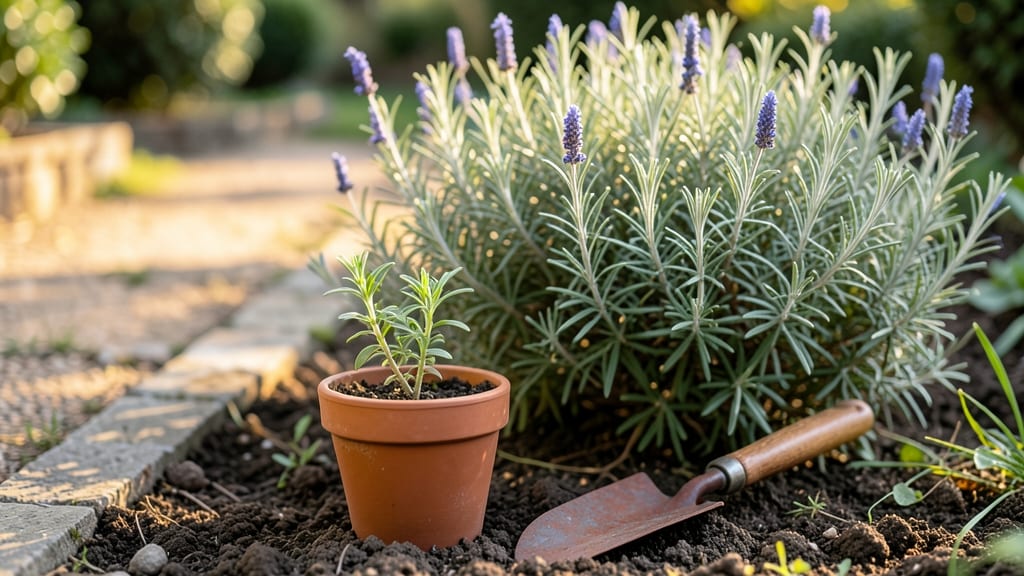
To plant rosemary in NC at the right time means timing it with your local microclimate—whether you’re in the Coastal Plains, Piedmont, or Mountains—so it thrives year-round.
Picture this: You’ve finally picked out the perfect spot for your 🌿 rosemary, but if you plant it too early, a late frost will shock the roots. Too late, and the summer heat arrives before the plant establishes itself.
North Carolina’s diverse zones—from 6a’s cooler highlands to 8b’s warmer coasts—mean the ideal window shifts by weeks.
Most gardeners in NC get it wrong by focusing only on the calendar. The real secret? Soil temperature, frost dates, and even your yard’s sun exposure.
I’ll walk you through the exact months to plant in each zone, how to prep soil for rosemary’s drought-loving roots, and the one trick that keeps it growing through our mild winters.
By the end, you’ll know whether to plant in March or September—and why a 5-minute soil check could save your rosemary from failure. Let’s get started.
Best planting months for rosemary in NC by microclimate zone
North Carolina’s three distinct microclimate zones—Coastal Plains, Piedmont, and Mountains—each offer unique planting windows for rosemary. The key? Plant when soil temperatures hit 60°F+ and avoid frost risks.
In the Coastal Plains (Zone 8a-8b), you can even direct-sow rosemary in late winter, while mountain gardeners must wait until late spring. Let’s break down the best months for each zone to ensure your rosemary thrives.
Rosemary is surprisingly versatile in NC—it can be direct-sown or transplanted, but timing varies by zone. The Coastal Plains enjoy a longer growing season, while the Mountains (Zone 6a-7a) face earlier frosts.
Even in colder zones, rosemary can survive winters if planted early enough and given proper care. Below, we’ll cover the ideal months for each zone, including soil temperature thresholds and frost-free windows.
🌱 Soil Temperature Rule: Rosemary roots struggle below 50°F, so wait until soil warms to 60°F+ for transplanting. Use a soil thermometer to check—this is non-negotiable for success. In the Piedmont, this typically aligns with mid-April, while the Coastal Plains can start as early as February for direct sowing.
⚠️ Frost Risk: Avoid planting rosemary 4-6 weeks before the average first frost. In the Mountains, this means waiting until late May for direct sowing, while the Coastal Plains can plant as late as October for fall establishment. Always check your local USDA zone for precise dates.
📅 Planting Windows by Zone:
In the Coastal Plains, rosemary can be direct-sown as early as February if you’re aiming for a spring harvest. The mild winters here allow for year-round growth, but avoid planting in July-August when humidity spikes and fungal risks increase.
For transplanting, September is ideal—rosemary establishes roots before winter and survives with minimal protection.
The Piedmont offers a balanced climate, making April-May the sweet spot for direct sowing. If you’re transplanting, September is your best bet—rosemary needs 6-8 weeks to root before winter sets in.
Use 3-4 inches of mulch around the base to insulate roots during cold snaps. In this zone, avoid planting after October, as frosts can damage tender new growth.
Mountain gardeners face the biggest challenges but can still grow rosemary successfully. May-June is the only safe window for direct sowing, while August-September works for transplants. The shorter frost-free window means rosemary may need to be potted and moved indoors for winter.
Choose dwarf varieties like ‘Blue Spires’ for easier overwintering in containers.
🌡️ Soil Prep Tip: Rosemary hates soggy soil—amend heavy clay with sand or perlite to improve drainage. Test your soil’s pH (ideal range: 6.0-7.0) and adjust with lime if needed. In sandy soils (common in the Coastal Plains), mix in compost to retain moisture without suffocating roots.
Once planted, rosemary is low-maintenance but benefits from occasional pruning to encourage bushier growth. In Coastal Plains, you can harvest leaves year-round, while Mountain zones may need to
How to extend rosemary’s growing season in NC’s harsh winters
North Carolina’s Piedmont and Mountain regions face brutal winters that can kill rosemary if left unprotected. Even USDA Zone 7a gardeners must act strategically—rosemary’s tender roots can’t survive temperatures below 20°F. The good news? With these season-extending hacks, your rosemary can survive—and even thrive—through NC’s coldest months.
First, recognize that rosemary’s dormancy period is your ally. Unlike annuals, it naturally slows growth in winter, but frost damage will kill it outright. The key is creating a protective microclimate that mimics its Mediterranean homeland.
Whether you’re growing in-ground or containers, these practical strategies will keep your rosemary alive until spring.
🌿 5 Proven Ways to Protect Rosemary in NC Winters
- 1. Mulch heavily with 4-6 inches of straw or pine needles to insulate roots. Replenish after snowmelt.
- 2. Move containers to sheltered spots (e.g., against south-facing walls) and wrap pots in bubble wrap.
- 3. Prune back by 1/3 in late fall to reduce winter dieback. Avoid heavy pruning after first frost.
- 4. Overwinter indoors in bright, cool rooms (50–60°F) with minimal watering (every 3–4 weeks).
- 5. Use row covers or mini greenhouses for in-ground plants when temps drop below 25°F.
For container-grown rosemary, my top recommendation is overwintering indoors. Place pots near a south-facing window where they’ll get 4–6 hours of light daily. Reduce watering to once a month—rosemary’s roots rot easily in soggy soil.
If you notice yellowing leaves, it’s a sign of overwatering, not cold stress.
In-ground rosemary needs mulch as its first line of defense. Spread straw or wood chips around the base in October, then top up after the first frost.
This creates an insulating blanket that keeps soil temps above freezing. Pair this with a lightweight row cover during extreme cold snaps (below 20°F) for double protection.
Pruning is often misunderstood in winter care. Never prune after frost—this stresses the plant when it’s already vulnerable. Instead, do a light shaping in late fall (September–October) to encourage compact growth.
In early spring (March), prune again to remove dead wood and stimulate new shoots. This two-step approach ensures your rosemary rebounds quickly.
If you’re in Zone 6a or higher elevations, consider growing rosemary in large containers (12+ inches deep) for easier winter moves. Fill pots with a sandy, fast-draining mix (60% potting soil, 30% perlite, 10% compost) to prevent root rot.
When temps drop below 25°F, roll containers into an unheated garage or shed—just keep them out of freezing conditions.
With these strategies, your rosemary can survive NC’s winters—and even regrow vigorously in spring. The key is proactive protection, not last-minute fixes. Start prepping in late fall, and your herb garden will thank you with fragrant, flavorful leaves all year round. 🌿