
Plants
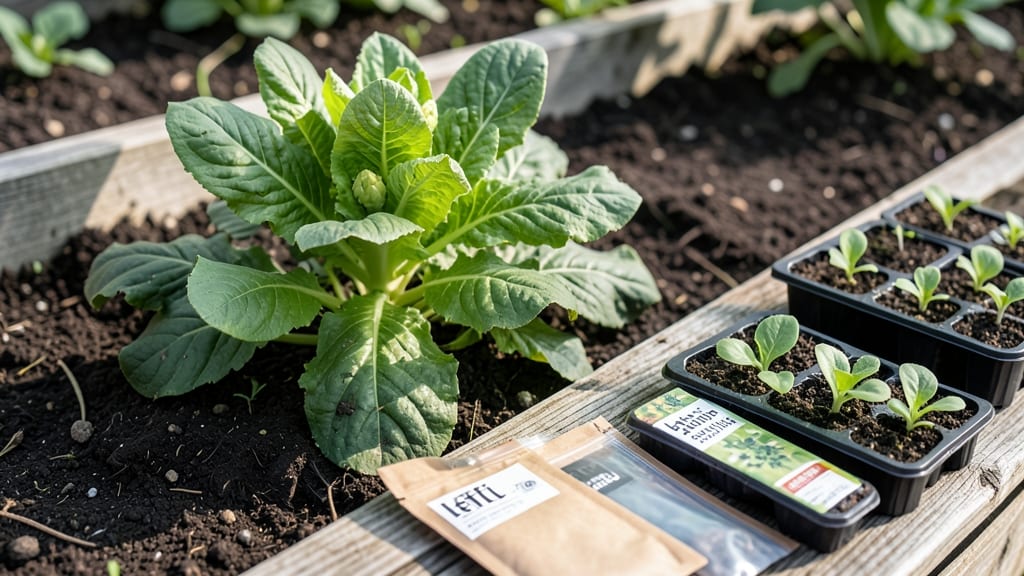
Planting seeds in Missouri at the right time means the difference between a bountiful harvest and a wasted effort—especially when spring frost can strike as late as April 15 in many zones.
Missouri’s unpredictable spring weather can turn a gardener’s carefully planned seed-starting schedule into a guessing game—but timing is everything for a thriving harvest.
Whether you’re growing General Vegetables & Herbs 🌱 or delicate flowers, missing your window by even a week can leave you scrambling to replant or watching your seeds rot in cold soil.
With USDA zones 5b-6b across the state, the last frost date shifts from early April in St. Louis to late April in Kansas City, and even later in rural areas.
That means your spring planting window (March 15–May 15) is tighter than you think, and warm-season crops like tomatoes need to wait until after May 15 to avoid frost damage.
Below, I’ll break down the exact deadlines for starting seeds indoors, direct-sowing outdoors, and adjusting for your specific Missouri zone—so you can plant with confidence and skip the last-minute panic.
Missouri planting zones & frost dates: your seed-sowing timeline
Missouri spans USDA hardiness zones 5b through 7a, meaning your last spring frost can arrive anywhere from mid-April in northern areas to early April in southern regions. These variations create distinct planting windows that determine whether you’ll start seeds indoors or sow directly outside.
Understanding your local frost dates is the first step to avoiding frost-damaged seedlings or missed harvests.
For most of Missouri, the average last frost date falls between April 15 and May 1, while the first frost of fall typically arrives between October 15 and November 1.
St. Louis (zone 6a) usually sees its last frost around April 20, while Kansas City (zone 5b-6a) often waits until April 25. Rural areas in northern Missouri can experience frost as late as May 10, so always check local records.
Here’s how to use these dates: Cool-season crops like lettuce and peas thrive when planted 4-6 weeks before your last frost, while warm-season crops such as tomatoes and peppers need to wait until 2-3 weeks after the frost danger has passed.
Starting seeds indoors extends your growing season—just be ready to transplant outdoors once soil temperatures reach 60°F for warm-season plants.
Missouri’s frost-free growing season averages 165 days, but this varies by zone. Southern Missouri (zone 7a) enjoys an extra 2-3 weeks of warmth compared to northern areas. Use this timeline to plan succession plantings for continuous harvests, like sowing radishes every 2 weeks from March through August.
Now, let’s break down your seed-sowing timeline by region and crop type for a foolproof Missouri garden.
| Region/Zone | Avg. Last Frost | Cool-Season Start Indoors | Direct Sow Cool-Season | Warm-Season Start Indoors | Transplant Outdoors |
|---|---|---|---|---|---|
| Northern MO (Zone 5b) | May 1 | March 15 | April 1 | March 1 | May 15 |
| St. Louis (Zone 6a) | April 20 | March 1 | March 15 | February 15 | April 30 |
| Kansas City (Zone 5b-6a) | April 25 | March 1 | March 20 | February 20 | May 1 |
| Southern MO (Zone 7a) | April 10 | February 15 | March 1 | January 15 | April 15 |
| Urban Heat Islands (e.g., St. Louis) | April 10 (earlier) | February 28 | March 10 | February 1 | April 20 |
For cool-season crops, like kale, spinach, and carrots, start seeds indoors 6-8 weeks before your last frost to give them a head start. Direct-sow hardy varieties like peas and radishes as soon as soil is workable—usually 2-4 weeks before your last frost.
In Missouri, this often means mid-March for southern zones and early April for northern areas.
Warm-season crops such as tomatoes, peppers, and cucumbers need soil temperatures above 60°F to thrive. Begin these indoors 8-10 weeks before your last frost (typically late January to early March for Missouri).
Transplant seedlings outdoors only after the soil has warmed—use a soil thermometer to confirm. In cooler zones, wait until late May to avoid
Best vegetables & flowers to plant by month in Missouri
Missouri’s diverse climate means your planting schedule should shift between northern (like St. Louis) and southern regions (like Springfield). For example, northern Missouri’s last frost date often falls around April 15, while southern areas can plant 2-3 weeks earlier.
Understanding these differences ensures your cool-season crops thrive before summer heat arrives.
Start with cool-season vegetables like lettuce and spinach in early spring, then transition to warm-season favorites such as tomatoes and peppers after the frost risk passes. Flowers like marigolds and zinnia also follow this pattern, blooming best when planted at the right time for their soil temperature needs.
🌱 Missouri Planting Timeline by Month
- March: Start indoor seeds for tomatoes, peppers, and basil. Direct-sow spinach, peas, and lettuce in northern Missouri.
- April: Transplant cool-season crops like broccoli and kale. Begin outdoor sowing of carrots, radishes (northern MO) and squash (southern MO).
- May: Plant warm-season crops like beans, cucumbers after last frost. Start marigolds, zinnias for summer blooms.
- June: Succession plant lettuce, bush beans. Sow fall flowers like cosmos for late-season color.
- July-August: Direct-sow cool-season crops (e.g., kale, spinach) for fall harvest. Transplant pumpkins if soil is warm.
- September: Last chance for warm-season crops (e.g., green onions) and flowers like asters.
For northern Missouri, wait until May 1 to plant tomatoes outdoors, as soil may still be too cold. In southern Missouri, you can start 2 weeks earlier—around April 15—thanks to warmer microclimates.
Always check soil temperature with a thermometer: warm-season crops need soil at 60°F+, while cool-season crops tolerate 40-50°F.
Don’t forget succession planting! For example, sow lettuce every 2 weeks from March to September to ensure a continuous harvest. Marigolds planted in May will deter pests and bloom until frost, while zinnias sown in June provide vibrant color until fall.
Adjust timing based on your local frost dates—check the Missouri Climate Center for updates.
Pro tip: Use row covers to extend the season for cool-season crops in spring or fall-planted greens. For flowers, deadhead marigolds in early summer to encourage more blooms, and mulch around zinnias to retain moisture during Missouri’s hot, dry summers.
Missouri’s fall planting window (August–September) is perfect for broccoli, cabbage, and pansies. These crops thrive in cooler temperatures and can handle light frosts. Plan ahead by starting indoor seeds in July for transplanting in August, ensuring a late-season harvest before winter sets in.