
Plants
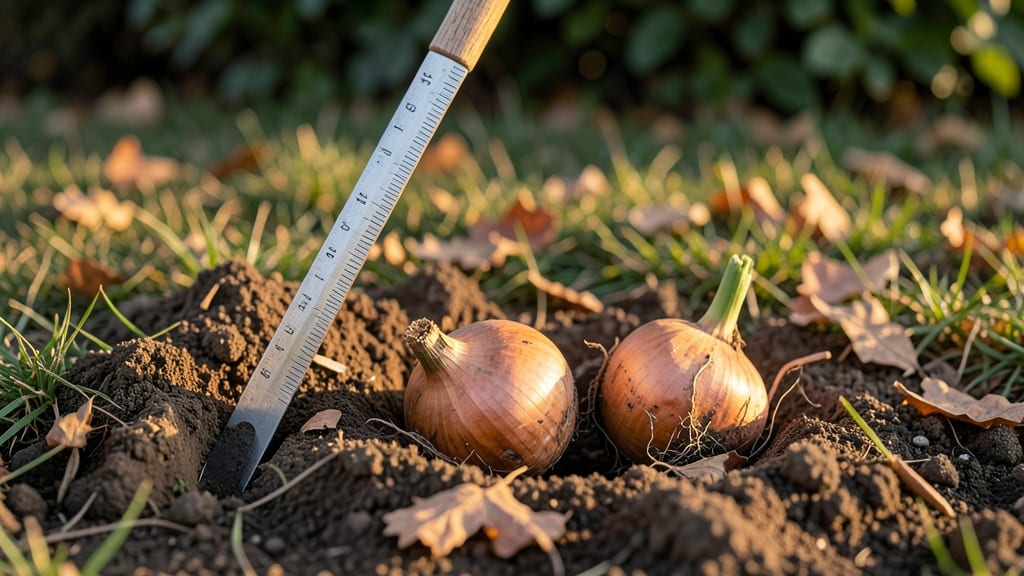
Planting spring bulbs in Ohio at the right time means the difference between a garden bursting with 🌷 color by April and a season of disappointment.
Ohio’s unpredictable spring weather can turn your dream of vibrant tulips and daffodils into a gamble—unless you plant at the perfect time. Timing your spring bulbs right means the difference between showstopping blooms and wilted disappointment, especially in Ohio’s Zone 5-6 climate.
Most gardeners assume spring planting is the only option, but fall is actually the best time—between September and November—when soil temperatures are cooler and bulbs can establish roots before winter. This gives them a head start for next year’s blooms.
In this guide, I’ll break down the exact deadlines for both fall and spring planting, how to adjust for Ohio’s frost dates, and the top 5 bulbs that thrive in your zone—so you can enjoy a garden that pops with color year after year.
Ohio spring bulb planting deadlines by Zone 5-6 variety
Ohio gardeners know that timing is everything when planting spring bulbs. The Zone 5-6 climate means you’ve got just 6-8 weeks before the ground freezes to get bulbs in the soil.
Miss that window, and you risk frost damage or weak growth. But don’t panic—even late plantings can work with the right adjustments.
Most spring-flowering bulbs—like tulips, daffodils, and hyacinths—need to be planted in fall (September to November) to establish roots before winter. However, some varieties, like crocuses and snowdrops, can handle late fall or even early spring plantings. Let’s break down the exact deadlines by variety.
Pro Tip: Use your last frost date (around April 15 in Ohio) as your guide. For fall planting, count backward 6-8 weeks from your first hard frost (usually October 15). For spring plantings, aim for 4-6 weeks before your last frost.
For tulips, the earliest you can plant in Ohio is late September. If you wait until mid-October, your blooms may be smaller or fewer. Daffodils, on the other hand, are more forgiving—they can even handle early December plantings if the ground isn’t frozen.
This flexibility makes them a favorite for Ohio gardeners who miss the fall window.
If you’re planting in spring, aim for March or early April. This works best for daffodils and alliums, which can tolerate cooler soil. However, tulips and hyacinths planted in spring often produce smaller blooms because they miss the chilling period needed for robust growth.
Soil temperature is just as critical as dates. Most bulbs need soil to be between 40-55°F for root establishment. Use a soil thermometer to check—if temps drop below 40°F, delay planting until conditions improve. In Northern Ohio (Zone 5), this usually means wrapping up by early November.
For garden
How to adjust planting timing for Ohio’s unpredictable weather
Ohio’s Zone 5-6 climate throws curveballs with late frosts and unpredictable springs, but smart gardeners know how to work with Mother Nature. The key to successful bulb planting lies in flexibility—adjusting timing, protecting tender shoots, and choosing the right varieties for your microclimate.
I’ve learned that even a 2-week shift in planting can mean the difference between vibrant blooms and frost-damaged stems.
First, extend your planting window by using layering techniques for bulbs like tulips and hyacinths. Plant a portion in early October and another in late November—this spreads risk if early cold snaps arrive.
For daffodils, which handle cold better, you can even push planting into December if the ground isn’t frozen. The secret is soil temperature: aim for 60°F or below to trigger dormancy before winter sets in.
⚠️ WARNING: Late-Frost Risks in Ohio’s Zone 5-6 Ohio’s last frost dates can vary by 2-3 weeks between northern and southern regions. In Northeast Ohio (Zone 5b), expect late frosts until May 10, while Southwest Ohio (Zone 6a) may see April 20 as the cutoff.
Planting tender bulbs like crocuses too early in March risks frost damage—wait until mid-April for safer results. Use frost cloth or straw mulch (3-4 inches) to shield emerging shoots if forecasts warn of 28°F or lower temperatures.
For extra protection, try the "layering method": plant bulbs in containers or raised beds that warm up faster in spring. Fill gaps with compost or leaf mold to insulate roots.
If you’re planting in spring (not ideal but doable), choose cold-hardy varieties like daffodils or alliums and plant them 4-6 weeks before your last frost date. I’ve had success with spring-planted tulips in containers moved to a garage until April—then placed outside for blooms by Mother’s Day.
Mulching is your best friend in Ohio’s freeze-thaw cycles. After planting, cover the bed with 4-6 inches of straw or shredded leaves to regulate soil temperature. Remove mulch in early spring (when shoots appear) to prevent rot from excess moisture. For high-risk areas, like valleys where cold air settles, plant bulbs on mounds or elevated beds to reduce frost exposure. This trick adds 2-3°F of warmth to the soil.
Don’t overlook backup planting dates—they’re your safety net. If October rains turn your soil to mud, delay planting until November 1st (but stop by November 15th before the ground freezes).
For spring planting, mark March 15th as your absolute deadline—any later, and bulbs may not establish roots before blooming. I keep a planting journal to track soil temps and frost dates; it’s saved my tulips more than once!
Finally, choose varieties with resilience. Daffodils and alliums are deer-resistant and frost-tolerant, while tulips need extra protection in harsh winters. For high-altitude areas (like Appalachian Ohio), opt for late-blooming bulbs that miss the April frost window.
With these strategies, you’ll beat Ohio’s weather and enjoy reliable blooms year after year. 🌷