
Plants
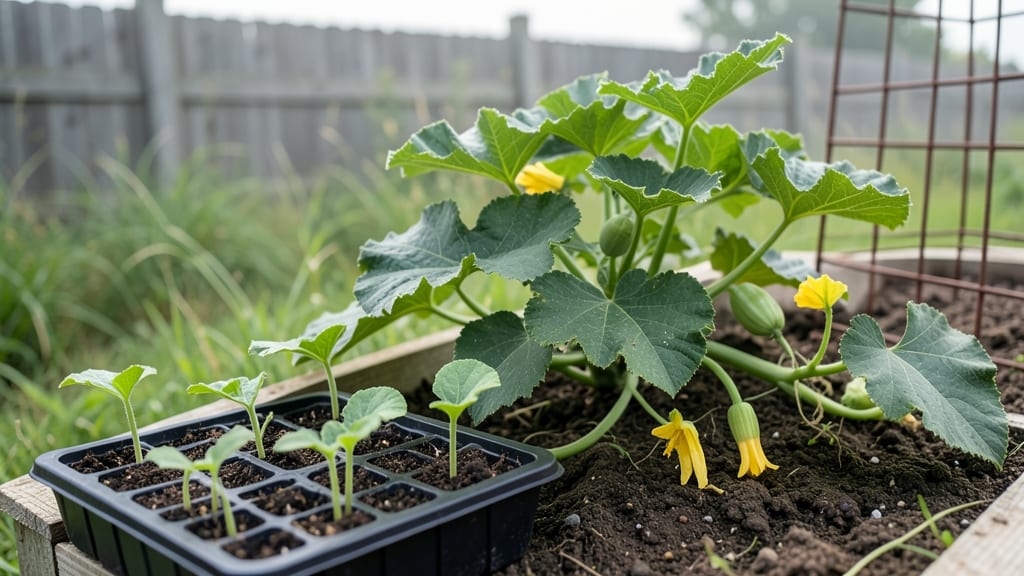
Planting squash in Ohio after the last frost—usually mid-April—sets the stage for a thriving harvest before summer’s heat takes over.
Ohio’s unpredictable spring weather can turn squash planting into a guessing game—but timing your seeds just right ensures a bountiful harvest before summer’s heat peaks.
In USDA Zone 6a, where I garden, waiting for soil to warm to 60°F and all frost danger to pass is the key to avoiding stunted plants or early bolting.
Below, I’ll break down the exact window for summer and winter varieties, soil prep tricks to speed up warming, and how to stretch your harvest into fall—no matter if you’re a first-time gardener or a seasoned pro.
Ohio’s squash planting timeline: frost dates, soil temps & variety-specific rules
Ohio’s three growing zones (5-7) create a tight window for squash planting—too early and frost zaps seedlings, too late and summer’s heat causes bolting. The key? Plant when soil hits 60°F+ and all frost danger has passed.
For most Ohio gardeners, that’s mid-April to early June, but your exact timing depends on your zone and whether you’re direct-sowing or transplanting.
Summer squash (like zucchini and yellow squash) thrives with warm soil and grows quickly—ideal for Ohio’s short season. Winter squash (acorn, butternut, pumpkins) needs longer maturity (90+ days), so start them earlier or choose faster varieties.
I’ve planted both in my Zone 6a garden for years, and these timing rules have never failed me.
📅 Last frost dates in Ohio vary by zone: • Zone 5: April 15–May 1 • Zone 6: April 1–April 15 • Zone 7: March 15–April 1 Wait 2 weeks after your last frost date to plant, unless you’re using row covers or black plastic mulch to warm the soil faster.
🌡️ Soil temperature is your best indicator—squash seeds won’t germinate below 60°F. Use a soil thermometer (they’re cheap!) or check the Ohio State University Extension’s weekly soil temperature reports. If your soil is still chilly, try black plastic mulch or plant in raised beds, which warm up 2-3 weeks faster than in-ground soil.
Here’s your zone-specific planting timeline, including ideal varieties and whether to direct-sow or transplant:
For direct-sown squash, plant seeds 1 inch deep and 2–3 inches apart, thinning to 2–3 feet between plants. Summer squash (like zucchini) grows fast—expect harvests in 45–55 days.
Winter squash needs 90+ days, so start seeds indoors 3–4 weeks before your last frost date if you’re transplanting.
Ohio’s summer heat can stress squash, so I always plant early varieties first (like ‘Straightneck’) and follow with heat-tolerant types (like ‘Yellow Crookneck’) in late May.
If you’re in Zone 5, consider using row covers to extend your season—my ‘Waltham Butternut’ plants thrived with a light cover until the soil warmed.
Pro tip: Test your soil before planting—Ohio’s clay soil often needs compost or aged manure to improve drainage. Aim for a pH of 6.0–7.0, and add a balanced fertilizer (10-10-10) at planting time.
I swear by mulching with straw to keep soil moist and weeds down, especially during Ohio’s dry July heat.
If you miss the spring window, don’t despair—succession planting works for squash! Sow a second batch in late May or early June for a fall harvest. Just choose fast-maturing varieties (like ‘Early Prolific’) to beat Ohio’s first frost (mid-October).
I’ve had great luck with this method in my Zone 6a garden, even getting a second crop of zucchini in early September.
Remember: Squash loves warmth, but it hates cold snaps. Always have row covers or old blankets ready to protect young plants. With these timing rules, you’ll avoid the two biggest Ohio squash mistakes: frost damage and bolting from heat stress
5 Critical mistakes Ohio gardeners make when planting squash (and how to avoid them)
Ohio gardeners love squash, but even experienced growers make mistakes that sabotage their harvests. The most common? Planting too early when frost still lurks, ignoring soil prep in our heavy clay, or crowding plants that leads to disease.
These errors can mean the difference between a bountiful harvest and a wasted season.
Let’s tackle the top 5 mistakes—and how to avoid them—so you can grow healthy squash plants that thrive in Ohio’s climate. Start by checking your soil temperature and frost dates, because timing is everything.
⚠️ Ohio’s Deadliest Squash Enemy: Cucumber Beetles
These striped pests devour squash leaves and spread bacterial wilt, which can kill plants in days. Prevent them by using row covers for the first 3 weeks, planting marigolds nearby, and removing weeds where beetles hide. Act fast—once they’re in your garden, it’s too late!
Mistake #1: Planting too early. Ohio’s last frost typically hits mid-April, but soil stays cold longer. Planting summer squash before the ground warms to 60°F delays growth and invites rot.
Wait until late April or early May to sow seeds directly, or use black plastic mulch to warm the soil faster.
Mistake #2: Skipping soil prep. Ohio’s clay-heavy soil drains poorly, leading to waterlogged roots. Amend beds with compost or aged manure before planting, and mix in perlite to improve drainage. A pH of 6.0–7.0 is ideal—test your soil and adjust with lime if needed.
Mistake #3: Crowding plants. Squash vines spread 3–6 feet wide, so spacing matters. Plant seeds 2–3 feet apart in hills, with hills 5–6 feet apart. Overcrowding invites powdery mildew and fungal diseases, which thrive in Ohio’s humid summers.
Mistake #4: Ignoring watering needs. Squash needs 1–2 inches of water weekly, but inconsistent watering causes blossom-end rot or cracked fruits. Water deeply in the morning to keep soil moist but not soggy. Drip irrigation works best—avoid overhead watering to prevent disease.
Mistake #5: Not rotating crops. Planting squash in the same spot yearly attracts soil-borne diseases like cucumber mosaic virus. Rotate with beans, corn, or peas to break the disease cycle. Also, avoid planting squash where cucumbers or melons grew last season—they share pests.
By avoiding these mistakes, you’ll grow vigorous squash plants that produce abundant fruit all summer long. Happy gardening—and may your harvest be plentiful! 🎃