
Plants
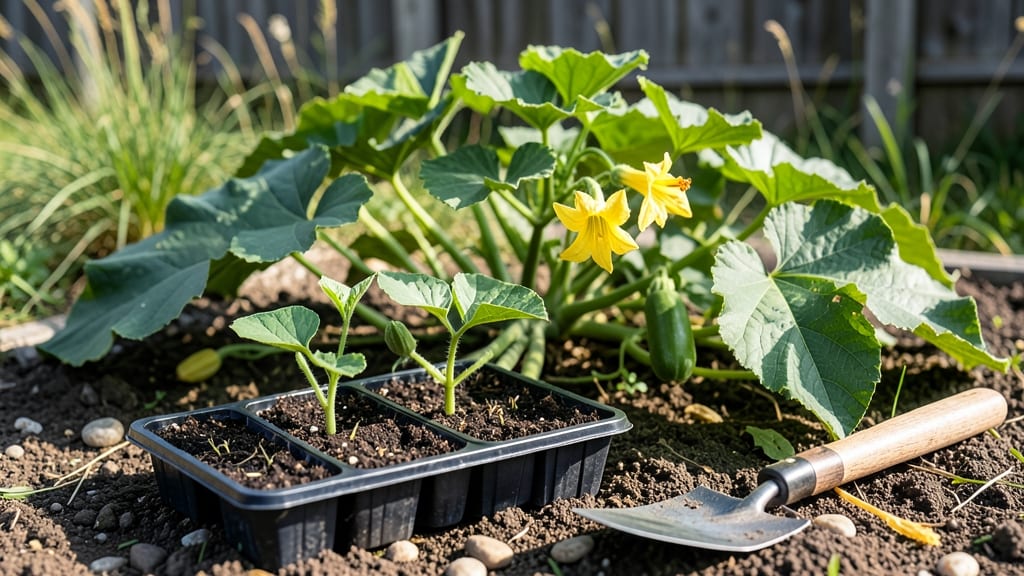
Planting squash in Texas at the right time means the difference between a bountiful harvest and bitter, bolted vines before summer even hits.
Texas gardeners know squash thrives in heat—but planting too early or late can trigger bolting faster than a summer storm. Timing is everything, and these science-backed strategies will keep your vines producing sweet, tender fruit all season.
Most Texas gardeners should start squash seeds after the last frost, typically in late March for North Texas or early February in South Texas. But heat-tolerant varieties like 'Straightneck' or 'Cocozelle' can handle summer planting too, if you use the right tricks.
Below, I’ll break down the best planting windows by region, heat-resistant varieties that perform in Texas summers, and pro tips to delay bolting when the thermometer climbs. Ready to grow squash that lasts?
Texas squash planting calendar: best months by region to avoid bolting
Texas gardeners face unique challenges when growing squash—balancing scorching summers with unpredictable late springs. Planting at the wrong time leads to bitter fruit or premature bolting, so knowing your USDA zone and last frost dates is critical.
North Texas (Dallas/Fort Worth) has cooler springs, while South Texas (Houston/Corpus Christi) can hit 90°F+ soil temps by April. Let's break down the perfect planting windows for both summer and winter squash varieties.
Your first step is checking soil temperature, not just air temperature. Squash seeds won't germinate well below 60°F, and ideal soil temps range from 70-90°F.
In Central Texas (Austin/San Antonio), this often means waiting until mid-April for summer varieties, while winter squash like butternut can handle cooler 50-60°F soils when planted in late summer. Use a soil thermometer to avoid guesswork—cold soil delays germination and invites rot.
Here's your region-specific planting calendar with heat tolerance thresholds and last-frost adjustments:
| Region | Last Frost Date | Summer Squash Window | Winter Squash Window | Soil Temp Threshold | Heat Tolerance Tip |
|---|---|---|---|---|---|
| North TX (Dallas/Fort Worth) | Mar 15 | Apr 15 - May 15 | Aug 1 - Sep 15 | 60°F+ | Use black plastic mulch to warm soil faster |
| Central TX (Austin/San Antonio) | Feb 15 | Mar 15 - Apr 30 | Jul 15 - Aug 30 | 65°F+ | Plant 'Straightneck' varieties—they handle 95°F+ |
| South TX (Houston/Corpus Christi) | Jan 15 | Feb 15 - Mar 30 | Jun 1 - Jul 15 | 70°F+ | Use shade cloth (30%) to prevent bolting in peak heat |
For summer squash like zucchini or yellow crookneck, aim to harvest before August's heat peaks. In North Texas, this means starting seeds indoors by March 1 and transplanting after April 15.
Central Texas gardeners can direct-sow March 15-April 1, while South Texas should sow February 15-March 1 to avoid 100°F+ soil stress. Always space plants 3-4 feet apart—crowding accelerates bolting.
Winter squash varieties like butternut or acorn have longer growing seasons and can handle cooler soils. Plant these 60-90 days before first frost—typically late summer in North Texas (August 1) and early summer in South Texas (June 1).
These varieties store well, so timing harvests to October-November ensures winter pantry staples. Use row covers in fall to extend harvests past first frost.
One common mistake is planting squash too early in hopes of an early harvest. Cold soil slows germination, and seedlings become weak and leggy, making them vulnerable to cucumber beetles. Instead, wait for consistent 70°F+ soil temps—use a soil thermometer for accuracy.
If you're eager to start, try warm-season microgreens in early spring to fill the gap while waiting for ideal squash conditions.
Texas's extended growing season lets you try two plantings: one in early spring and another in late summer. For the second planting, choose heat-tolerant varieties like 'Cocozelle' or 'Sunburst' and use drip irrigation to keep roots cool.
Avoid overhead watering—wet foliage invites powdery mildew, which thrives in Texas humidity. Mulch with straw or grass clippings to retain moisture and regulate soil temperature.
Heat-resistant squash varieties that thrive in Texas summer planting
Texas summers can push temperatures past 90°F+, making most squash varieties wilt or bolt prematurely. But these heat-tolerant varieties are bred to handle our relentless sun and stay productive. I’ve grown them in 100°F+ heat, and they consistently deliver sweet, tender fruit when others fail.
Choosing the right variety isn’t just about heat tolerance—it’s also about maturity rates and disease resistance. In my Central Texas garden, Straightneck and Cocozelle outperform others because they mature quickly (50-60 days) and resist powdery mildew, a common summer plague.
Here’s how these top 5 varieties stack up in extreme heat, including their ideal planting windows and care secrets:
Straightneck is my top pick for Texas summer planting because it matures in just 50-55 days, giving it time to produce before the worst heat hits. Plant seeds directly in the garden when soil temps reach 70°F+ (usually late April to early May in most regions).
For Cocozelle, I recommend transplanting seedlings after May 15 to avoid early bolting. These Italian heirlooms thrive in 90°F+ but need consistent moisture—I water deeply every other day and mulch heavily to retain soil moisture. Their dark green skin also helps reflect excess heat.
If you’re planting in South Texas, where heat arrives earlier, opt for Butterbush or Caserta. Both handle 100°F+ better than standard zucchini and produce prolonged harvests. Just be sure to prune aggressively to encourage bushier growth and prevent overcrowding.
Pro tip: Avoid planting winter squash varieties like butternut in summer—they need longer growing seasons and struggle with Texas heat. Stick to summer squash for June-August harvests, then transition to winter types in late summer for fall production.