
Plants
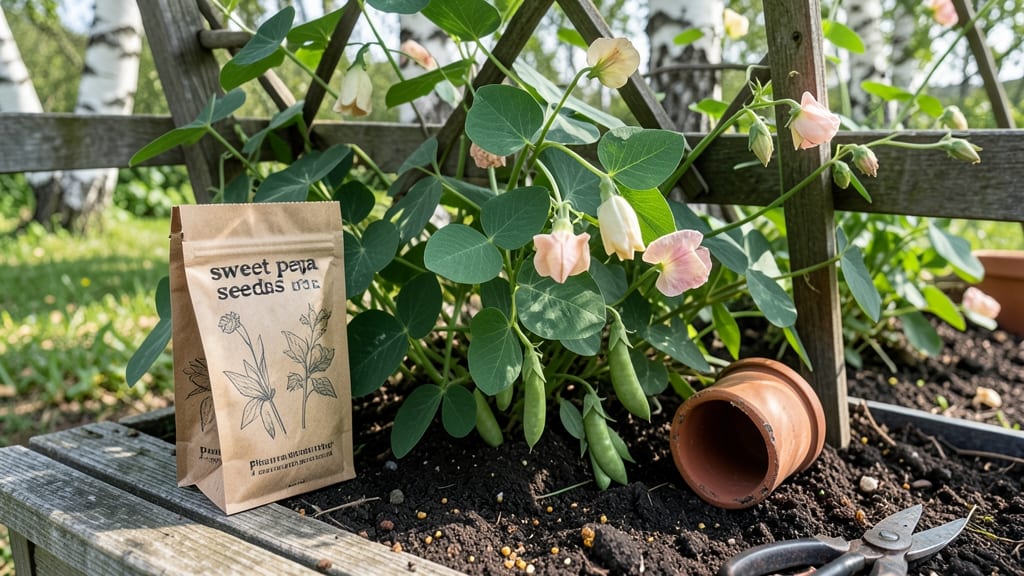
Plant sweet peas in Oregon between February and March for spring blooms or August to September for fall color, timing that turns your garden into a fragrant, climbing paradise.
But here’s the catch: Oregon’s microclimates—from the coastal fog to the high desert’s crisp air—mean a two-week difference can spell the difference between thriving vines and wilted dreams.
Whether you’re in the Willamette Valley or the Pacific Northwest’s chilly edges, getting the timing right is the key to those 🌸-filled trellises you’ve been dreaming of.
Sweet peas love cool weather, but they hate late frosts and summer heat. In zones 7b-9a, the ideal window starts when soil hits 50°F—a rule that changes depending on whether you’re planting in Portland’s urban heat islands or the cooler high desert.
Miss the mark, and you risk stunted growth or flowers that fade before they even open.
Below, I’ll break down the exact planting schedule for Oregon’s three key regions, plus pro tips for soil prep, avoiding common pitfalls, and how to stretch your blooms from spring to fall. No more guesswork—just longer, happier sweet peas.
Oregon’s sweet pea planting zones: when to start seeds by region
Oregon’s diverse climate means your sweet pea planting schedule should match your region’s unique frost patterns and soil temperatures. The Coastal zone stays cooler longer, while the High Desert warms up faster—even within the same month. Understanding these differences ensures your sweet peas thrive from February through September.
For Willamette Valley gardeners, the sweet spot is late February to early March for direct sowing, when soil hits 50°F (10°C). Coastal areas can start slightly earlier (January), while High Desert zones may wait until March to avoid late frosts.
Urban gardens often face microclimates—like heat islands—that shift these timelines by 1-2 weeks.
Here’s how to align your planting with Oregon’s three key zones, including extended-season options for longer blooms:
| Zone | Traditional Planting Window | Extended-Season Window | Soil Temp Threshold | Key Microclimate Note |
|---|---|---|---|---|
| Coastal | Jan 15 – Feb 15 | Aug 1 – Sep 15 | 45–50°F (7–10°C) | Humidity delays warming; use row covers for late starts |
| Willamette Valley | Feb 15 – Mar 15 | Aug 15 – Sep 30 | 50–55°F (10–13°C) | Urban heat islands may push back frost dates by 1 week |
| High Desert | Mar 1 – Apr 1 | Sep 1 – Oct 1 | 55–60°F (13–16°C) | Dry soils warm faster; water deeply after planting |
In the Coastal zone, January planting is ideal because the ocean’s chill keeps soils cool. Use row covers if nights dip below 40°F (4°C)—sweet peas tolerate light frost but not prolonged cold.
For the Willamette Valley, aim for late February to sidestep March’s unpredictable late frosts, which can damage tender seedlings.
High Desert gardeners should wait until March to avoid April’s rapid temperature swings. Here, dry soil warms faster than moist soil, so water your beds 24 hours before planting to stabilize temperatures.
Urban gardens in Portland or Eugene often experience microclimates—plant near south-facing walls to extend your growing season by 2 weeks.
For extended-season blooms, try a fall planting in August. Coastal areas can sow until September 15, while the High Desert should finish by September 1 to avoid early frosts. Mulch heavily with straw to insulate roots—this trick adds 3-4 weeks to your bloom time.
Pro tip: Test your soil temperature with a soil thermometer before planting. Sweet peas won’t germinate below 45°F (7°C), even if the air feels warm. Coastal gardeners often see 5–10°F differences between air and soil temps—don’t guess!
Adjust for elevation too. Gardens above 2,000 feet (e.g., Bend or Sunriver) may need to delay planting by 1 week per 1,000 feet gained. Use black plastic mulch to warm soil faster in these areas.
Remember: Sweet peas are cool-season stars, but they hate heat. Once temps hit 80°F (27°C), blooms fade fast. Plan your fall planting to finish flowering before July’s heat arrives—aim for May blooms from August sown seeds.
🌸
How to extend sweet pea blooms: soil prep and succession planting tips
Sweet peas thrive in Oregon’s cool climate, but their blooms can fade quickly if you don’t prepare the soil and plant strategically. The key to long-lasting flowers lies in amending acidic volcanic soils and using succession planting to keep your garden in bloom from spring to fall.
I’ve learned that sweet peas need well-draining, nutrient-rich soil to support their vigorous growth and continuous flowering.
Oregon’s USDA zones 7b-9a and volcanic soil create unique challenges—like low organic matter and acidic pH levels—that can stunt sweet pea growth if ignored. By adjusting the soil and staggering plantings, you can enjoy non-stop blooms for months.
Let’s dive into the soil prep secrets and planting schedules that work best in your region.
Sweet Pea Soil Prep & Planting Checklist
- 1. Test soil pH—aim for 6.0-7.0 by adding lime if needed.
- 2. Mix in compost—at least 3 inches deep to improve drainage.
- 3. Plant in partial shade—especially in high desert areas to prevent heat stress.
- 4. Sow seeds every 2 weeks from February to September for continuous blooms.
- 5. Use trellises early—sweet peas need support within 4-6 weeks of sprouting.
For Oregon’s volcanic soils, I recommend adding aged compost or well-rotted manure to improve fertility. Sweet peas are hungry feeders, so a balanced fertilizer (5-10-10) at planting and again in early spring will give them the boost they need.
If your soil is too acidic, a light application of garden lime will help sweet peas thrive without stunting their growth.
Companion planting is another trick I’ve used to extend blooms and deter pests. Pair sweet peas with marigolds or nasturtiums to repel aphids, their biggest enemy. These companions also attract pollinators like bees, ensuring your sweet peas produce more flowers.
Avoid planting them near onions or garlic, as these can inhibit their growth.
Succession planting is the secret weapon for non-stop color. Instead of planting all your seeds at once, sow a new batch every 2 weeks from late winter through early fall.
This ensures continuous blooms from spring until the first frost. In coastal Oregon, you can even plant a fall crop in August for late-season flowers before winter sets in.
Don’t forget to deadhead spent blooms regularly—this encourages more flowers and keeps your sweet peas looking their best. Mulch around the base with straw or wood chips to retain moisture and suppress weeds.
With these soil prep and planting tips, your sweet peas will reward you with months of vibrant blooms instead of just a few weeks.
🌸