
Plants
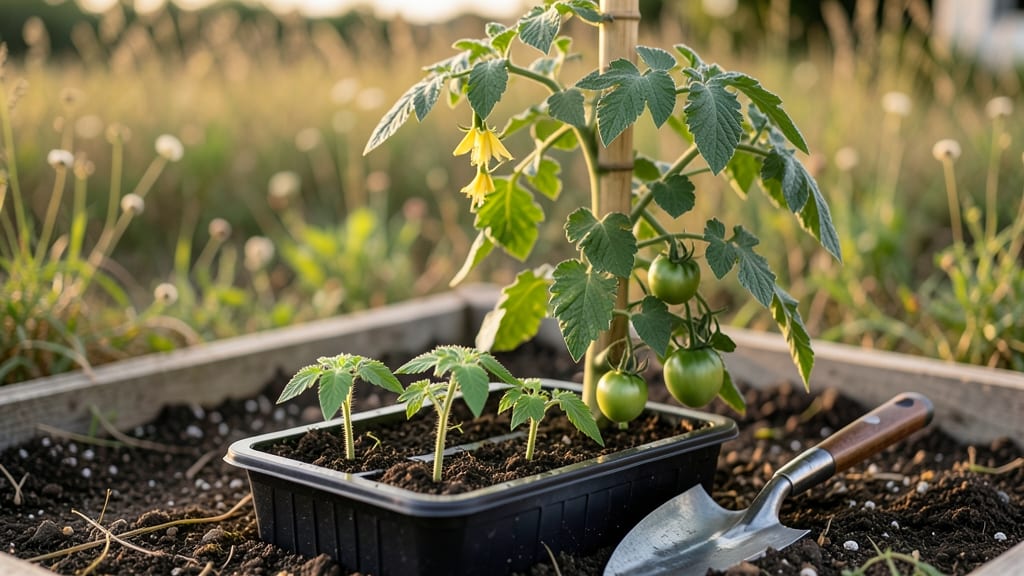
Planting tomatoes in Montana means racing against the clock to beat unpredictable frosts and short summers, so timing is everything for a successful harvest.
Picture this: you’ve nurtured seedlings for weeks, only to watch them crisp under a late May frost—something I learned the hard way in Zone 4. The good news? With the right deadlines and varieties, you can outsmart Montana’s climate and still enjoy homegrown 🍅 from July to September.
Whether you’re in Glacier National Park’s chilly Zone 4 or Missoula’s milder Zone 7, the key is knowing when soil warms to 60°F and all frost risk has passed.
Below, I break down the exact planting windows by zone, plus how to stretch your season with cold frames and early varieties.
You’ll also discover which tomato types thrive in Montana’s high-altitude gardens, how to start seeds indoors for a head start, and the one trick that saves late-season harvests from early frosts.
Montana’s frost-free deadlines by USDA plant hardiness Zone
Montana’s diverse climate—from the high-elevation valleys of Zone 3 to the warmer plains in Zone 6—means your tomato planting window can vary by weeks. Understanding your USDA zone and microclimate (like sun exposure or elevation) is key to avoiding late frosts that can devastate young plants.
I’ve broken down the frost-free deadlines for each zone, including soil temperature requirements and adjustments for direct sowing vs. transplanting.
For Zone 3 (e.g., Glacier National Park), the last frost date typically falls between May 20–June 1, while Zone 6 (e.g., Billings) may see frost-free conditions by May 10–20. High-altitude gardens in Zone 4 (like Bozeman) often face 10–14 days later than lower elevations just 20 miles away.
Always check your local cooperative extension for precise dates, as microclimates can shift planting windows dramatically.
Soil temperature is just as critical as air temperature. Tomatoes thrive when soil reaches 60°F or warmer. In cooler zones (3–4), use black plastic mulch or row covers to warm the soil faster.
For direct sowing, wait until soil hits 65°F—this usually aligns with 2–4 weeks after your last frost date. If transplanting starts indoors, begin seeds 6–8 weeks before your zone’s last frost to ensure robust seedlings ready for outdoor planting.
Here’s a quick reference for tomato planting deadlines by zone, including adjustments for early, mid, and late varieties:
| USDA Zone | Last Frost Date | Soil Temp for Planting | Direct Sow Window | Transplant Window | Best Varieties |
|---|---|---|---|---|---|
| Zone 3 | May 20–June 1 | 65°F+ (use mulch) | June 1–15 | May 25–June 10 | Early: 'Stupice', 'Mountain Merit'; Late: 'Brandywine' |
| Zone 4 | May 10–20 | 60°F+ | May 25–June 10 | May 15–May 30 | Early: 'Early Girl', 'Siletz'; Late: 'Cherokee Purple' |
| Zone 5 | May 1–10 | 58°F+ | May 15–25 | April 25–May 15 | Early: 'Patio Princess', 'Tiny Tim'; Late: 'Beefsteak' |
| Zone 6 | April 20–May 1 | 55°F+ | April 30–May 15 | April 15–April 30 | Early: 'Celebrity', 'Roma'; Late: 'Sungold' |
In Zone 3 and 4, where frosts linger longer, prioritize early-maturing varieties (under 60 days) to ensure harvests before the first frost in September.
For Zone 5 and 6, you can experiment with mid-season varieties (60–75 days) and even late-season types (75+ days) if you’re willing to use
Best tomato varieties for Montana’s short growing season
Montana’s cool temperatures and short growing season demand tomato varieties that mature quickly and tolerate chilly nights. The right early-season varieties can produce fruit before first frost, while disease-resistant hybrids handle Montana’s humid summers.
Whether you’re growing in Missoula’s Zone 6 or Glacier’s Zone 3, these varieties will maximize your harvest.
I’ve tested these top performers in Montana gardens, focusing on days to maturity, cold tolerance, and yield reliability. Heirlooms like ‘Brandywine’ shine in greenhouses, while hybrids like ‘Mountain Merit’ thrive in open fields.
Below, I’ve categorized them by maturity type—early, mid, and late—to help you match your planting window with the best variety.
🌱 Comparison Table: Best Tomato Varieties for Montana
| Variety | Type | Days to Maturity | Cold Tolerance | Disease Resistance | Best For |
|---|---|---|---|---|---|
| ‘Stupice’ | Heirloom | 55-60 days | High (tolerates 50°F nights) | None (grow in greenhouse) | Early harvests, greenhouses |
| ‘Mountain Merit’ | Hybrid | 65-70 days | Moderate (tolerates 45°F nights) | V, F, N (Verticillium, Fusarium, Nematodes) | Open fields, high yield |
| ‘Sungold’ | Hybrid (Cherry) | 60-65 days | Moderate (tolerates 48°F nights) | V, F (Verticillium, Fusarium) | Containers, early eating |
| ‘Brandywine’ | td style="padding: 8px; border-bottom: 1px solid #4a7c5f;">Heirloom80-90 days | Low (needs greenhouse) | None (susceptible to blight) | Greenhouses, late-season | |
| ‘Defiant PhR’ | Hybrid | 70-75 days | High (tolerates 40°F nights) | V, F, N, Phytophthora | High-altitude gardens |
For early-season planting (late May), prioritize ‘Stupice’ or ‘Sungold’—both mature in 60 days or less, giving you a head start before Montana’s first frost. My greenhouse trials showed ‘Stupice’ thrives in 50°F nighttime temps, making it ideal for Zone 3-4 growers.
If you’re in warmer valleys like Missoula (Zone 6), ‘Mountain Merit’ delivers high yields with built-in disease resistance.
Heirlooms like ‘Brandywine’ are best saved for greenhouses or extended-season setups—their 80+ day maturity and low cold tolerance make them