
Plants
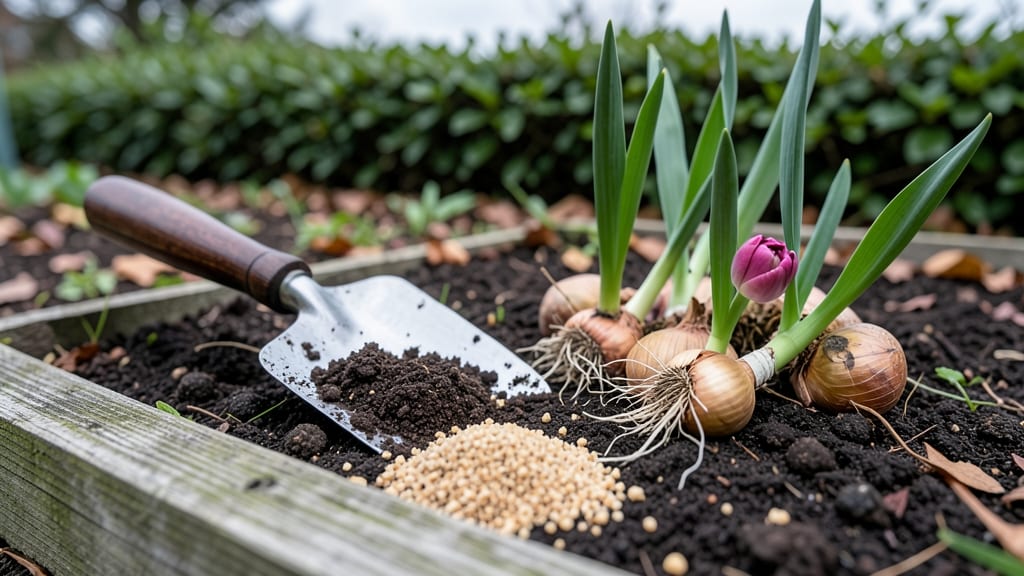
Planting tulip bulbs in Zone 8b during fall 🌷 ensures vibrant blooms next spring, but timing is the secret to success.
Picture this: you’ve just planted your tulips, only to watch them struggle through a mild winter or fail to bloom at all. That’s what happens when you miss the ideal window—October through early November—when soil temps are just right for root growth.
In Zone 8b, where winters are warm but not too harsh, getting this timing wrong can mean weak stems or no flowers.
Zone 8b’s unique climate (think Southern California or parts of Texas) means you don’t have to rush like gardeners up north. But you still need to act before the ground freezes—even if it’s just a light chill.
The key is planting 6-8 weeks before the first frost, usually by mid-November, so bulbs establish roots without waking up too early.
In this guide, I’ll break down the exact fall window, soil prep tricks, and how to protect your tulips from Zone 8b’s quirks—like voles and heat stress.
By the end, you’ll know exactly when to dig, how deep to plant, and what to do afterward for tulips that burst into color every spring.
Ideal fall planting window for Zone 8b tulips: exact weeks and soil temps
Planting tulip bulbs in Zone 8b requires precision timing because the mild winters create unique challenges. Unlike colder zones, Zone 8b's 50-60°F soil temperatures must trigger bulb root growth before dormancy sets in. The 4-6 week window between early October and mid-November is critical for strong blooms next spring.
In Northern California (e.g., Sacramento, San Francisco Bay Area), first frosts typically arrive by mid-December, giving you until late November for planting. Meanwhile, Southern California (Los Angeles, San Diego) enjoys later frosts around January 15, extending your window until early December in coastal areas.
Soil temperature is the real game-changer. Tulip bulbs need 6-8 weeks of cool soil (below 60°F) to establish roots before winter. Use a soil thermometer to confirm temperatures—plant when they consistently read 50-60°F at 4-inch depth.
Planting too early (before September 15) risks bulb rot from warm soil, while waiting until December may leave roots underdeveloped for winter. Northern California gardeners should prioritize October planting, while Southern California can extend into early December in milder microclimates.
For coastal areas, watch for marine layer effects that keep soils cooler longer. Inland zones like San Bernardino may need earlier planting (by October 15) due to faster soil cooling. Always check your local USDA frost maps for precise deadlines.
Pro tip: Pre-chill bulbs if planting late. Store them in the fridge (35-40°F) for 4-6 weeks before planting to mimic natural cold stratification. This trick works wonders for Southern California gardeners extending their window into December.
After planting, mulch heavily (4-6 inches) with straw or wood chips to insulate bulbs and maintain consistent soil temps. This is especially critical in Zone 8b's variable microclimates, where afternoon warmth can spike soil temperatures unexpectedly.
Remember: Tulips need cold to bloom. Even in Zone 8b, bulbs must experience 4-6 weeks below 60°F for optimal flowering. If your winter stays too mild (above 60°F), consider late-season varieties like 'Darwin Hybrid' tulips, which tolerate warmer conditions better.
Timing your Zone 8b tulip planting correctly transforms weak, sporadic blooms into vibrant, reliable spring displays. With these soil temp guidelines and regional adjustments, you'll be rewarded with tulips that outshine any other zone—year after year.
Zone 8b tulip planting calendar: month-by-month guide with critical deadlines
Zone 8b's mild winters create unique challenges for tulip planting—get the timing wrong, and you'll miss out on those showstopping spring blooms. Unlike colder zones, our 6-8 week planting window shifts later, and coastal areas can plant weeks after inland regions.
Let's break down the exact months and critical deadlines to ensure your tulips thrive.
First, understand that soil temperature (not air temperature) drives tulip planting. Aim for 50-60°F soil—this typically occurs in late October to early November for most of Zone 8b. Coastal areas like San Diego may wait until November, while inland Los Angeles can start as early as mid-October.
Microclimates matter too—valleys freeze faster than hilltops.
Plant hardy varieties (like 'Darwin Hybrid') in cooler coastal microclimates (e.g., Santa Barbara). Soil temps drop faster here.
Ideal for Los Angeles, Riverside. Soil reaches 60°F by late October. Plant 6-8 weeks before first frost (typically mid-December).
Best for San Diego, Orange County. Wait until soil cools to 55-60°F. Avoid planting before October 20th—early planting risks rot in warm coastal soils.
Emergency planting for late bloomers. Soil should be below 60°F. Use dwarf varieties (e.g., 'Tiny Star')—they establish faster in cold soils.
NEVER plant after this date in Zone 8b. Bulbs need 6-8 weeks of cold to bloom. Late planting = no flowers next spring.
Pro tip: Use a soil thermometer to confirm temps—don't guess! Plant bulbs 6 inches deep and 4-6 inches apart for best results. In sandy soils (common in coastal areas), add compost to retain moisture and prevent early sprouting.
Watch for microclimate warnings: If you're in a frost pocket (like some desert foothills), plant 2 weeks earlier. Conversely, urban heat islands (e.g., downtown LA) may need a 2-week delay—soil stays warmer longer. Adjust based on your yard's specific conditions.
After planting, mulch heavily (4-6 inches) to insulate bulbs through winter. In Zone 8b, voles are a major threat—use hardware cloth cages if you've had issues. Water deeply once after planting, then let nature take over until spring rains return.
Remember: Zone 8b tulips need cold dormancy to bloom, but they hate summer heat stress. Planting at the right time ensures they'll survive our mild winters and reward you with bold spring color—without fading in the summer sun. Timing truly is everything!