
Plants
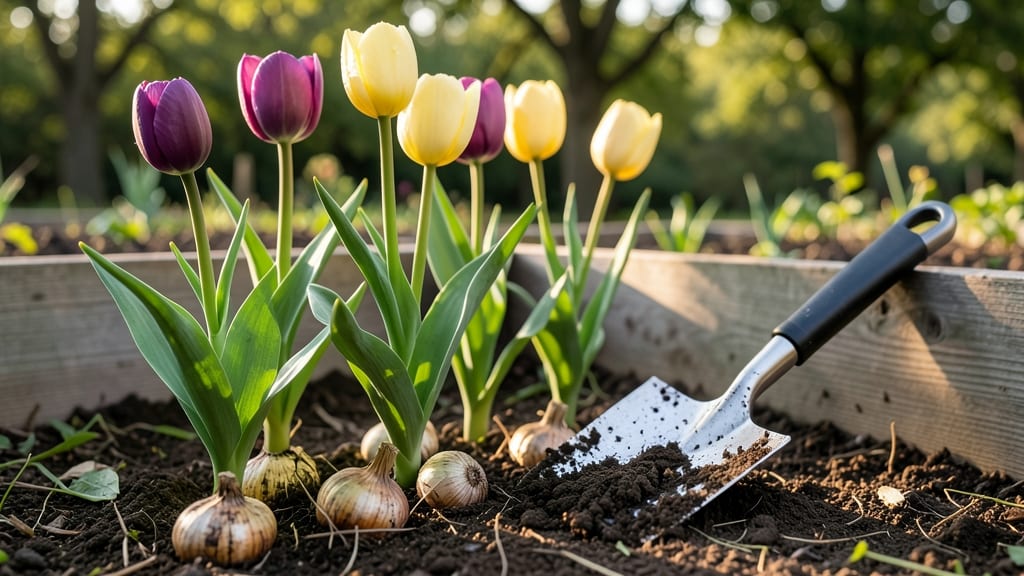
Planting tulips in Illinois during fall is your best shot at vibrant spring blooms 🌷 — aim for September through November to let the bulbs establish roots before winter.
If you want tulips bursting with color across your Illinois garden next spring, timing their fall planting is the secret weapon—miss it, and you’ll end up with weak blooms or no flowers at all.
Why does timing matter so much? Illinois’s USDA Zones 5-6 mean cold snaps can arrive early, and planting too late leaves bulbs vulnerable. But don’t stress—this guide breaks down the perfect window for your region, whether you’re in Chicago, Springfield, or St. Louis.
You’ll also learn how to prep your soil, avoid common mistakes, and keep those 🌷 tulips thriving until April. Let’s get those bulbs in the ground the right way!
Optimal fall planting windows for Illinois tulips by region
Timing your tulip bulb planting in Illinois' fall is all about catching that sweet spot between soil warmth and frost arrival. Plant too early, and roots won’t establish before winter. Too late, and bulbs won’t grow strong enough for spring blooms.
The key? 4-6 weeks before ground freeze—a window that shifts slightly depending on whether you're in Chicago's chill, Springfield's moderate, or St. Louis' milder climate.
Illinois spans USDA zones 5-6, meaning frost dates vary dramatically. Northern areas like Chicago (Zone 5) can see frost as early as late October, while southern areas like St. Louis (Zone 6) might hold off until mid-November.
Central Springfield (Zone 5b) falls right in the middle. Understanding these regional differences ensures your tulip bulbs get the perfect head start for vibrant spring displays.
Here’s the golden rule: Plant tulips when soil temps drop to below 60°F but haven’t yet frozen. This typically translates to late September through November, but exact dates depend on your Illinois region. Let’s break it down so you can pick the perfect planting window for your backyard.
For Chicago gardeners, aim to plant tulip bulbs between late September and early October. This gives roots enough time to establish before the ground freezes around mid-October. If you’re in Zone 5, don’t wait past October 15, or your bulbs may not survive the winter.
Pro tip: Check soil temps with a soil thermometer—ideal planting temps hover around 50-60°F.
In Springfield’s Zone 5b, you’ve got a bit more flexibility. Start planting as early as mid-September if your soil cools quickly, but don’t push past mid-November. The goal is to have bulbs rooted but dormant by frost.
If you’re unsure, err on the earlier side—tulips planted in September often produce stronger blooms the following spring.
Southern Illinois, including St. Louis (Zone 6), enjoys a longer planting window. Focus on October, with early November as the cutoff. The milder climate means bulbs can handle slightly later planting, but avoid December entirely—bulbs need cold stratification to bloom properly.
If you’re in this region, consider early October for dwarf tulips, which bloom sooner and may need a head start.
No matter your Illinois region, avoid planting tulip bulbs in August—they’ll sprout too early and get damaged by summer heat. Similarly, planting in December or later risks bulbs rotting before they establish.
Always check your local frost dates (like those from the Old Farmer’s Almanac) and adjust accordingly. A 4-6 week buffer before frost is your safest bet.
One final tip: If you’re unsure about your exact frost date, use the 10-week rule. Count back 10 weeks from your area’s average first frost date, and plant your tulip bulbs within that window.
For example, if frost hits October 20, aim to plant by early September. This method works surprisingly well across Illinois’ varied microclimates.
Remember, well-timed planting isn’t just about dates—it’s also about soil conditions. Aim for well-draining soil that’s cool but not frozen. If your soil stays warm late into fall, hold off until temps drop.
With the right timing, your Illinois tulips will reward you with bold, vibrant blooms that steal the show next spring.
Now that you’ve got your planting window locked in, the next step is soil prep. We’ll cover how to amend Illinois’ clay-heavy soil for tulip success in the next section—stay tuned!
How to prepare Illinois soil for tulip bulbs before planting
Illinois' clay-heavy soils can be a double-edged sword for tulips—retaining too much moisture while struggling to drain properly. Without proper prep, your tulip bulbs may rot before they even sprout.
The key is transforming that dense soil into a well-aerated, nutrient-rich growing medium that mimics the loose, sandy conditions tulips prefer.
Start by testing your soil's pH and drainage. Tulips thrive in neutral to slightly acidic soil (pH 6.0–7.0). If your Illinois soil tests higher or lower, amendments like sulfur or lime can adjust it.
For drainage, the fix is simple: mix in organic matter like compost or aged manure to break up the clay's compacted structure.
- 1 Test Soil pH: Use a soil test kit to check pH. Aim for 6.0–7.0. Adjust with lime (for acidic soil) or sulfur (for alkaline soil) 2–3 weeks before planting.
- 2 Improve Drainage: Dig in 3–4 inches of compost or well-rotted manure to loosen clay. For heavy clay, add coarse sand or perlite (1 part sand to 3 parts soil).
- 3 Add Bone Meal: Mix in 1–2 tablespoons of bone meal per bulb for a phosphorus boost, which encourages strong root and flower development.
- 4 Loosen Soil: Use a garden fork to aerate the soil 12–18 inches deep, breaking up compacted layers. This prevents waterlogging during Illinois' wet springs.
- 5 Mulch After Planting: Apply 2–3 inches of mulch (straw or shredded leaves) to insulate bulbs and retain moisture. Remove mulch in early spring to prevent rot.
Don’t overlook the importance of bulb spacing. In Illinois’ clay, plant tulips 4–6 inches apart and 6–8 inches deep to allow roots to spread without competing for nutrients. This spacing also improves air circulation, reducing the risk of fungal diseases common in humid Illinois springs.
For container gardening, use a lightweight potting mix with 20% perlite or vermiculite to ensure drainage. Add a slow-release bulb fertilizer to the mix before planting. Containers dry out faster than in-ground soil, so monitor moisture closely during Illinois’ hot, dry summers.
Finally, water deeply after planting to settle the soil around the bulbs. Avoid overwatering, as soggy soil can suffocate roots. Aim for 1 inch of water per week until frost, then reduce to monthly watering during dormancy.
With these steps, your Illinois soil will be ready to deliver vibrant tulip blooms next spring.